
Dr Neville Buch
Professional Historian and History Consultancy Services Brisbane
Contact | Newsletter | Blog | About
M.I.C.E.
Management Institute for Contributory Economy
Radical enough to shift the agenda, liberal enough to allow everyone a decent place in the social environment, and conservative enough to preserve the legacy of good value for Contributory Economy
Blog
-
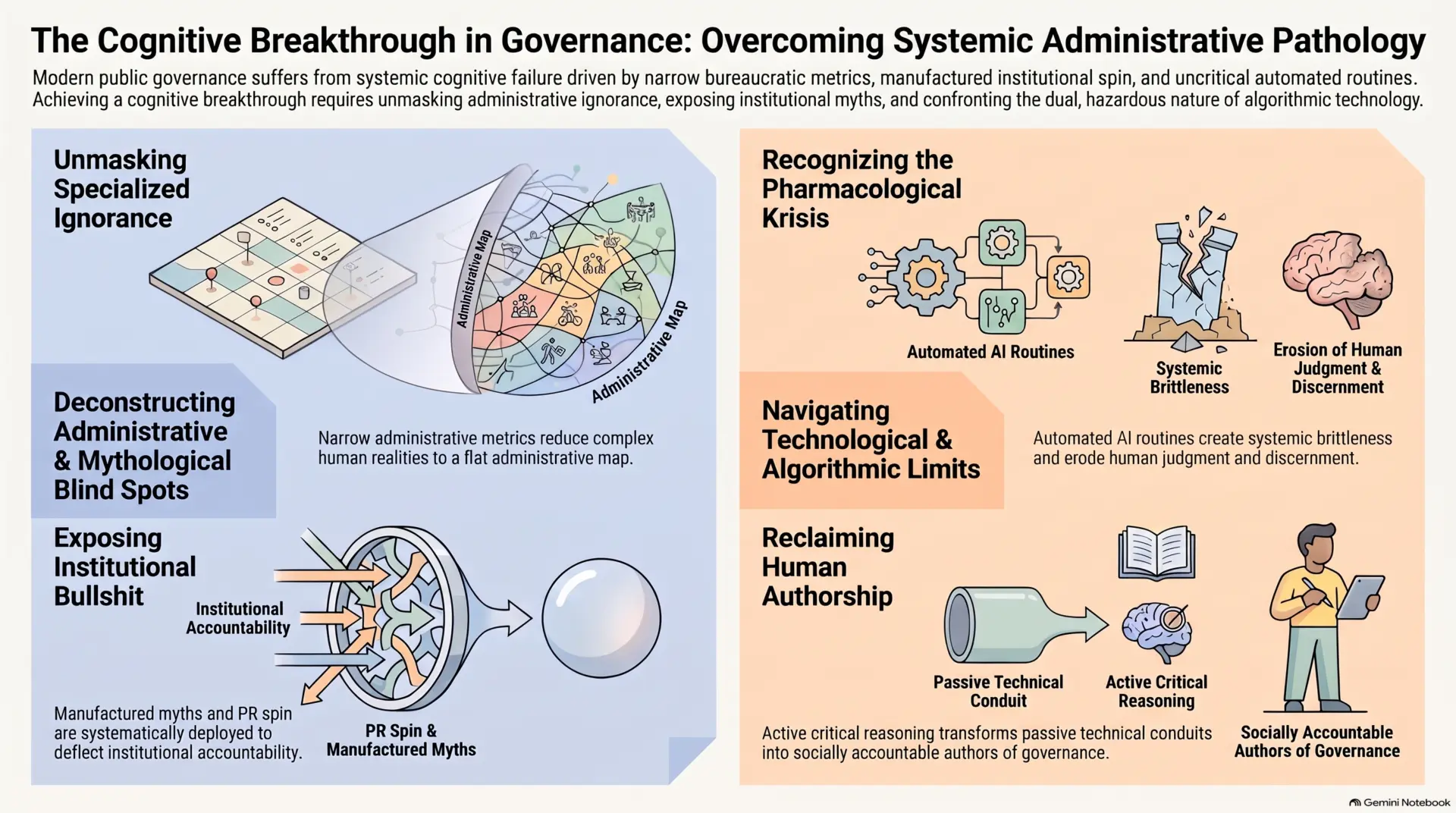
Dismantling Technocratic Apologetics
Featured Image:
-
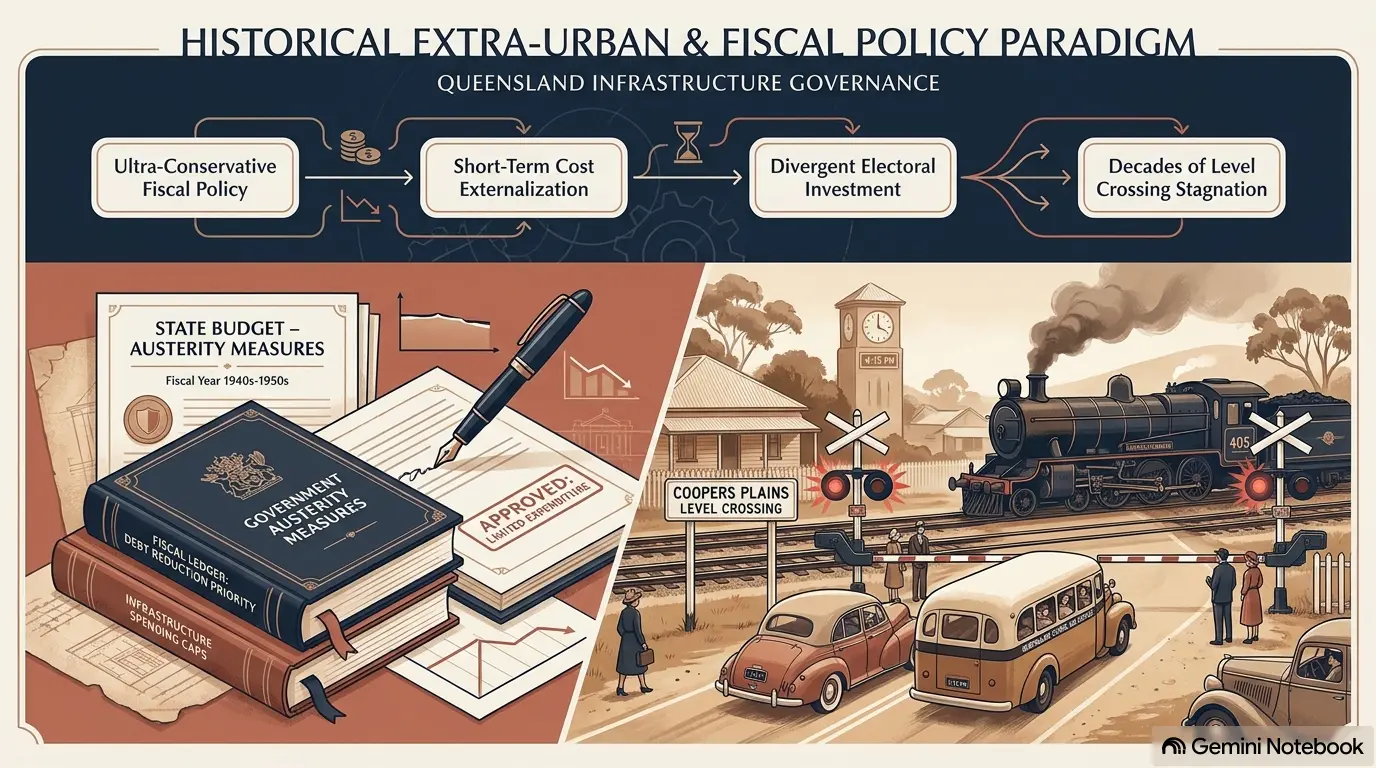
The Coopers Plains Railway Crossings Problem: Historical Inertia, Political Ideology, and the Critique of Infrastructure Governance
Dr Neville Buch and Coopers Plains History Group and MICE[1] Abstract This essay examines the multi-generational infrastructure failure known as the Coopers Plains railway crossings problem in southern Brisbane, Queensland. Originating nearly a century ago, the level crossing conflict represents a textbook case of urban planning inertia, institutional neglect, and ideologically driven governance. By synthesizing…
-

“Rise up and shine, for your light has come”
2 November 2026 Why keep this conversation, warning, or protest going? Since it is a truism that those who ignore the plea, and ignore history, will spiral, repeating Bernard Stiegler’s pattern of techné, ending with pharmakon as poison. So, we will ‘bang’ on “their” heads until “they” relent, admit their mistakes and ‘repent,’ or until…
-
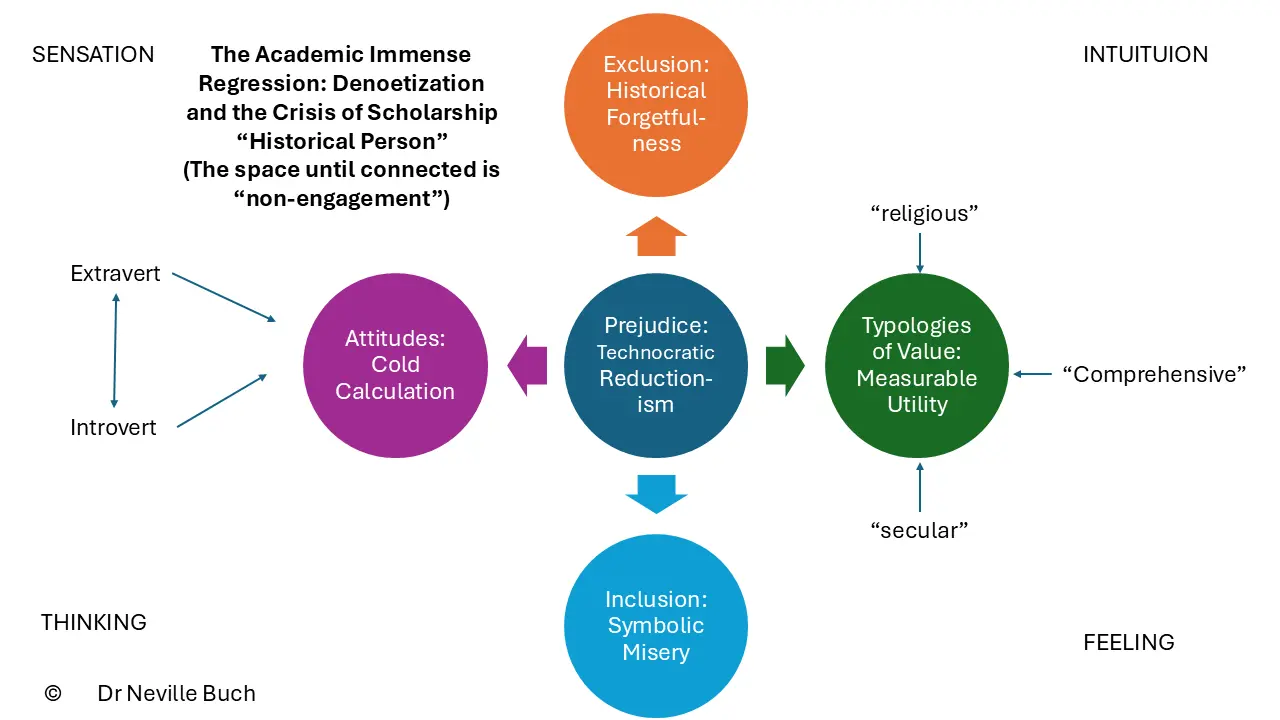
New International Scholarship (post-2007)
Featured Image:
-

The Lessons from Blade Runner
1 November 2026 Look at all these persons in the crowd, especially when compared to millennial history. What would they think of us in their historical context?
-

Why a Cannons Concert Brings Tears, Love, Music, and the Phenomenology of Human Flourishing?
Why a Cannons Concert Brings Tears: Love, Music, and the Phenomenology of Human Flourishing… Abstract This essay explores the profound psychological, aesthetic, and existential reasons why experiencing a live concert by the dream-pop band Cannons induces overwhelming tears. Integrating Josh Adler’s Conscious Systems Theory (CST) and quantum aesthetics, Martin Heidegger’s phenomenology of finitude, Ernest Becker’s…