
Dr Neville Buch
Abstract
Take a local area, any local area, and you will find the entire spectrum of human experience compressed into the history of its soil and streets. In the case of Coopers Plains, Brisbane, the landscape serves as a laboratory for the vices and virtues of humanity, moving from the brutal realities of a nineteenth-century convict outstation to the contemporary struggle for self-understanding and historical truthfulness. Doing local history is not merely a matter of chronicling dates; it is a philosophical practice that requires confronting the “uncomfortable history” of Indigenous dispossession and systemic brutality, while simultaneously recognizing the virtues of mateship, resilience, and intellectual curiosity. By utilizing “thick ethical concepts,” this essay examines how the local “we” of Coopers Plains has both succumbed to Historical Forgetfulness and strived toward a balanced and comprehensive worldview.
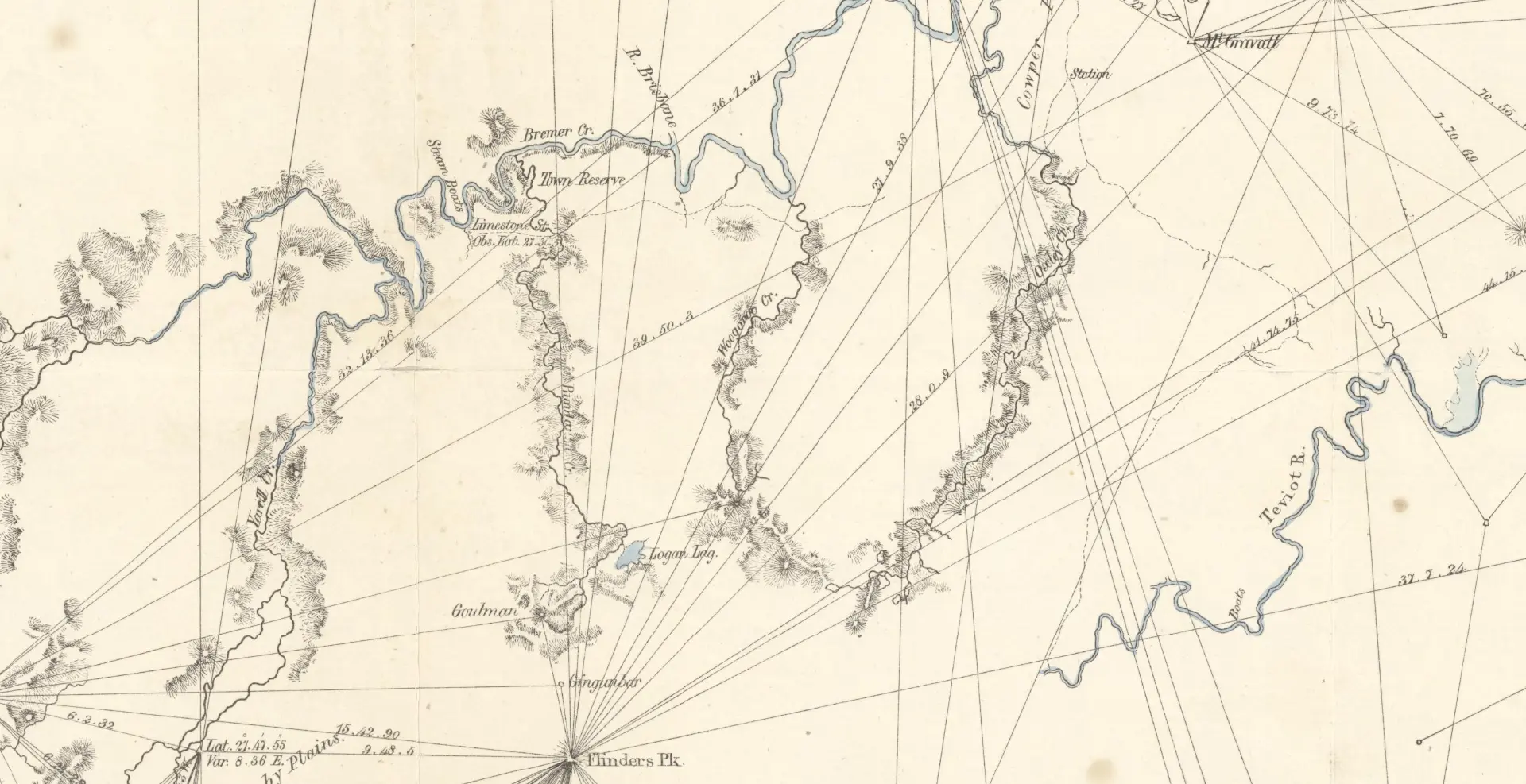
Figure 1. Coopers Plains: Dixon 1840 with Flinders Peak
Dynamic of Cognition Analysis: The Vices of Coopers Plains History
The vices associated with the history of Coopers Plains are characterized by the systematic erasure of uncomfortable facts and the perpetuation of exclusionary myths to legitimate colonial settlement.
| DoC Component | Phenomenon of Vice | Cognitive Mechanism / Conflict Mapping |
| Prejudice (The Cyclical Beginning) | Pioneer Legend / Triumphalism | The unexamined belief that European settlement was a purely peaceful “triumph” over a “barren” land. |
| Exclusion (The Block in Cognition) | Aboriginal Erasure / “Scum” Narratives | The active silencing of the 1840 massacres and the classification of Indigenous people as “sub-human pollutants”. |
| Inclusion (The Determination to Know) | Fragmented Folklore / “Scissors & Paste” | The reliance on disjointed urban myths and “convenient fictions” that avoid the structural depth of historical causation. |
| Attitude (The Drive toward Action) | Arrogance / Self-Deception | A “disquieting concern with oneself” that prioritizes the prestige of the settler at the expense of the truth of the dispossessed. |
| Typologies of Value (The End/Standard of Judgment) | Historical Forgetfulness | The ultimate failure to learn from the past, allowing the lessons of failure to be lost to successive generations. |
——————————————————————————–
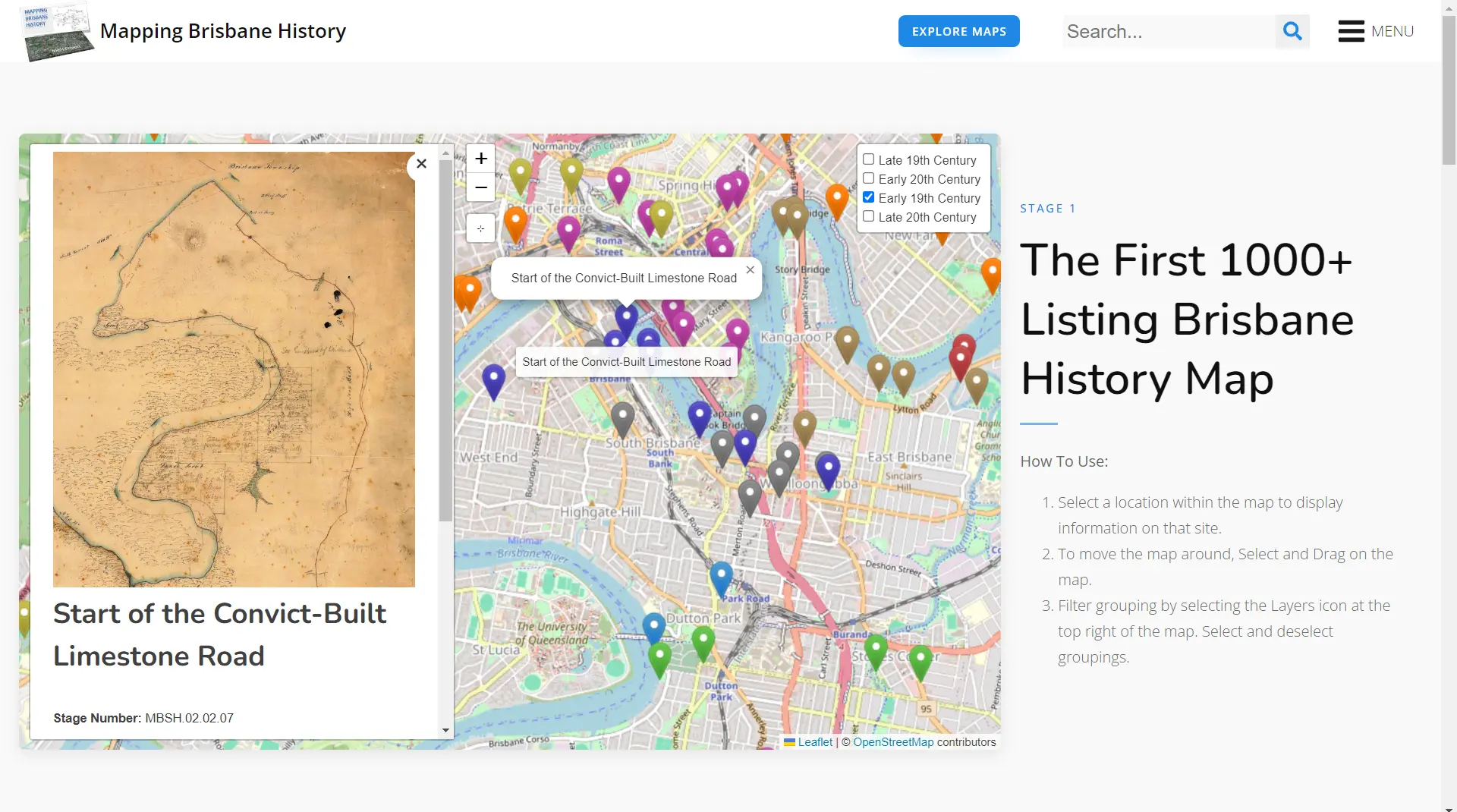
Figure 2. 02. MBH. Start of the Convict-Built Limestone Road
Dynamic of Cognition Analysis: The Virtues of Coopers Plains History
The virtues in this history are found in the resilience of the community and the modern mandate for truth-telling, which seeks to transform static history into a “site of conscience.”
| DoC Component | Phenomenon of Virtue | Cognitive Mechanism / Conflict Mapping |
| Prejudice (The Cyclical Beginning) | Moral Vulnerability / Sensitivity | The initial recognition that historical actors were “full-bodied agents” making choices within limited circumstances. |
| Exclusion (The Block in Cognition) | Temporary Suspension of Judgment | The willingness of local researchers to “suspend judgment” until the evidence of the “pukas” (gaps) can be explored. |
| Inclusion (The Determination to Know) | Thick Ethical Contextualization | The practice of grounding universal concepts of justice in the “concrete reality” of local sites like Musgrave Park. |
| Attitude (The Drive toward Action) | Intellectual Honesty / Mateship | The active disposition toward “honest communication” and a “ready capacity” for immediate affection among fellow citizens. |
| Typologies of Value (The End/Standard of Judgment) | Balanced Worldview / Flourishing | The attainment of a historically-grounded self-understanding that enables a more equitable and sustainable future. |
——————————————————————————–
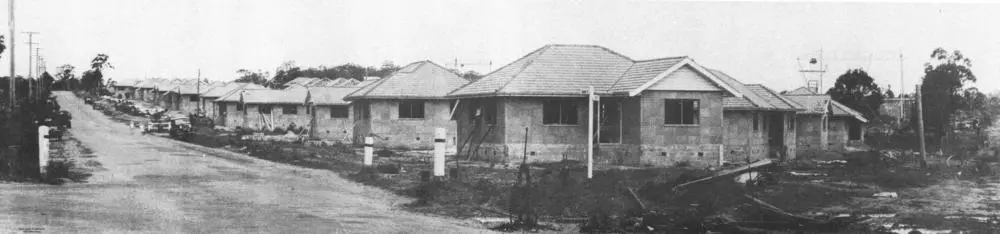
Figure 3. Queensland Housing Commission Homes at Coopers Plains, Queensland, 1952. SLQ
I. The Convict Origins: Brutality and the “Thin” Concept of Punishment
Actually, doing local history in Coopers Plains begins with its 1828 origin as an outstation for the Moreton Bay Penal Settlement. The area, initially named Cowper’s Plains after the Assistant Surgeon Dr. Henry Cowper, was a site of secondary punishment for convicts who had committed further crimes in Sydney.
The history of this era reveals the vice of brutality, a “thick” concept that describes both the factual conditions of the camp and the evaluative judgment of the regime. Historical research indicates the regime was significantly more brutal than in Sydney; convicts suffered in a “terrible state” with minimal nutrition and healthcare despite the abundance of local bush food. A central vice of the subsequent historiography was the transformation of these suffering men into the “heroic” workers who cleared the roads, a process that “sanitized” the trauma of the convict era. This reflects Bernard Williams’s observation that reflection—or in this case, a particular kind of mythmaking—can destroy knowledge by replacing unreflective truths with “convenient fictions”.
II. The Pioneer Myth and the Vice of Historical Forgetfulness
As the penal colony transitioned to free settlement in 1842, a new mythology emerged. The vice of Historical Forgetfulness became a structural necessity to legitimate the “wholesale theft” of the Australian continent. In Coopers Plains, this manifested as the systematic silencing of the Aboriginal Massacres of 1840 and the subsequent dispossession of the local clans.
The 1959 Centenary publication Triumph in the Tropics, edited by Raphael Cilento, epitomizes this vice. Critics have noted its “notorious” racialist triumphalism, where the “triumph” was not just over climate, but over Indigenous and Asian populations who were denigrated as “sub-human pollutants”. This form of history-making is a “scissors and paste” exercise that lacks critical objectivity and ignores the underlying political economy of the state’s growth. It represents a “failure of imagination” that treats the local as a tabula rasa for settler glory rather than a complex site of social conflict.
III. The Virtue of Mateship and the Resilience of Community
Despite these dark currents, the history of Coopers Plains also reveals the virtue of mateship, a distinctive Australian ethical disposition. Originally forged among bush workers as a “comforter to offset loneliness,” mateship became a “ready capacity” for immediate affection and mutual aid. This is a “thick concept” in action: the generous person does not act because they think “I am generous,” but because “he needs help” or “this will cheer him up”.
This virtue extended into the democratic impulses of the nineteenth century, where social discontent and the “inrush of diggers” led to a demand for substantial fairness and political rights ahead of much of the rest of the English-speaking world. In the local context of Coopers Plains, this community spirit was visible in the formation of Progress Associations and the establishment of churches and schools that provided the “refining influence” of social education. These efforts represent the virtue of agency—the capacity of individuals to “divert from the script” of historical determinism and build a shared lifeworld based on co-humanity.
IV. Conclusion: History as a Site of Conscience
Doing local history correctly requires the virtue of truth-telling. The Mapping Brisbane History Project (MBH) and the Coopers Plains History Group exemplify this by “digging through the layers” to reveal “uncomfortable history”. The virtue of the modern historian is circumspection: proportioning belief to the strength of evidence and recognizing that our ethical concepts are contingent historical phenomena.
By moving from the “prejudice of calculation” to a historically-grounded self-understanding, the community can overcome the “immense regression” of simplistic myths. The study of the “pukas” (holes/gaps) in the local record—where Indigenous voices or convict suffering were once missing—allows for reconciliation and the creation of a “Balanced and Comprehensive” worldview.
Analogy: Doing local history is like reading tree rings. If we look only at the broad outer layers, we see the recent growth and the smooth surface of the present. But to truly understand the life of the tree, we must drill into the core, where the scars of fire, drought, and “anomalous” missing rings reveal the true, often painful, story of its survival against the elements.
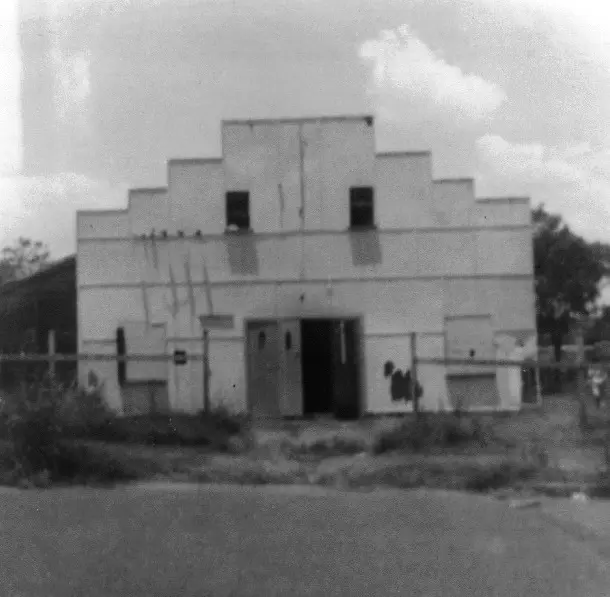
Figure 4. Coopers Plains Progress Hall
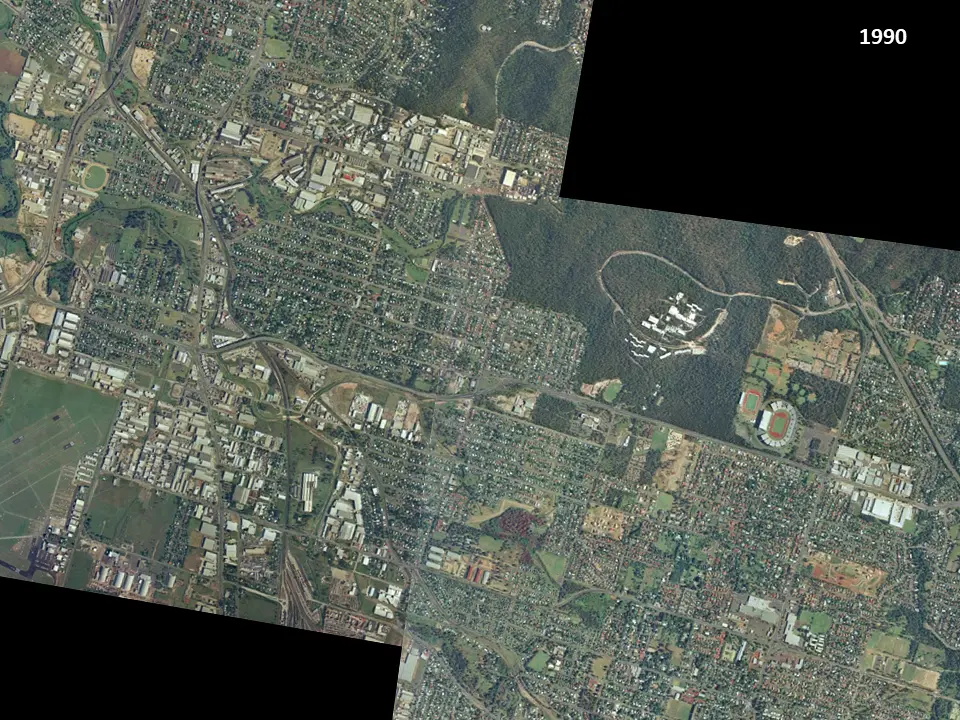
Featured Image: Coopers Plains District 1990


Neville Buch
Latest posts by Neville Buch (see all)
- Part 3:The Failure of an Educational Institution and How to Spiral Forward – October 10, 2026
- Part 2:The Failure of an Educational Institution and How to Spiral Forward – October 10, 2026
- Part 1:The Failure of an Educational Institution and How to Spiral Forward – October 10, 2026