
The Story of the 2026 Canberra Trip
22 June 2026
Dr Neville Buch
I am alive. That is what is the most extraordinary thing about a road trip. That you survived the road and the sojourn of the unfamiliar landscape. The feeling is of a solider returning home from war, although much less traumatic. Let me tell you a story.
There is a witness to this story, a passenger on the road trip. For privacy sake, I will keep details to a minimum. What is important to say is that the passenger had the sorrow to equate my own. Two lonely souls that remained separate in the shadow of death. The purpose was a road trip from Brisbane to Canberra, a stay, and then the return trip, with the aim of remaining alive. The pathway was a circle of life: New England, Hunter Valley, and the road due south to Canberra through the Bathurst Plains; and returning via Western Sydney and the coast road north. For most Australians who ignore the big country it was an ambitious journey. The trip and stays took four and half days with two of those days in Canberra.
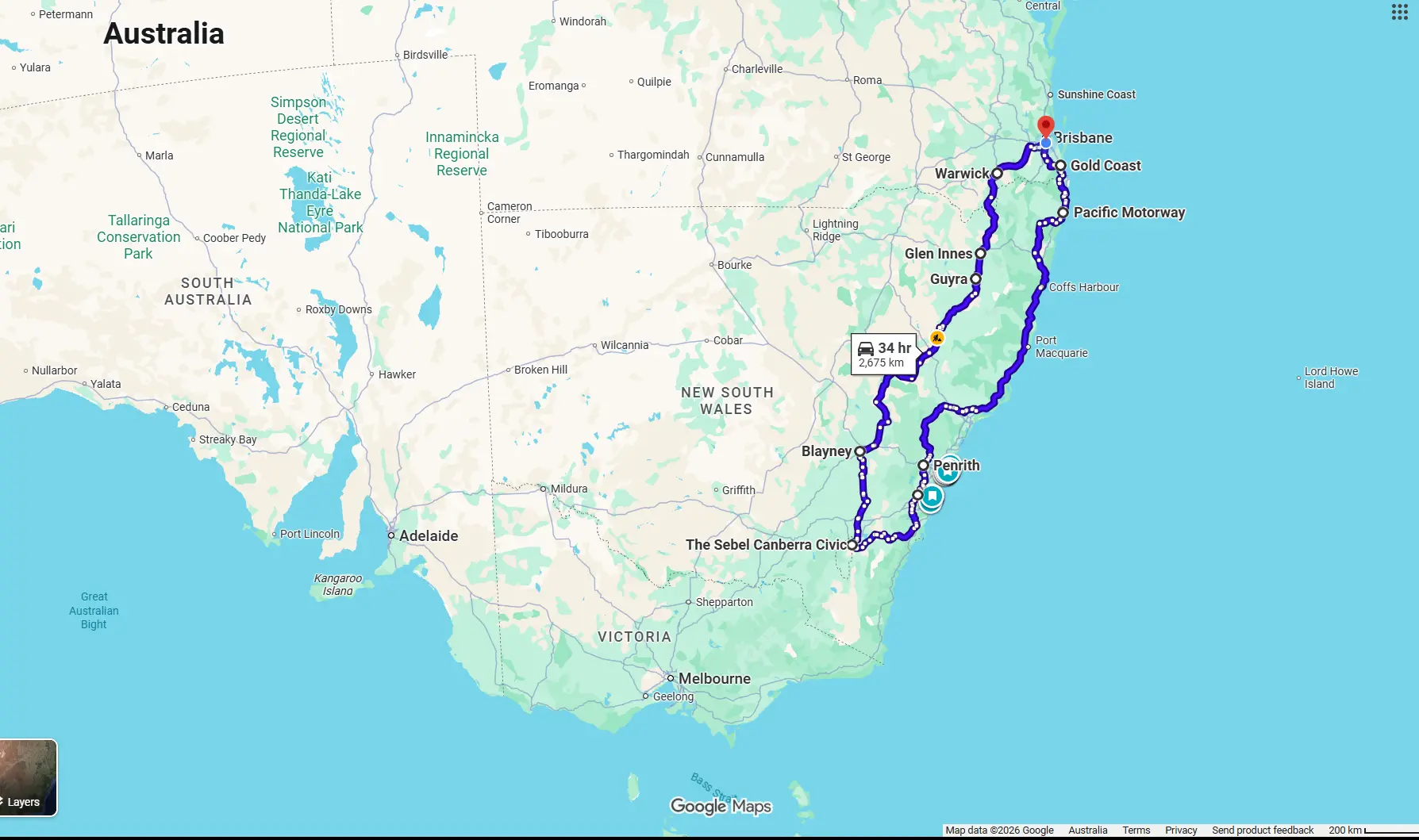
The beginning is our homes and places of work. And so, it was. What can one say about Brisbane, Queensland, Australia? Many things, but whatever it is, it is each in our existence and how that is interpreted. There is no direct reality. That is the fallacy or illusion of fools, of assholes who will never give the other a word in. Yes, I am looking for you straight into your eyes (if after a hard self-reflection, it is not you, then it is not you). Neither is there sophism; there is a common reality to which is communicated in the story. The story can be commonly understood. Brisbane is a common city with the same global problems and the same partial solutions found locally. Central to the understanding is the roads. I am a member of the Coopers Plains History Group, and Coopers Plains is the first indigenous and colonial crossroads, east-west, north-south. It is crossing paths with other persons and looking them in the eyes, that we (each) understand. Brisbane has always been a hard place for the bulk of the population: Aboriginal persons shot, Islanders (indentured) enslaved, convicts brutalised, sadistic authorities from the Governor down who don’t really care even as they speak of compassion, workers impoverished, the arrogant and stupid rich, and sets of different middle classes squeezed by an unintelligible economy.
These are perennial themes, but it is not that society does not know the many partial solutions that exist. And so, the journey begins. The road heads out to Glen Innes on the evening of Wednesday 17th 2026. In many ways the landscape is still colonial.
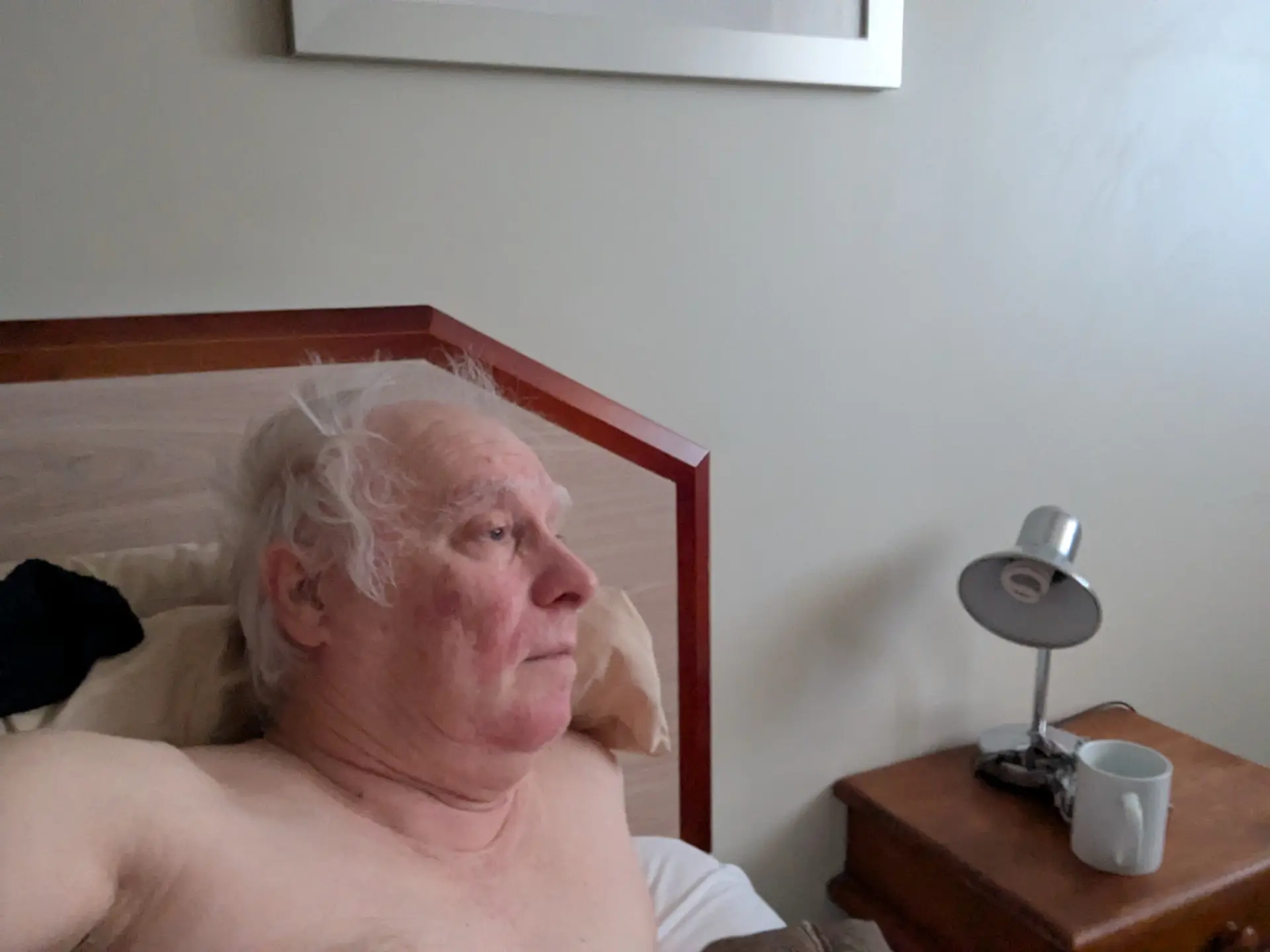
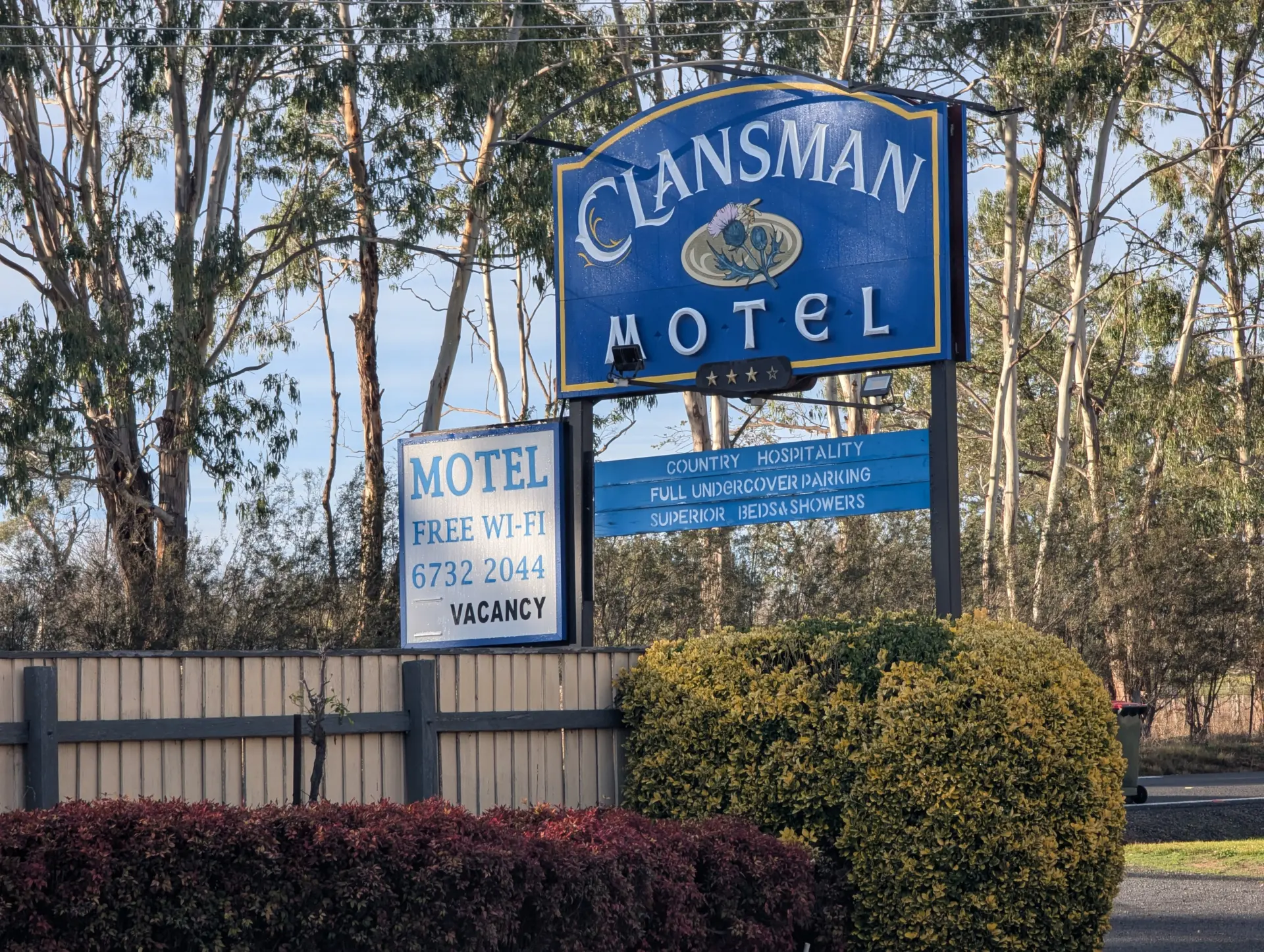
I woke up on what would have been Ruth’s and mine Wedding Anniversary (18 June 1988). It would have been 38 years but it was only 28 years of happiness. I woke up on the road. Is this the “Woke” you rail about; yes, you, dimwit? Images of the Samaritan on road. A wedding anniversary date, but no wife, and no life; not the life I lived 1988-2016. I woke for the road. It seems some of us are life travellers and others just float, ignorant and unaware of life – their own and the lives around them. The thing about travelling is not the destination but the stays as markers on a map. There is unfortunately tribal in placenames along the journey. Unfortunately, because of the damage done like the name, “The Myall Creek Massacre” which occurred on June 10, 1838, when 12 European colonists and assigned convicts brutally murdered at least 28 unarmed Wirrayaraay (Gamilaraay) Aboriginal people at Myall Creek Station in northern New South Wales. Every time I travel through the local government areas of Inverell Shire and the Gwydir Shire in New South Wales, Australia, I think of this historical event. We are clansmen but that is both a good and terrible thing.
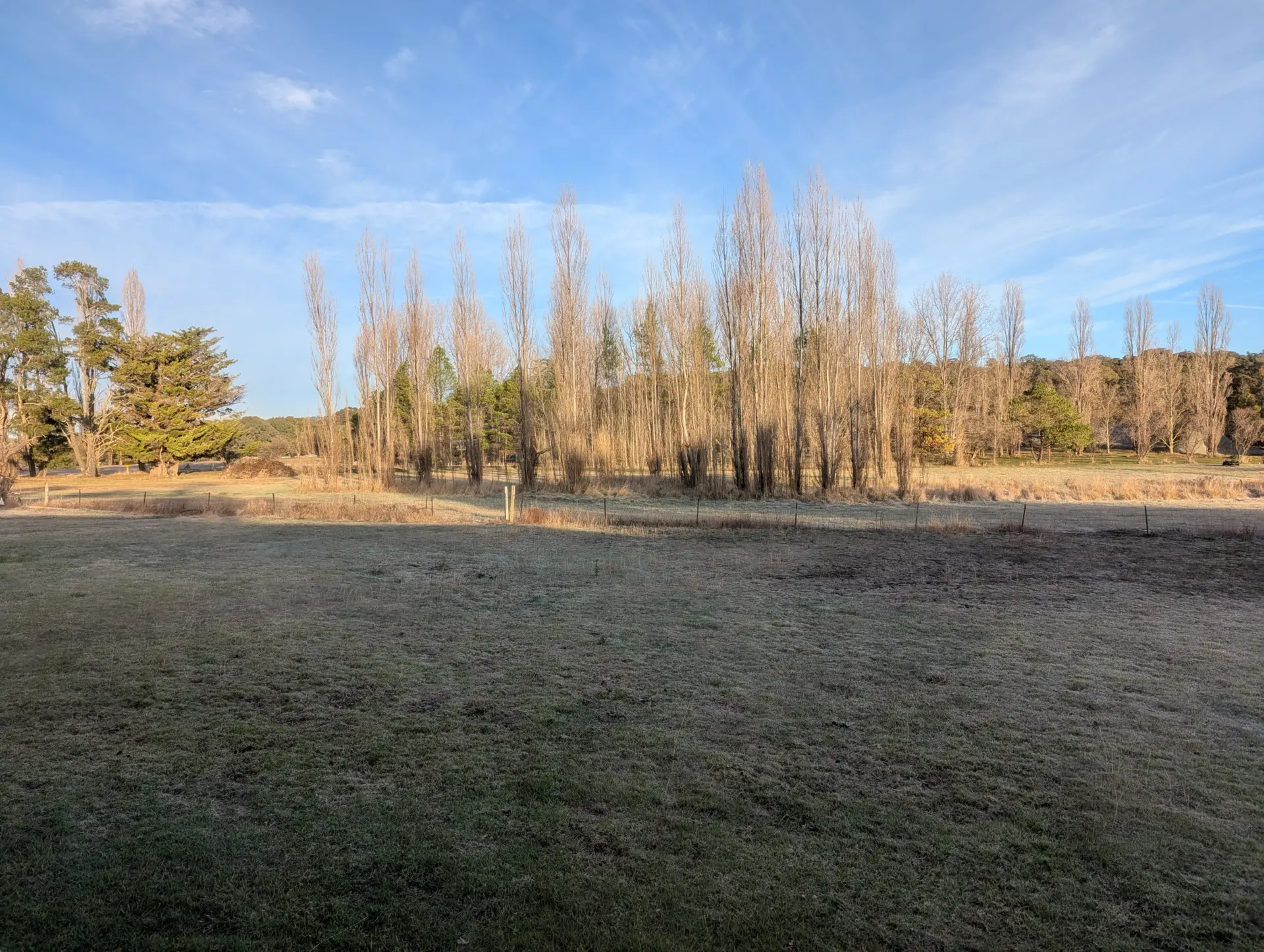
Above, on the range, New England is a geographical region in the north of the state of New South Wales, Australia, about 60 km (37 mi) inland from the Tasman Sea. The area includes the Northern Tablelands (or New England Tablelands) and the North West Slopes regions. As of 2021, New England had a population of 185,560, with over a quarter of the people living in the area of Tamworth Regional Council. In the highlands, the original languages of the Kamilaroi people (which are now extinct) included Anaiwan to the south of Guyra and Ngarbal to the north of Guyra. Language is the only way to understanding.
Guyra is located to one side of the Mother of Ducks Lagoon which is contained within the crater of an extinct volcano. The Mother of Ducks Lagoon Nature Reserve has been placed on the Register of the National Estate. The golf course, picnic areas and a walkway to a viewing platform are situated on the shores of the lagoon. Further down the road is the regional University City of Armidale, and then Uralla. With significant heritage characteristics, with more than 50 buildings and sites of heritage significance, Uralla speaks to Australia’s bushranger culture; that the bulk of the population are uncaring assholes who foolishly believe in their own bushranger mythology. Tamworth is Australia’s country music capital and one must respect that fact. However, its regional politics keeps turning Australia to the toilet.
You need to understand life’s journey through the landscapes. Understanding the landscapes of our lives requires a profound synthesis of our physical surroundings, our historical context, and the cognitive frameworks through which we interpret reality. Within the framework of the Management Institute for Contributory Economy (MICE), a “landscape” is not merely a static backdrop but a dynamic, human-authored construction that involves the interaction between individual experience and collective knowledge. On a literal level, we begin understanding our landscapes by recognizing our relationship to the immediate environment. There is a vital distinction between “space,” where one simply resides or works, and “place,” where an individual develops a sense of belonging and care. When a location becomes a “base,” the individual takes responsibility for it, transitioning from a passive resident to a proactive contributor.
This understanding extends to the natural world, which is often mistakenly viewed merely as a resource for extraction. True landscape awareness involves “bioregionalism,” a practice that connects us to a place through a deep understanding of its natural cycles, stories, and the “more-than-human” beings that inhabit it. By utilizing “dadirri” (deep listening), individuals can slow down to the pace of nature and gain clarity on their own life journeys. Beyond the physical, our lives are shaped by an intellectual landscape that is fundamentally interpersonal. Drawing on the philosophy of Jack McKinney, the MICE framework posits that the “common world-picture” we perceive as objective reality is actually a massive collaborative mural painted by humanity over millennia. Every concept we use and every landmark we recognize in our mental landscape was built by our ancestors. We do not directly perceive a “ready-made” world; instead, we subsume our private sensations under common symbolic systems and language, which act as a “living bridge” between individual experiences. Understanding this landscape requires us to move past “epistemological individualism” and recognize that knowledge is a shared cultural heritage.
A critical component of understanding our landscape is Deep Historical Awareness. MICE operates on the foundational axiom that “understanding history is philosophy in practice”. To truly understand the landscapes of our lives, we must truthfully examine our social and historical bearings to avoid “Historical Forgetfulness”—a systemic pathology where societies repeat errors because the origins of their core concepts have been lost.
Through Spiral Historiography, we view history not as a linear path of progress but as a cyclical “uncoiling” of repetitive patterns of failure and manufactured myths. By mapping local historical sites—such as those in the Mapping Brisbane History Project—we restore historical agency and identify the specific human decisions that shaped our urban and social environments. The ultimate goal of understanding these landscapes is to restore Human Authorship. In the modern era, many individuals are reduced to “puny human nodes” or passive conduits within automated technical and bureaucratic systems—a state known as “denoetization”. This “techné mindset” reduces the multi-textured reality of life to narrow metrics like “job readiness” or “transactional utility”. To counter this, MICE advocates for a “Synthesis of Being” that reintegrates five distinct intentions: self, Mind, Reason, Utility, and Love. Understanding the landscapes of our lives is a developmental ascent from a “Junior” state of unreflective habit toward a “Senior” state of social accountability and Sufficient Comprehension. By recognizing our historical contingency and embracing the interpersonal nature of knowledge, we can move beyond “symbolic misery” and become the intentional authors of our own shared social reality. Ultimately, this path leads to Aristotelian flourishing (eudaimonia), where the “who” (the human being) remains the master of the “what” (the systems they inhabit).
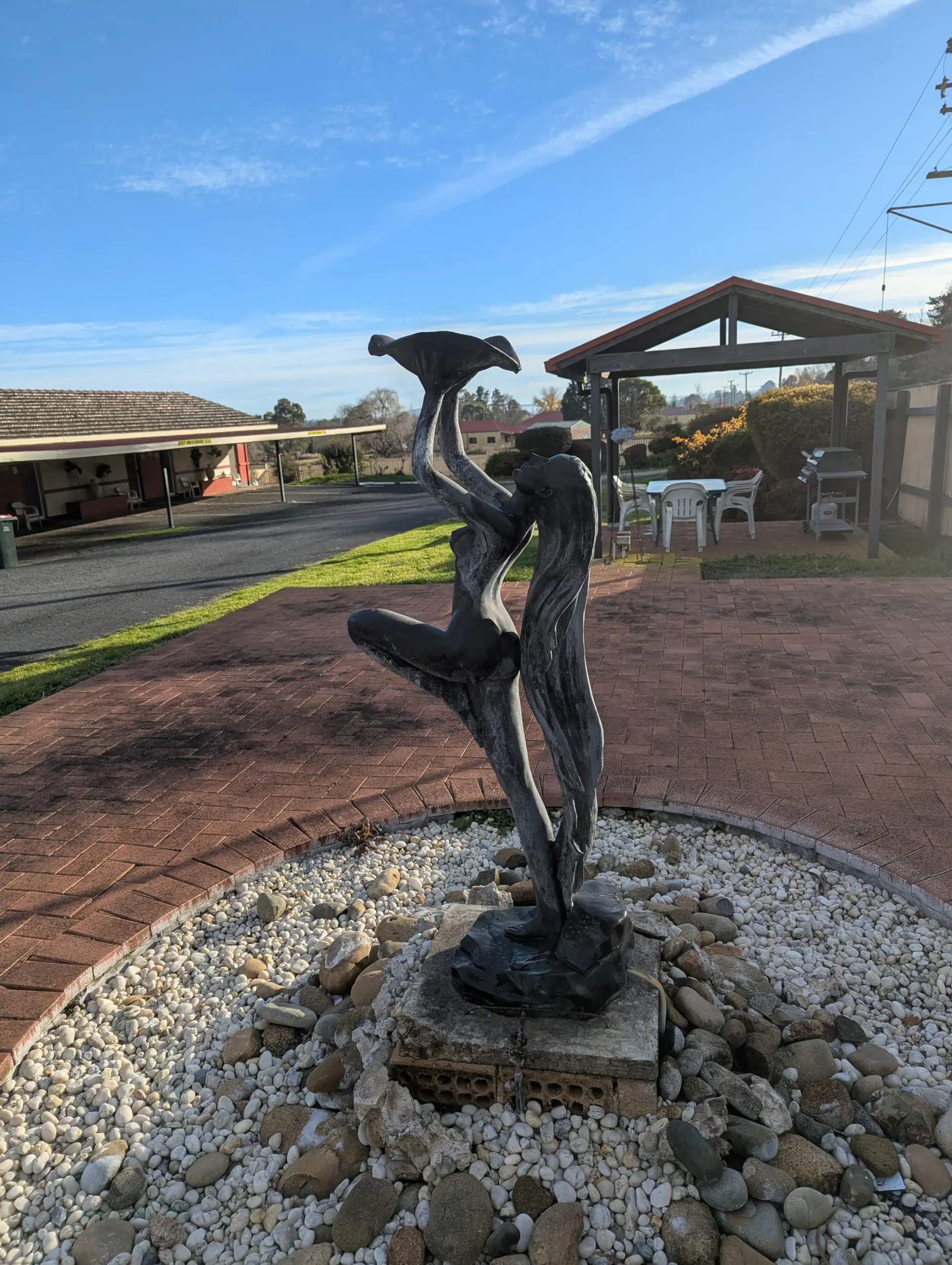
Having a male brain, I cannot comprehensively life as much as I would. Women are more than objects of pleasure but still to the male they cannot be helped to also be objects of pleasure. Understanding the womanhood of our both gendered lives requires a profound synthesis of individual experience, relational ethics, and a deep historical awareness of how gender has been institutionalized and perceived. Within the framework of the Management Institute for Contributory Economy (MICE), this understanding is not a pursuit of isolated identity but a movement toward a “Balanced and Comprehensive” philosophy that reconciles the “senseless division of hearts and minds”.
A central pillar in understanding gendered existence is the Ethics of Care, pioneered by Carol Gilligan and Nel Noddings. Gilligan’s work demonstrated that while traditional “masculine” morality often focuses on abstract principles of justice and rights, “feminine” perspectives frequently emphasize empathy, compassion, and the maintenance of relationships. Noddings extended this into a relational ethics that distinguishes between “natural caring” (acting because one wants to) and “ethical caring” (acting because one must, grounded in an ethical ideal). In the MICE framework, this is operationalized through the Fifth Intention: Love, reinvented as panser (thinking as caring). Understanding womanhood thus involves recognizing care not as a devalued “bureaucratic typology” or a “non-issue,” but as a fundamental human strength and a procedural necessity for tending to social fragmentation.
The partnership between poet Judith Wright and philosopher Jack McKinney serves as a primary historical model for the “both gendered life”. Their relationship was a fusion of the “philosophic mind and the literary mind,” where Wright transmuted McKinney’s abstract concepts regarding time and experience into mythic poetic vision. Through their “Original Synthesis of Experience,” they argued that reality is an interpersonal construction built through the “living bridge” of language. This synthesis breaks the myth of the unreflective individual, showing that “womanhood” and “manhood” are not static biological absolutes but are continually authored through collective participation in common knowledge.
A comprehensive understanding of gendered lives must also account for the structural forces that shape them. Drawing on Patricia Hill Collins, the MICE framework identifies gender as a domain of “Disciplinary Power”. Historically, religious and social institutions have used “controlling images” to make subjugated states appear natural or divine, necessitating a “reflective self-criticism”. Scholars like Elisabeth Schüssler Fiorenza have applied this critique to ancient texts, seeking to uncover a “community of equals” that existed before traditional patriarchal values reasserted themselves to marginalize women. Understanding womanhood involves a “restorative truth-telling” that identifies specific human agency behind these historical exclusions. Hannah Arendt’s concept of “natality”—the fact that human beings, by virtue of birth, possess the capacity to begin something new—is the ontological root of social action. Judith Wright’s poetry, particularly “Woman to Child” and “Woman to Man,” frames pregnancy and childbirth not as passive biological events but as acts of cosmological significance and metaphysical creation. By reclaiming female subjectivity and agency in these narratives, Wright rejects the domestic trivialization of womanhood. This transition from a “passive conduit” for biological drives to a proactive author of one’s own life narrative is the ultimate goal of the “humanistic ascent”. To understand the womanhood of our both gendered lives is to embrace the “Synthesis of Being”—reintegrating Self, Mind, Reason, Utility, and Love into a single coherent framework. It requires moving from a “Junior” state of unreflective habit toward a “Senior” state of social accountability, where both men and women recognize their historical contingency. Ultimately, this path leads to Aristotelian flourishing (eudaimonia), where success is measured by human dignity, wisdom, and the ability to maintain a community grounded in intersubjective mutuality.
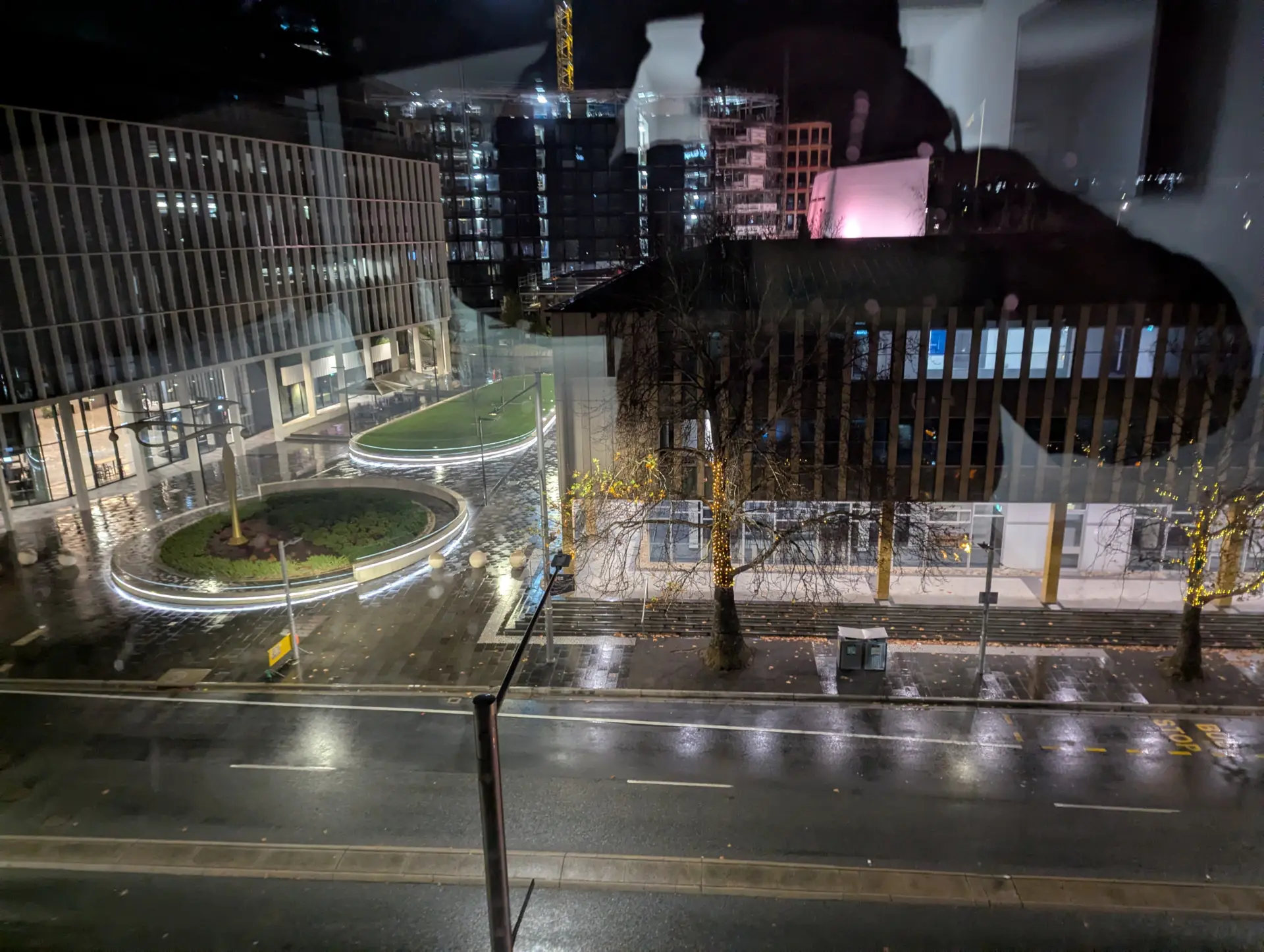
Places are often thought to be gendered. Mother England. In the framework of the Management Institute for Contributory Economy (MICE) and the Mapping Brisbane History (MBH) Project, a “sense of place” is defined as the cognitive and historical markers—including events, names, and environmental features—through which individuals interpret their reality. Utilizing the “space-place-base” model, a sense of place is achieved when a person moves from merely residing in a “space” to developing a deep sense of belonging and care for a “place”. When comparing London and Canberra, the sources analyse them not as mere physical locations, but as institutional nodes that shape the Australian “common world-picture”.
Within the MICE historiographical framework, London represents the “Long View” of Australian identity—a cultural and political history that defined the nation’s origins but has “largely closed in the last 50 years”. London serves as a mental landmark for the British-Menzies ethos and the formalization of modern thought, evidenced by it being the publication site for seminal works like Jack McKinney’s The Structure of Modern Thought. As part of the “Washington-Canberra-London Factor,” London functions as a historical anchor that continues to exert geopolitical influence, though its role has been increasingly superseded by the “Short View” across the Pacific toward the United States. In contrast to the receding influence of London, Canberra is identified as a primary node in the “Golden Triangle” (comprising Melbourne, Sydney, and Canberra) that dominates the Australian intellectual and political landscape.
Geoffrey Bolton’s historiography characterizes Canberra as the terminus of the national narrative, where the “sun was perceived to ‘rise over Sydney and set over Canberra’”. This describes a sense of place defined by the centralization of national power and bureaucratic officialdom. Canberra represents the site of formal national myth-making, housing institutions like the National Museum of Australia and serving as the base for the “Washington-Canberra Axis”. The comparison between London and Canberra reveals a tension between historical roots and current political reality. Both cities represent what MICE calls the “territorial trap” of state-centred thinking, where ethical and social identities are anchored in national capitals rather than local communities. For those outside the Melbourne-Sydney-Canberra axis, such as Queenslanders or Western Australians, Canberra represents a “provincial” tenacity that often resists regional emotions and local histories. While London provides the historical a priori for Australian concepts of law and governance, Canberra acts as the procedural engine that adopts foreign ideological “patches” (often from the US or UK) and applies them to the Australian context.
Ultimately, the sense of place in London and Canberra is defined by their status as “High System” institutional hubs. While London is the receding landscape of the colonial past, Canberra is the dominant landscape of the centralized present. For the Contributory Agent, understanding these cities requires a “Synoptic Vision” that recognizes them as contingent historical constructions, allowing the individual to remain the proactive author of their shared social reality rather than a passive node in a national or global network.
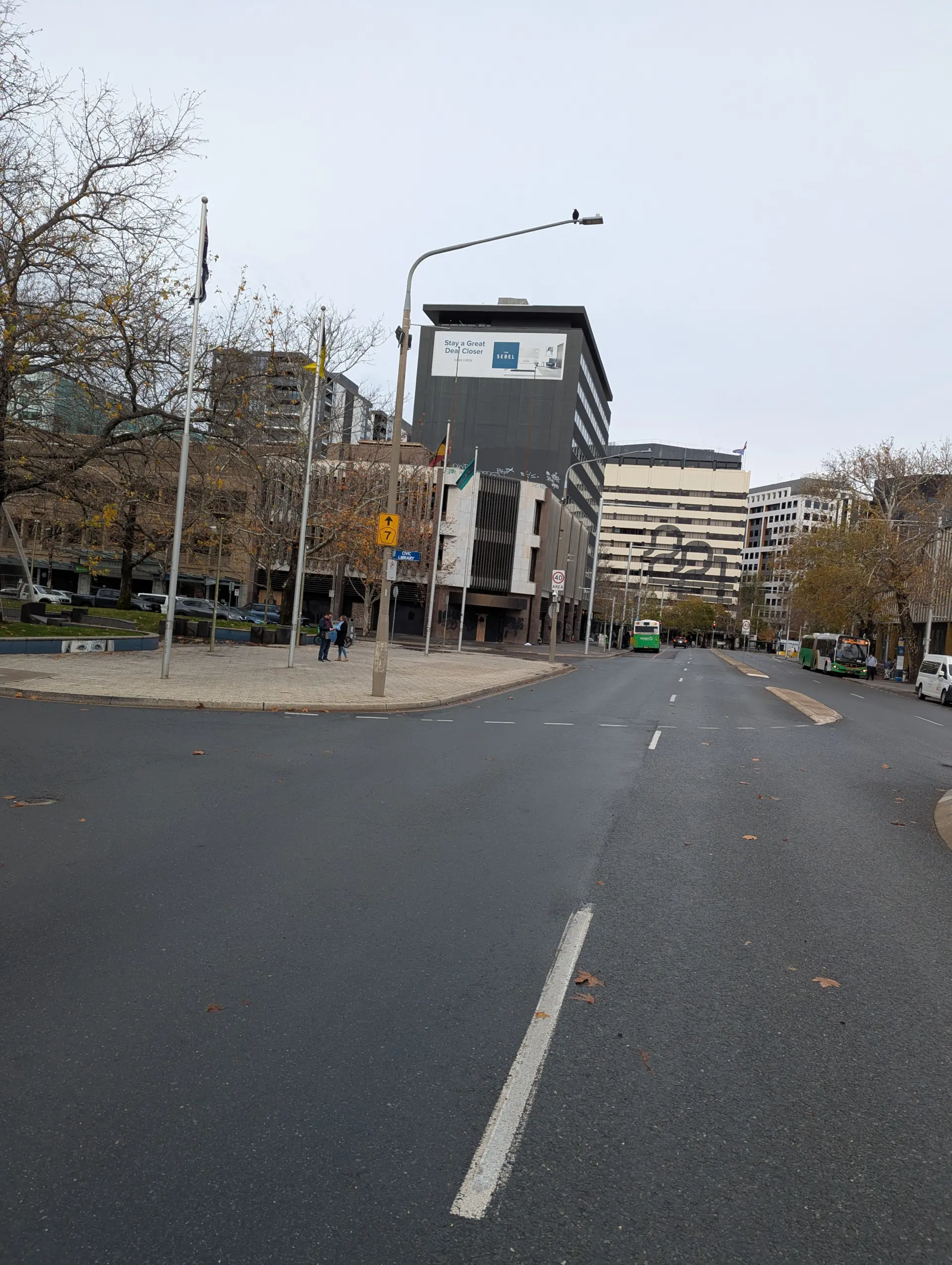
The capital city of Australia occupies most of the northern quadrant of the Australian Capital Territory. Its southern and western reaches form the northern part of the Australian Alps, the country’s highest mountain range. Canberra is an entirely planned city, grounded in a design by American architects Walter Burley Griffin and Marion Mahony Griffin. The Griffins’ plan was influenced by garden city movement and featured geometric motifs aligned with significant topographical landmarks such as Black Mountain, Mount Ainslie, Capital Hill and City Hill. Its design can be viewed from its highest point at the Telstra Tower and the summit of Mount Ainslie. Other notable features include the War Museum, the National Arboretum and Lake Burley Griffin.
The reason to be in Canberra for me is historical, sociological, philosophical, and educational, research. My scholarly research, spanning four decades from 1986 to 2026, is anchored by a single foundational axiom: “Understanding history is philosophy in practice”. I reject the notion of history as a static collection of facts or an isolated academic exercise; instead, I view it as a mandatory empirical grounding for ethical critique and wise living. My work functions as a critical bridge between academic inquiry and applied social practice, aiming to remediate a society I believe is increasingly trapped in unreflective habits and “Historical Forgetfulness”. My research journey began with a focus on Protestant Attitudes (1986–1987), specifically how interwar belief systems shaped social identity in Queensland. This evolved during my doctoral studies at the University of Queensland into a deep examination of the American Revivalist Tradition, which required extensive archival tours of the United States to map international intellectual networks. Throughout this time, I became a foremost historian on the interplay between belief and doubt, navigating the blurred boundaries between formal Christianity and secularized belief systems.
In the middle of my career, I transitioned into the professional sphere, developing models for Queensland Schooling and Higher Education Policy. My roles as a secondary teacher and a Research Officer for three Vice-Chancellors at the University of Melbourne allowed me to observe firsthand the disconnect between administrative efficiency and “intellectual education”. A significant portion of my recent research diagnoses a systemic “Academic Immense Regression”. I have tracked the transition of the university from a community of scholars to a technocratic industry governed by a “techné mindset”—an instrumental rationality that reduces human existence to quantifiable data and “job readiness” metrics. I call the result of this process “denoetization”: the mechanical liquidation of the human capacity for critical thought and judgment. In this state of “symbolic misery,” individuals are reduced to passive conduits for automated technical and bureaucratic systems. My research seeks to unmask the “institutional bullshit” and manufactured myths that sustain this collapse.
To counter this regression, I have developed a suite of post-post-postmodernist methodological tools: There is the Spiral Historiography. This lens rejects linear progress in favour of a cyclical re-evaluation of ideas. It allows me to “uncoil” repetitive patterns of intellectual error and stupidity that trap populations in cycles of failure. There is Dynamic of Cognition (DoC). This is a cognitive architecture I use to map the mind’s movement from unreflective prejudice toward a state of social accountability and “Sufficient Comprehension”. There is the POLICE Model – Standing for Philosophically Ontology Logic Intersect Compatibility Education, this tool serves as an “intellectual immune system” for citizens to police their own thoughts and resist the loss of judgment. My work on Local-Regional Historiography and the Mapping Brisbane History (MBH) Project applies Digital Humanism to recreate lost historical landscapes. I use these snapshots to identify specific human agency behind urban change, dismantling folkloric myths like the “Queensland character,” which I view as a political device used to resist liberal intellectual influences and maintain stasis. I have also dedicated years to reclaiming the legacy of local philosopher Jack McKinney. His “Original Synthesis of Experience” informs my view that knowledge is not an elite silo but an “interpersonal thing” synthesized through the “living bridge” of language.
Currently, I operate the Management Institute for Contributory Economy (MICE). We advocate for an economic re-orientation that values human dignity, wisdom, and character over narrow transactional profit. The ultimate goal of all my research is to restore “Human Authorship”. I want to empower individuals to move from being “puny nodes” in a network to becoming the proactive, intentional creators of their own life narratives. This is operationalized through panser (thinking as caring)—a procedural kindness that protects human particularity from the coldness of pure calculation and tends to the “intellectual wounds” of our society.
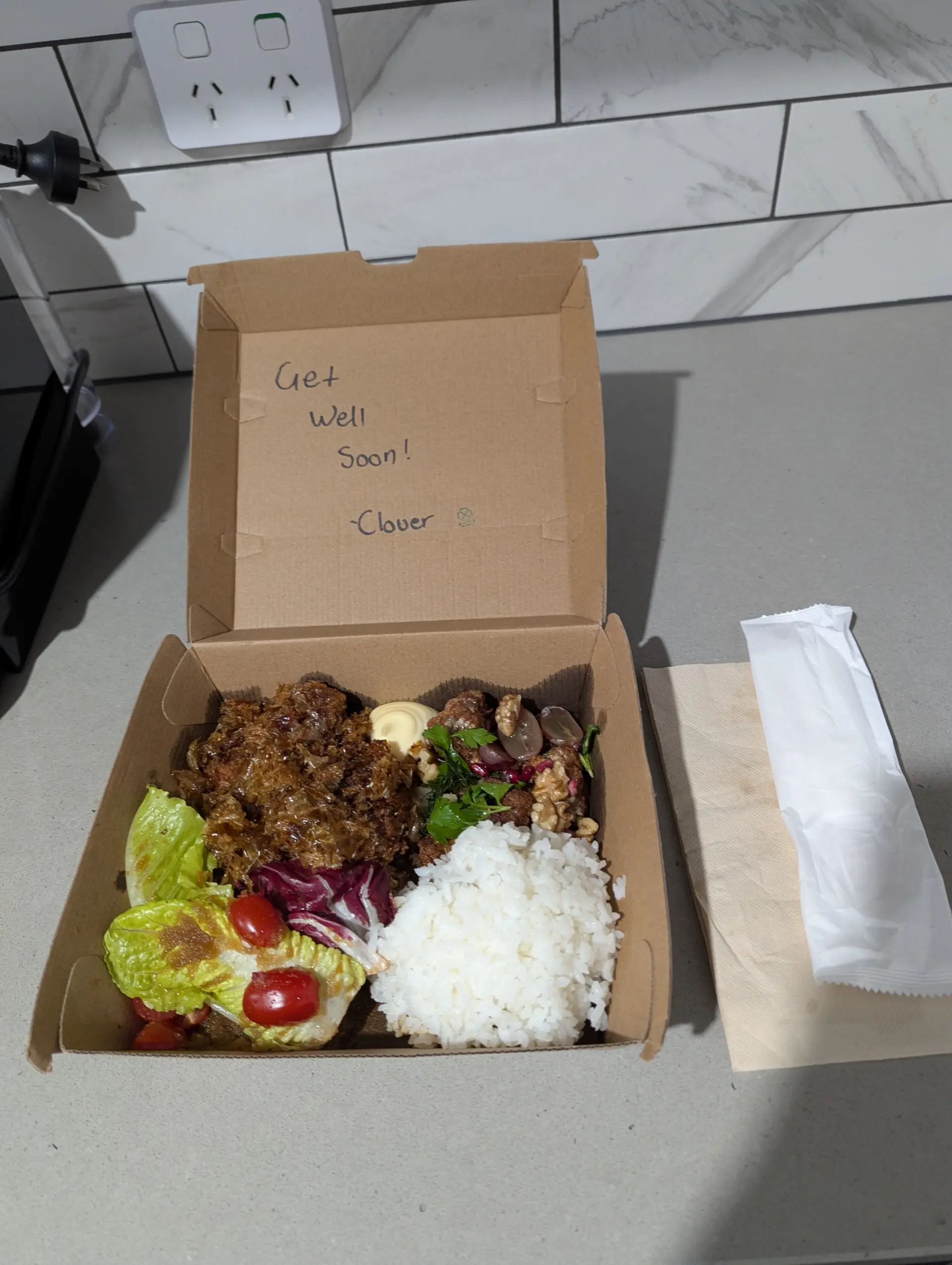
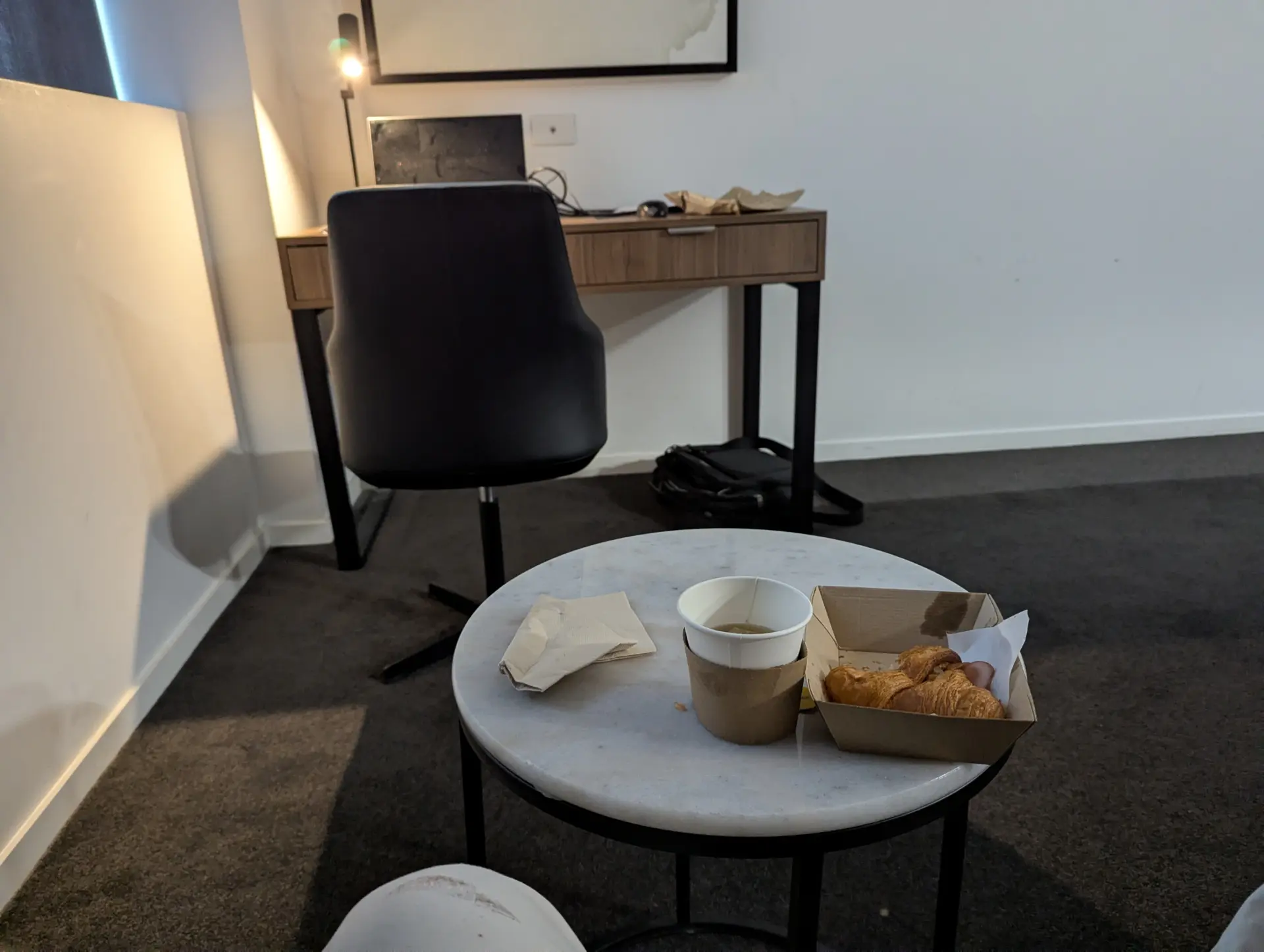
I am not alone in this compassionate way of thinking. As a mundane example, during the whole road trip I was suffering a heavy cold across the whole of my body. Nevertheless, there always kind individuals who helped me on my way, as illustrated in the image above as a kind thought; and often all it takes is a kind thought. In my scholarly and personal journey, I have come to recognize that compassion is not merely an emotional trait, but a cognitive procedural necessity for sound judgment. I view it as the indispensable human complement to technological function, a vital force that balances the “coldness of pure calculation” and the “technocratic reductionism” of our modern era. Within my framework at the Management Institute for Contributory Economy (MICE), I describe this synthesis as panser—the reinvention of thinking (penser) as caring.
For me, compassion begins with an acknowledgment of the tangible reality of human suffering. I draw on the legacy of Jack McKinney to understand that pain is deeply personal and subjective; it exists in our individual consciousness through the “living bridge” of language. Therefore, the treatment of suffering requires a completely different approach than the mechanical models of bureaucratic administration. To truly care, I believe one must adopt the principle of “seeing what the people see”. This is an act of empathetic imagination and courage—a temporary suspension of my own viewpoint to stand in another person’s shoes and understand the world through their lived experience. In my work, compassion is operationalized through Compassion-Focused Pedagogy (CfP), where I establish empathy as a prerequisite for true inclusion. I argue that knowledge cannot remain a narrow prejudice; it must move toward a more comprehensive schema of understanding that prioritizes the particularity of the person over abstract utility. This aligns with the relational ethics of Nel Noddings, which distinguishes between “natural caring”—acting because I want to—and “ethical caring,” which is the “must” of acting caringly even when I desire to escape another person’s pain. This “must” is an unending obligation that meet others in their unique circumstances, ensuring that judgment remains anchored in lived reality.
I integrate this virtue into my Synthesis of the Five Intentions under the category of Love. Here, compassion functions as a “procedural shield” or “kindness” that protects human particularity from abstract, universalizing logic and the “lethal institutional arrogance” that often characterizes modern systems. It is the “voice of nature in the law of men,” providing the “warmth of the origin” necessary to prevent our intellectual systems from becoming instruments of systemic indifference. Ultimately, I see compassion as a “socialization of the spirit”. It is the tool I use to “tend to the wounds” of social fragmentation and the pathology of “Historical Forgetfulness”. By practicing Methodological Tenderness, I use restorative truth-telling to merge repellent experiential fields into a coherent narrative of shared humanity. My goal is to facilitate Aristotelian flourishing (eudaimonia), where success is measured not by pecuniary profit or efficiency, but by human dignity, wisdom, and our capacity to maintain a community grounded in mutuality and care.
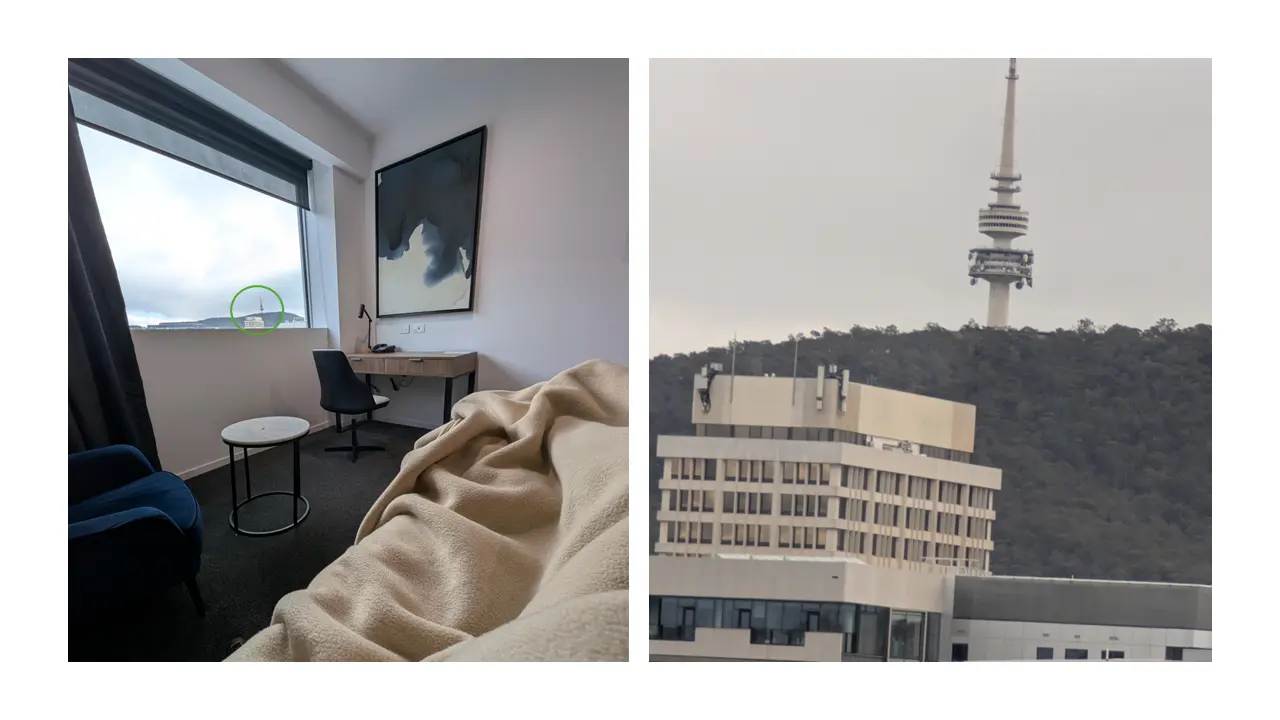
We work together to transform our shared urban environment from a mere “space” of residence into a meaningful “place” of belonging and a “base” for contribution. This effort is fundamental to our hopes for a more just, inclusive, and peaceful world, recognizing that relationships are the “living glue” that holds our society together. To improve our city living, we must move beyond the role of passive residents and become proactive authors of our shared social reality. My research and practice are anchored in the foundational axiom that “understanding history is philosophy in practice,” which serves as the mandatory empirical grounding for ethical city-building. By utilizing Spiral Historiography and initiatives like the Mapping Brisbane History Project, we “uncoil” repetitive patterns of intellectual error and dismantle the “Historical Forgetfulness” that traps communities in repetitive cycles of failure. We strive to unmask “institutional bullshit” and manufactured myths, such as the “Queensland character” myth, which are often used to justify social stasis or intellectual neglect.
In our daily community work, we emphasize a developmental ascent from a “Junior” state of unreflective habit toward a “Senior” state of social accountability. This involves the strategic practice of “loitering with intent,” where we position ourselves in public hubs—like parks, libraries, or coffee shops—to recognize and capitalize on kairos moments, those organic and unexpected opportunities for human connection. We have learned that we must “start with what’s strong” rather than what is wrong, focusing on existing community assets and strengths to build collective resilience. To truly improve urban life, we believe we must act as “culture creators” rather than mere consumers. Many of us work to “plug the leaky bucket” of our local economy, ensuring that wealth and resources are reinvested within our neighbourhoods to foster local employment and ownership. We also participate in small, inclusive groups—often using the 0-1-3 methodology—to transition from private concerns to shared actions that address challenges like social isolation or environmental degradation.
At the heart of our collective mission is the reinvention of thinking (penser) as caring (panser), a procedural kindness and “shield” that protects the particularity of the person from the “coldness of pure calculation” found in modern technocratic systems. We implement the POLICE model (Philosophically Ontology Logic Intersect Compatibility Education) to train ourselves to “police our own thoughts” and resist the mechanical liquidation of judgment known as denoetization. Ultimately, our work seeks to facilitate Aristotelian flourishing (eudaimonia), where the success of our city is measured by human dignity, wisdom, and character rather than narrow pecuniary profit. By bridging the gap between academic inquiry and applied social practice, we are building a “City of Intellect” where every citizen acts as an intentional creator of a shared, humane future.

Thinking about ‘city’. One of the primary issues is the spectrum of thought on the weak binary of regional-town or city boundaries. As a scholar dedicated to the synthesis of history and philosophy, I have spent decades examining the cognitive and institutional boundaries that shape our shared reality. One of the most persistent and problematic issues I encounter is the weak binary between regional-town or suburban existence and the city, a division often maintained through what I call “Historical Forgetfulness” and a “techné mindset” in governance. In my work, I argue that this divide is not a natural fact but a historically contingent construction used to isolate communities and resist deeper intellectual engagement.
In cities like Brisbane, I have observed municipal authorities frequently setting neighbourhood plans for outer suburbs against the inner city, creating a perceived “urban and suburban divide”. From my perspective as a sociologist, this is a false binary. Better policy and practice recognize that urban regeneration in the suburbs is simply a matter of distancing an established landscape from a frontier landscape, rather than a fundamental difference in kind. This binary is often reinforced by the “retail politics” of city-shaping, where PR-driven narratives and “singular messaging” replace layered, comparative historical inquiry. This reductionism fails because human thought is structured in complex schemas that cannot be captured by narrow administrative data. When we treat the city as a “meaningless checkerboard of parts,” we strip away the historical and social bearings that give our lives “thickness”.
A primary tool for maintaining this weak binary in my local context has been the “Queensland character” myth. This folkloric identity portrays citizens as bumbling, unreflective, and tough agrarian types—the “happy-go-larrikin” who is inherently suspicious of “southern” or liberal intellectual influences. I view this myth as a political device used by elites to justify intellectual neglect and maintain a state of “intellectual stasis”. This myth functions to trap the community in a state of Historical Forgetfulness, where the origins and struggles of our core concepts are banished from memory. It isolates individual electors from “social critical” interaction, preventing them from finding the common political ground necessary for a healthy democracy. By “uncoiling” these repetitive patterns of error through Spiral Historiography, my research seeks to dismantle these toxic social scripts and restore Human Authorship over our narratives.
To overcome these parochial prejudices, I utilize what I call the “Local-Regional-Global Dynamic”. This is not a series of isolated boxes but a moving scope—a “zooming” perspective that recognizes the interdependence of these three types of scopings in our thinking. I argue that our actual lived experience, our lebens-philosophie, is a condition of all three outlooks synthesized into a single worldview. The relationships between the local, regional, and global are overlapping and emerging, depending on the activity of our language. For instance, my research into Protestant belief in Queensland showed that while contemporary religious thought has been homogenized by “Americanization,” local-regional diversification in Australia actually matched that of the United States. We can, in fact, “have the cake and eat it” by recognizing diversification and hybridization alongside global trends.
My ultimate goal is to facilitate a “Synoptic Vision”—a “big picture” overview that assess the vital relationships between different fields and scales of knowledge. This vision allows us to move beyond the “Junior” state of unreflective habit and “docile execution” toward a “Senior” state of social accountability. By professionalizing local history and linking regional experiences to global themes, we provide the “historical a priori” necessary for genuine judgment. This process of seeking the “whole of the matter” while filtering out manufactured myths is what I define as Sufficient Comprehension. It is through this interdisciplinary commitment to truthfulness that we can move beyond “symbolic misery” and ensure that the “who” (the human being) remains the master of the “what” (the technical and social systems).
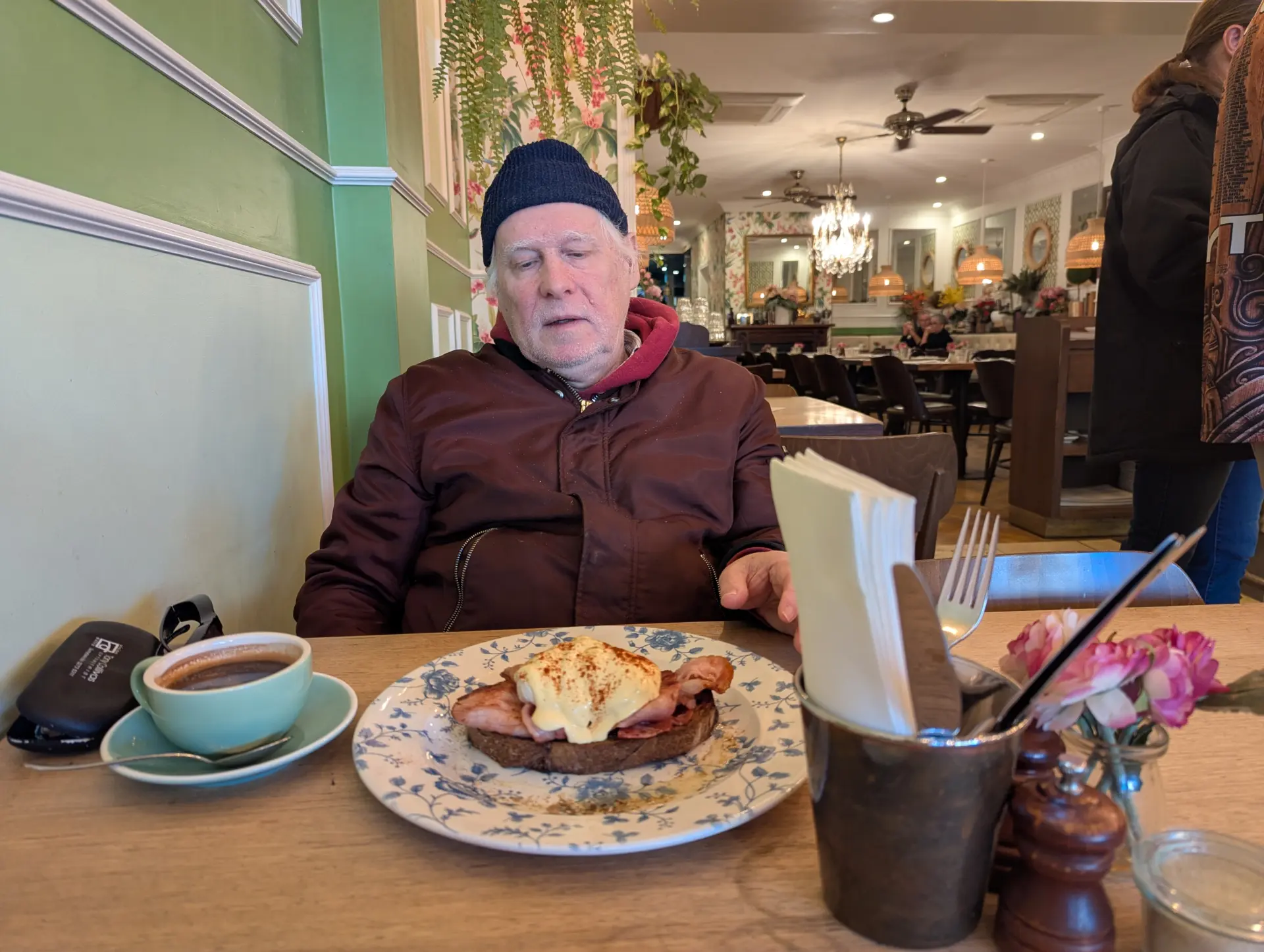
I view my life’s journey not as a straight line of inevitable progress, but as a dynamic, non-linear spiral. In this “post-post-postmodernist” era, I recognize that the path behind me is an eternal lane stretching back to the common fund of inherited experience shared by my ancestors around the original fire. As I travel, I frequently find myself revisiting and re-evaluating past intellectual struggles, reading historical texts with modern inclusivity to reveal their enduring potential for my present. I have learned that without a deep historical awareness, I risk getting “stuck in time-space,” trapped by the “Spiral History Theory of Stupidity” where I might repeat past errors simply because their origins have been banished from my memory.
My task as a contributory agent is to “uncoil” these repetitive patterns of failure, unmasking “institutional bullshit” and manufactured myths that often cloud my judgment. This journey demands a developmental ascent, moving from my “Junior” state of unreflective habit and “docile execution” toward a “Senior” state of social accountability where I can finally claim true human authorship over my existence. I navigate this constantly changing landscape like a river pilot, using the rudder of integrity and the compass of caring—panser—to respect the complexity and contingency of the hidden currents and shifting sandbars.
I explicitly reject the “techné mindset” that seeks to reduce my life to a “meaningless checkerboard of parts” or quantifiable data, choosing instead to be the proactive creator of my own narrative. By synthesizing my five core intentions—Self, Mind, Reason, Utility, and Love—I strive for “Sufficient Comprehension,” which is the active process of seeking the “whole of the matter” while filtering out the “innutritious” falsehoods of the age. Each step I take represents a “Personal Breakout” from the mechanical liquidation of my judgment, allowing me to find my place in the gap between an infinite past and an infinite future. I travel well and with a gentle touch, listening quietly to the country I live in and reweaving my connections with the natural world.
Here we go (again, Stakka Bo)
Here we go again
Here we go-go-go to the temple of consumption
Get your gear and start to spend
Here we go-go-go with a total dedication
Here we go again
Here we go-go-go to the temple of consumption
Get your gear and start to spend
Here we go-go-go with a total dedication
As some sort of prototype I serve to be
You see tomorrow’s dream has never been part of me
Consume today and leave the rest behind you
Tomorrow’s a surprise party buy a ticket or two (two)
Faster livin’, faster, live as fast as you’re able
Eat the food while it’s still hot on the table (table)
Now spend if you can, the greens are burning in your pocket
If you spend it right now you’ll get as high as a rocket
Everything you don’t use will lose its value tomorrow
Consumed too much today, you can always borrow
This paradigm’s the best one since the day of creation
Get your gear and shape up, this is the revelation
Shop till you drop has built this civilization
Don’t believe what you hear ’bout the next generation
If you go with a lot of toys you’ll slip away a happy man
The greens are burning in you pocket, spend it while you can
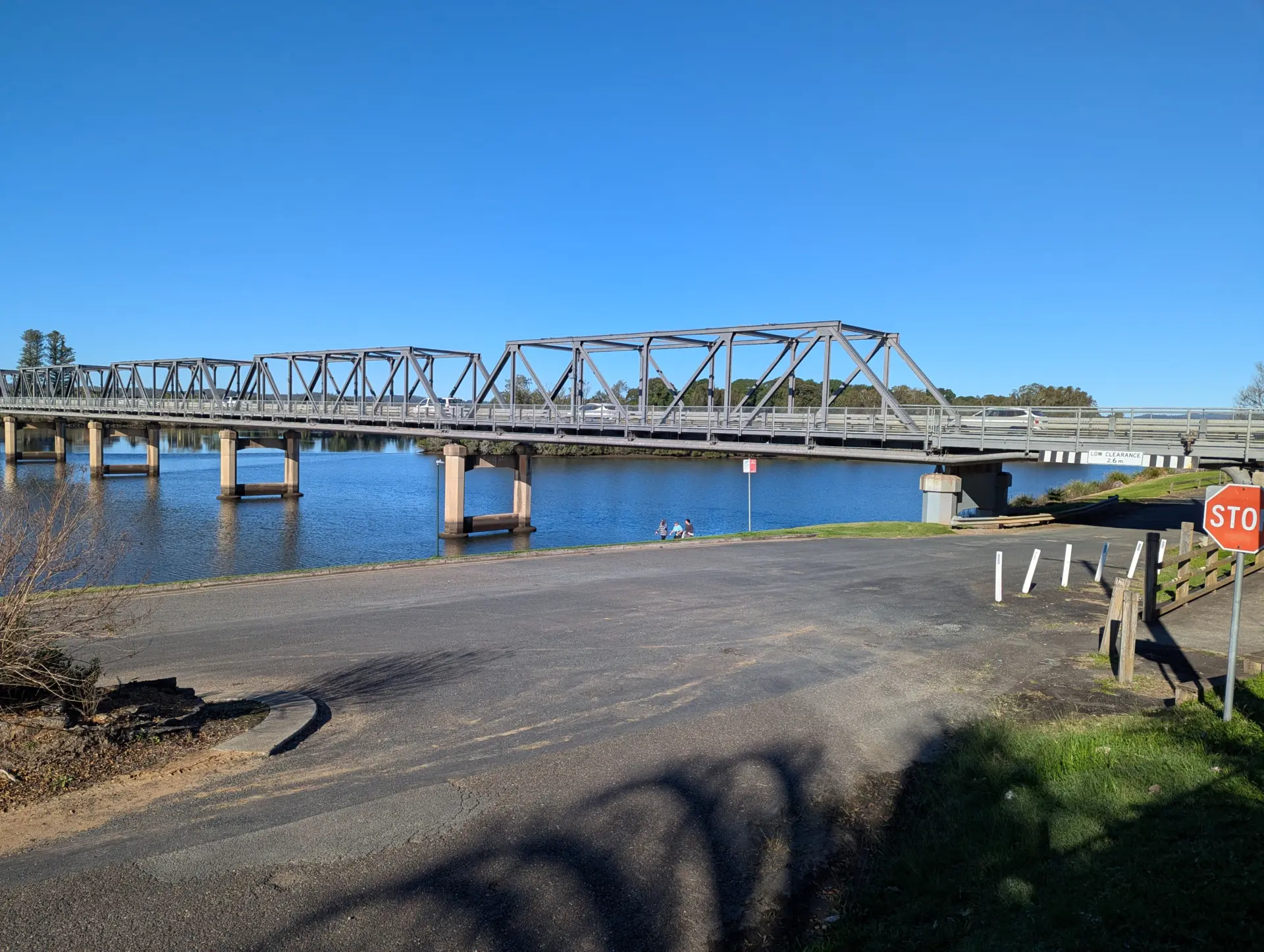
I’ve come to understand that my life’s journey is best envisioned as a non-linear spiral, an ongoing “post-post-postmodernist” movement that rejects the illusion of simple, linear progress. This spiral lens allows me to “uncoil” repetitive patterns of intellectual error and unmask the “institutional bullshit” that often traps societies in cycles of stupidity and failure. Yet, as I navigate this vortex of time, I also recognize that life travel is an endless river, a continuously flowing stream of sheer change that demands the skill of a master navigator. Within the framework of the Management Institute for Contributory Economy (MICE), I see that a “simple” traveller might only look for a straight path or rigid instructions, inevitably running aground on the hidden currents of passion or the shifting sandbars of contingency. To navigate this river safely, I must utilize the rudder of integrity and the compass of care (panser), ensuring that my journey respects the river’s inherent complexity rather than seeking a final, cold calculation. I explicitly reject the “techné mindset” of modern governance, which may improve my rowing speed through technical efficiency but fails to tell me where the river is leading or if a waterfall lies ahead.
My travel is guided by the Synthesis of the Five Intentions—Self, Mind, Reason, Utility, and Love—which reintegrates my “literary mind” and “philosophic mind” to counter the mechanical liquidation of my judgment. This path requires a developmental ascent from a “Junior” state of unreflective habit toward a “Senior” state of social accountability, where I can finally claim true human authorship over my life narrative. By practicing Methodological Tenderness, I use historical truth-telling to tend to the “social wounds” encountered along the riverbank, transforming history from a static fact into philosophy in practice. As a contributory agent, I am not a “puny human node” tossed about by waves of data, but the proactive creator of my shared social reality, seeking Sufficient Comprehension in the gap between an infinite past and an infinite future. My survival on this endless river depends on my ability to engage in communicative rationality, finding the “we space” where dialogue aimed at mutual understanding serves as the pacemaker of our collective evolution. Ultimately, I travel toward Aristotelian flourishing (eudaimonia), recognizing that the success of the journey is measured by human dignity and wisdom rather than narrow transactional profit.
The Endless River
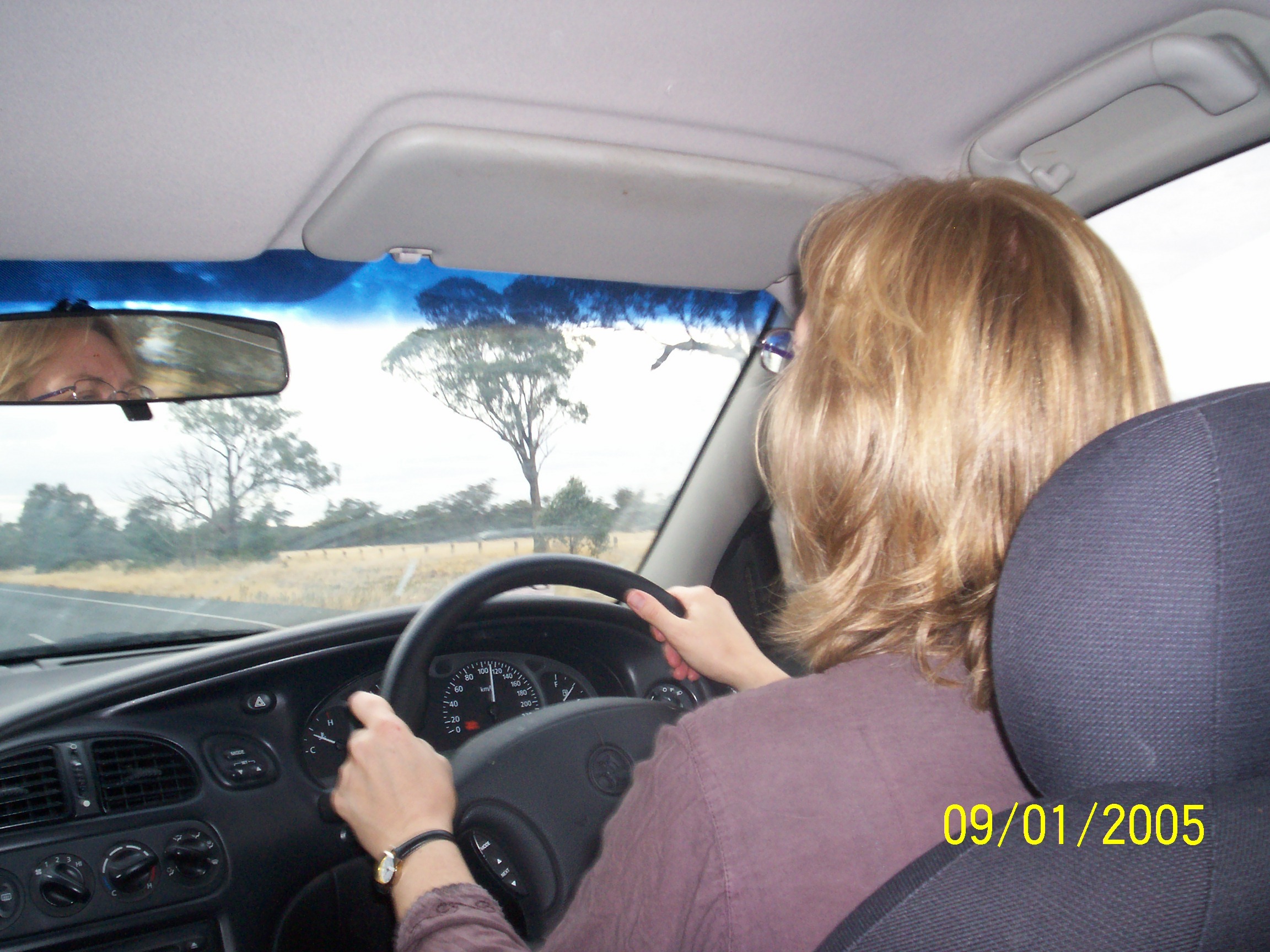
Featured Image: The 2008 Road Trip: Ruth Driving Back to Brisbane.


Neville Buch
Latest posts by Neville Buch (see all)
- Agency, Cultural Construction, and Synoptic Vision: On Matt Patterson’s Comprehensive Examination in Sociological Theory (2009) – September 20, 2026
- Human Existence, Existential Angst, and the Protestant Worldview: An Essay on Buch’s Existential Thesis – September 20, 2026
- Salus Populi Suprema Lex Esto. Ciceronian Statecraft, Spinozan Toleration, and Prophetic Praxis – September 19, 2026