
Professional Historian and History Consultancy Services Brisbane
Category: MICE: Management Institute for Contributory Economy
-
The Limits of Gratitude and the Revival of Virtue
Dr Neville Buch and MICE[1] Abstract This essay examines the epistemological, ethical, and organizational implications of Nakato Hirakubo and Hershey H. Friedman’s study, The Gratitude Advantage: How Appreciation Drives Engagement and Performance. Grounded in neuroscience, organizational psychology, personalist care ethics, and Dr. Neville Buch’s framework of Spiral Historiography, this paper evaluates how systematic appreciation combats…
-
MICE Methodological Projects
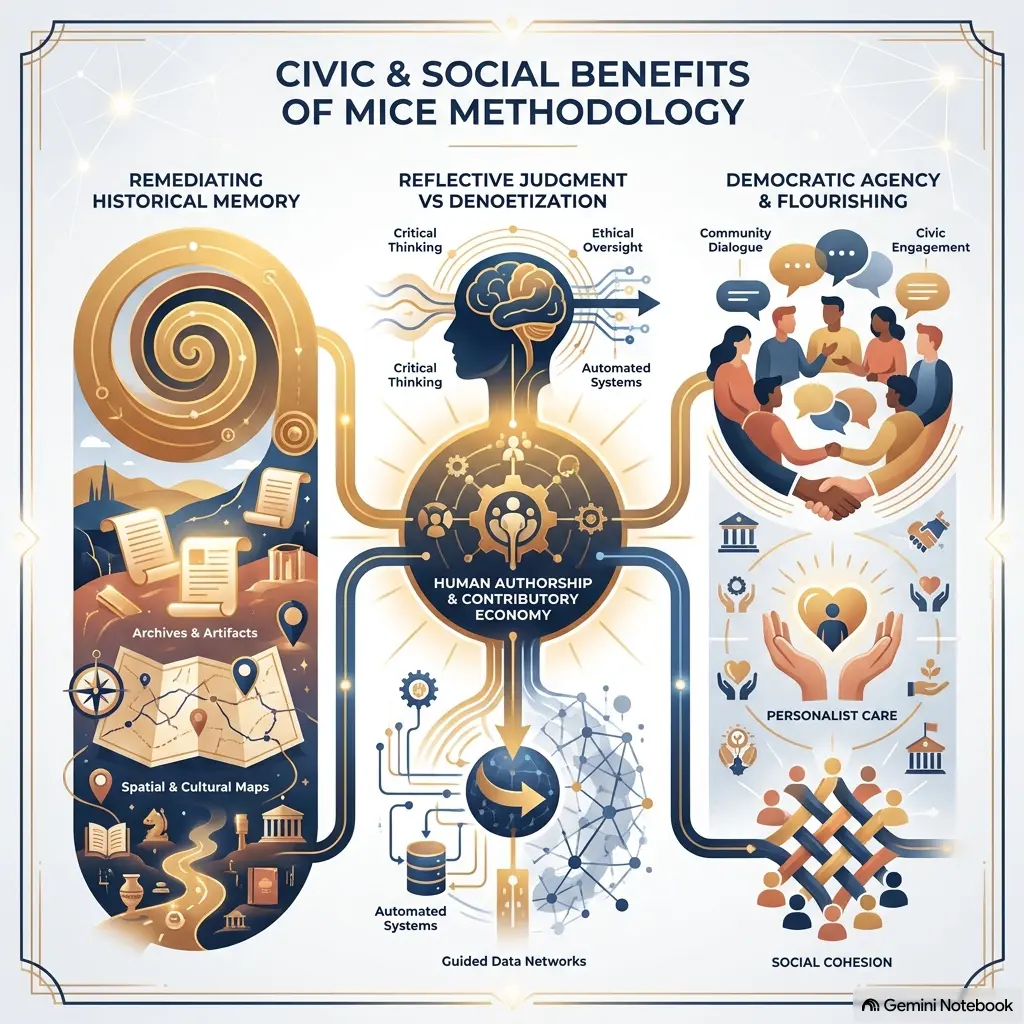
Abstract The Management Institute for Contributory Economy (MICE) Methodological Projects, established and directed by Dr. Neville Buch, represent a pioneering framework in applied historiography, digital humanism, and personalist social science[1]. Grounded in the foundational axiom that “understanding history is philosophy in practice,” MICE projects deploy specialized analytical tools—most notably the Dynamic of Cognition (DoC) framework,…
-
We Have Been Here Before: Modern Intellectual History Message
Dr Neville Buch and MICE[1] Abstract This essay develops the core thesis of “We Have Been Here Before: Modern Intellectual History Message,” which asserts that political systems grow fragile, inadequate, or slide toward authoritarianism when independent scholarship in the Humanities and Social Sciences (HASS) is devalued or repressed[1]. Examining Australian politics and culture, the paper…
-

The 2026 Democratic Electoral Surge and the Architecture of Contributory Governance
Featured Image: I have been working on the cultural-history wars for the last decade when Trump first came to power.
-

Unfair Competition Strategies: Deconstructing Technocratic Gatekeeping
Featured Image: Dr Neville Buch, founder with Dr Neil Peach and Dr Michael Macklin of the Management Institute for Contributory Economy (MICE)
-

Susan Haack and Social Economy: Expediting Inquiry in the Contributory City of Intellect
Featured Image: Susan Haack 1945-2026
-
Beyond Ideological Dogmatism: A Critical Response to Bevin Luchel’s The Illusions of the Radical Centre
Abstract This essay provides a rigorous critical response to Bevin Luchel’s (2026) paper, “The Illusions of the Radical Centre: A Socialist Critique of Neville Buch’s MICE Framework and Technocratic Prophecy”[1]. It argues that Luchel’s critique suffers from a profound dogmatic reductionism, collapsing Dr Neville Buch’s Management Institute for Contributory Economy (MICE) framework into an inaccurate…
-
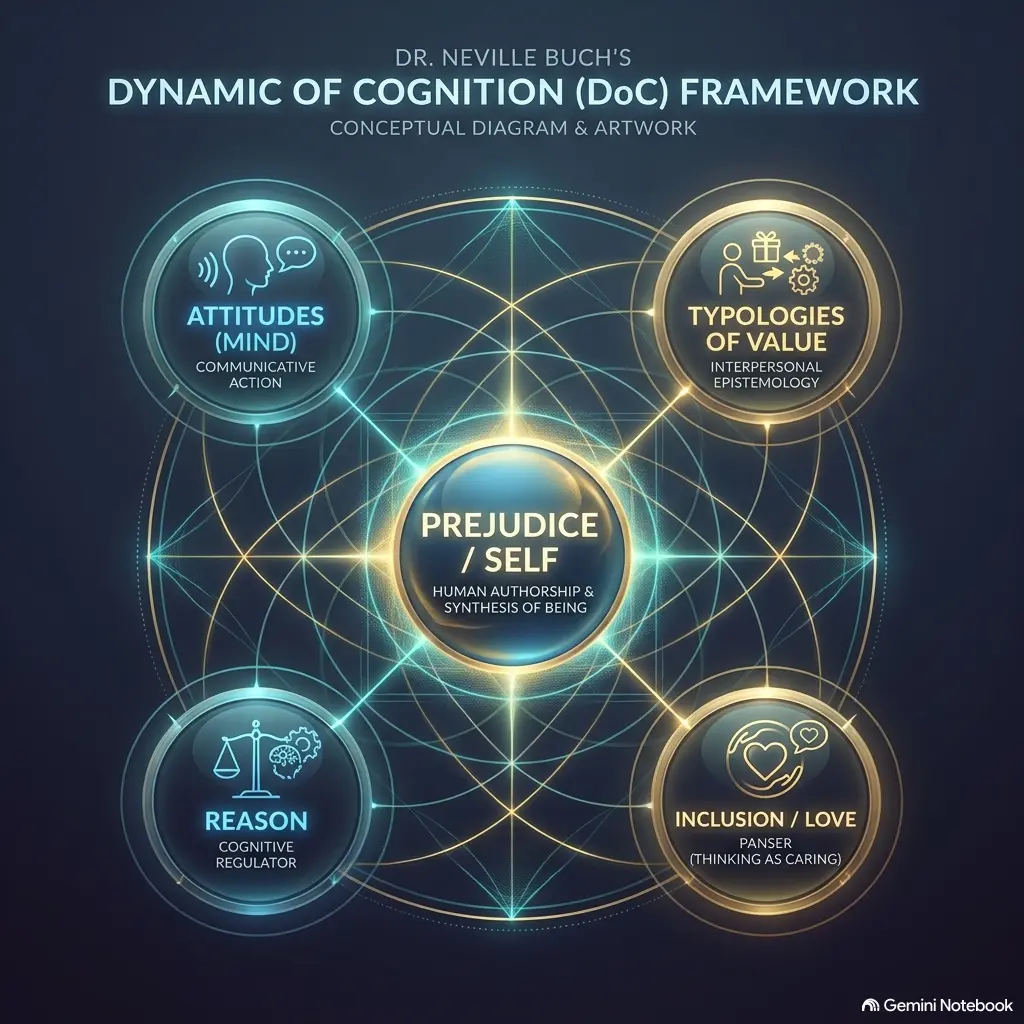
Politics, Theory, and Power Today: From Neoliberal Sclerosis to a Comprehensive and Compassionate Democracy
Dr Neville Buch and MICE[1] Abstract This essay examines the shifting relationship between political theory, statecraft, and power in contemporary society compared to historical eras. Historically, national power was defined primarily by tangible assets—conscripted armies, territorial conquest, industrial output, and physical resource control. In the contemporary era, power has shifted toward intangible “knowledge power”—technological innovation,…
-
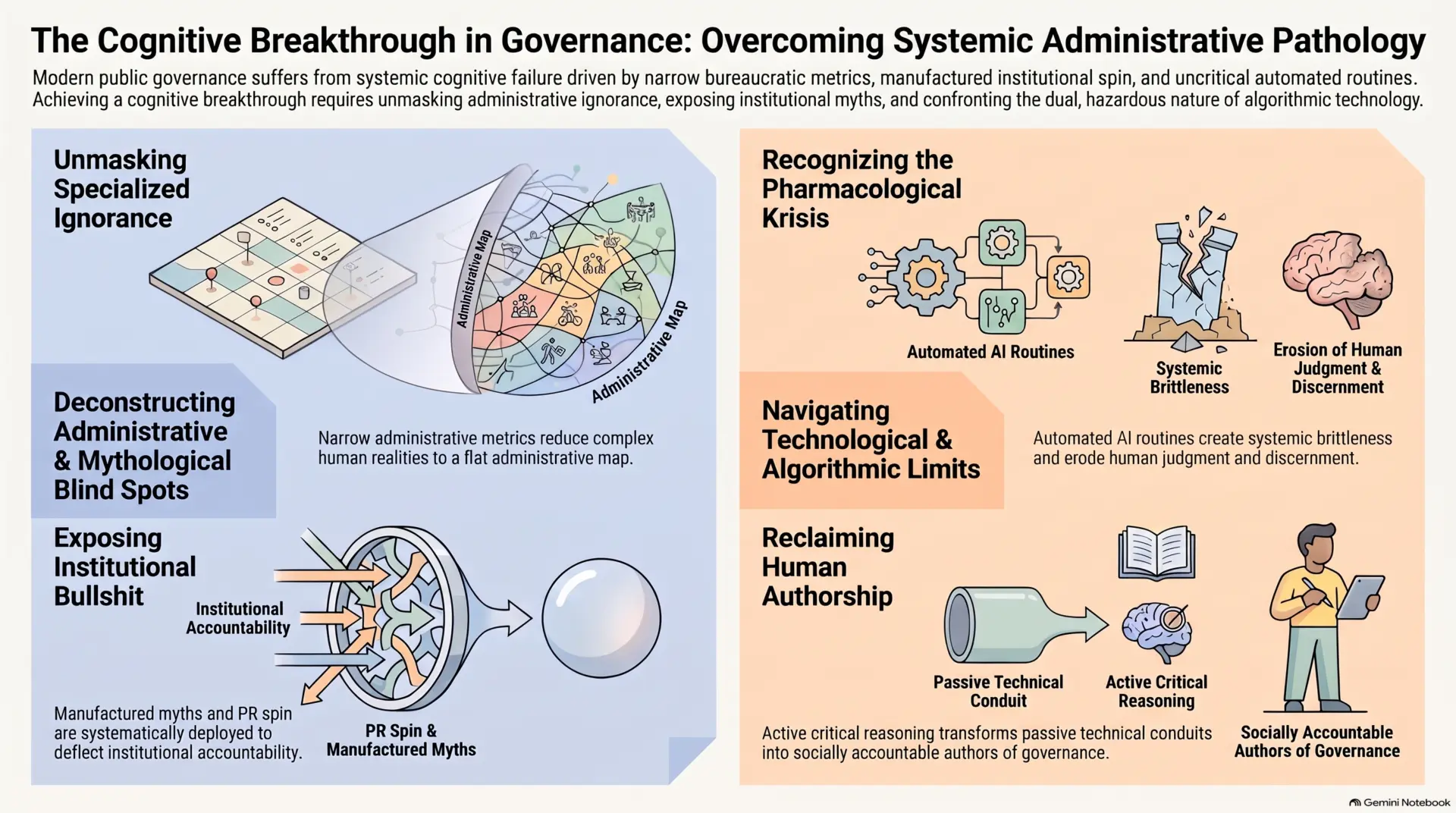
Dismantling Technocratic Apologetics
Featured Image:
-
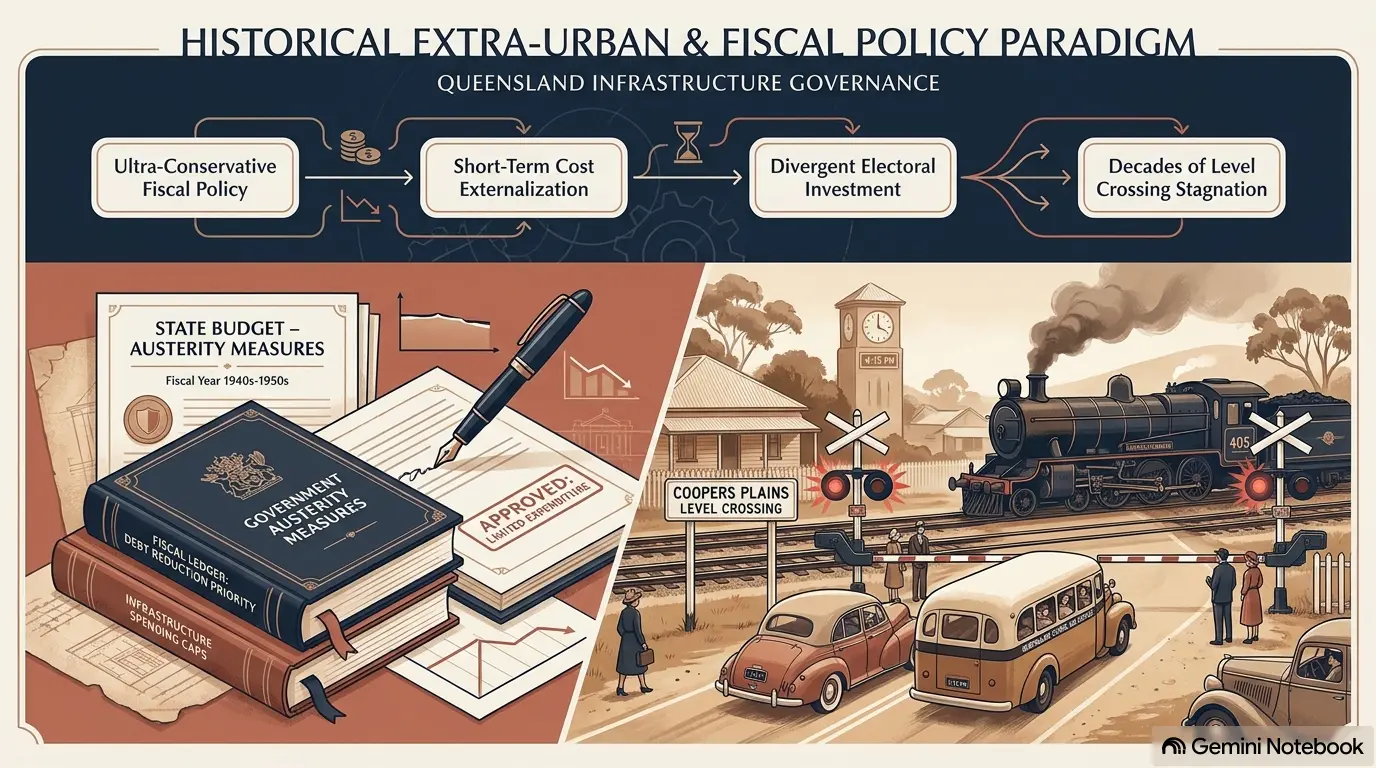
The Coopers Plains Railway Crossings Problem: Historical Inertia, Political Ideology, and the Critique of Infrastructure Governance
Dr Neville Buch and Coopers Plains History Group and MICE[1] Abstract This essay examines the multi-generational infrastructure failure known as the Coopers Plains railway crossings problem in southern Brisbane, Queensland. Originating nearly a century ago, the level crossing conflict represents a textbook case of urban planning inertia, institutional neglect, and ideologically driven governance. By synthesizing…