Professional Historian and History Consultancy Services Brisbane
Category: 2016-future Public Cognition
-
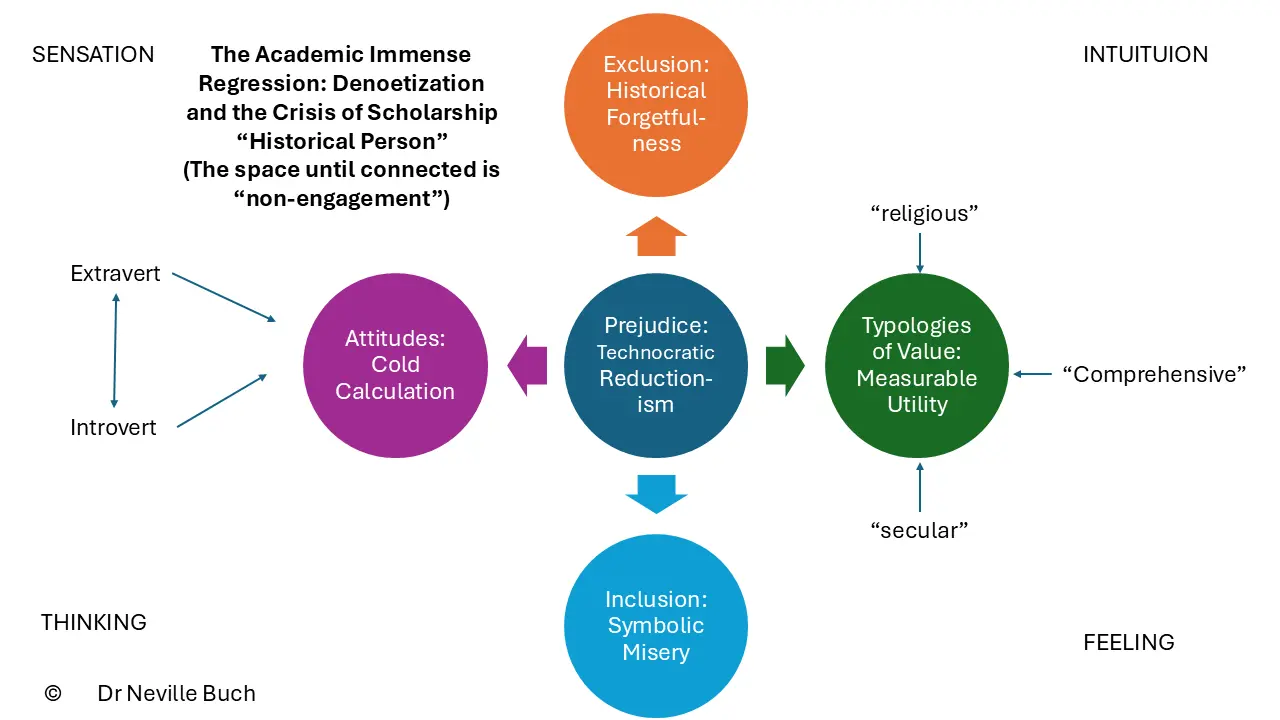
New International Scholarship (post-2007)
Featured Image:
-

The Lessons from Blade Runner
1 November 2026 Look at all these persons in the crowd, especially when compared to millennial history. What would they think of us in their historical context?
-

Why a Cannons Concert Brings Tears, Love, Music, and the Phenomenology of Human Flourishing?
Why a Cannons Concert Brings Tears: Love, Music, and the Phenomenology of Human Flourishing… Abstract This essay explores the profound psychological, aesthetic, and existential reasons why experiencing a live concert by the dream-pop band Cannons induces overwhelming tears. Integrating Josh Adler’s Conscious Systems Theory (CST) and quantum aesthetics, Martin Heidegger’s phenomenology of finitude, Ernest Becker’s…
-

The Unbound Mind: Macro-Governance Architecture & Lebensphilosophie (with Arif Jameel)
Scholarly Collaboration Thanks to Arif for Design and Thinking
-
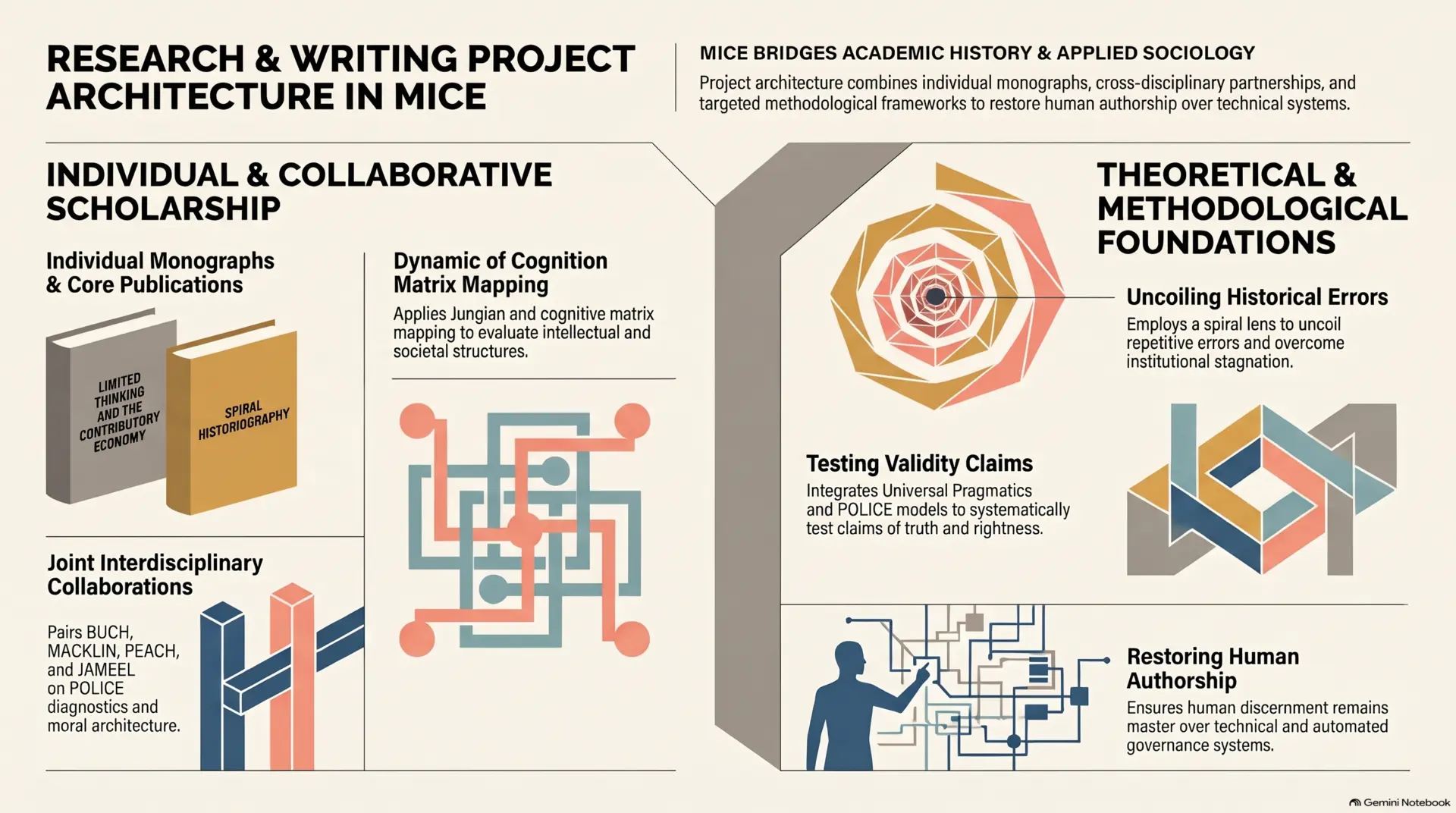
Truth is Truth But Meaning is More Important
Dr Neville Buch[1] Truth, Meaning, and the Limits of Computational Neutrality Abstract This essay explores the critical distinction between empirical truth and intersubjective meaning, addressing the phenomenological condition of becoming a persona non grata—a voice crying in an indifferent wilderness whose urgent warnings fall on deaf ears. Taking as its starting point the allegorical plight…
-
Dr. Neville Buch and the Evolution of Australian Religion-Secular Historiography
Dr Neville Buch and MICE[1] Abstract This research essay examines the intellectual trajectory, reception history, core theoretical messages, and contemporary significance of Dr. Neville Buch’s pioneering work in Australian religion-secular historiography. Spanning over four decades of scholarly activity, Buch’s oeuvre represents a major synthetic effort to bridge Australian-American intellectual history, sociology of education, and philosophical…
-
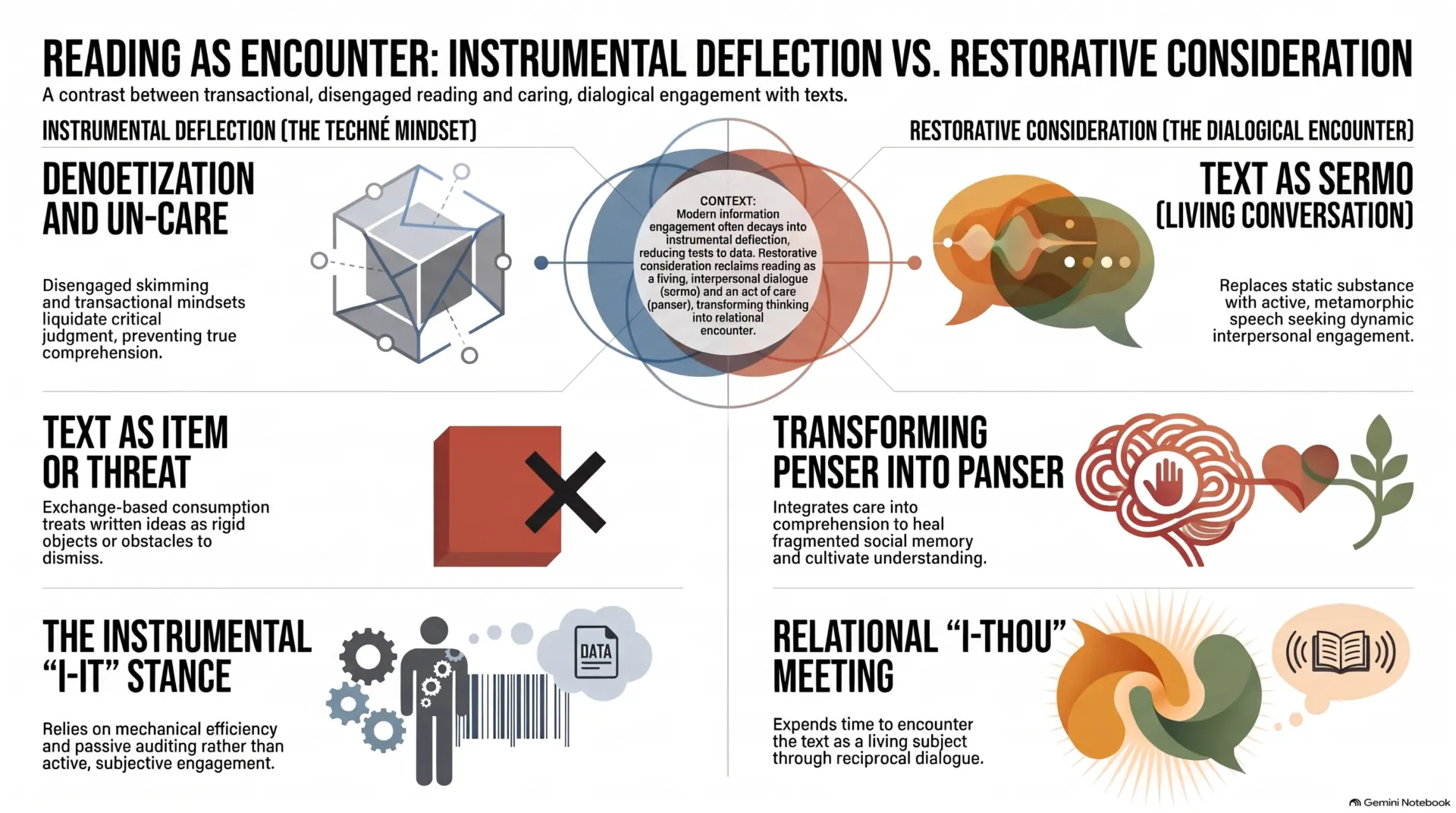
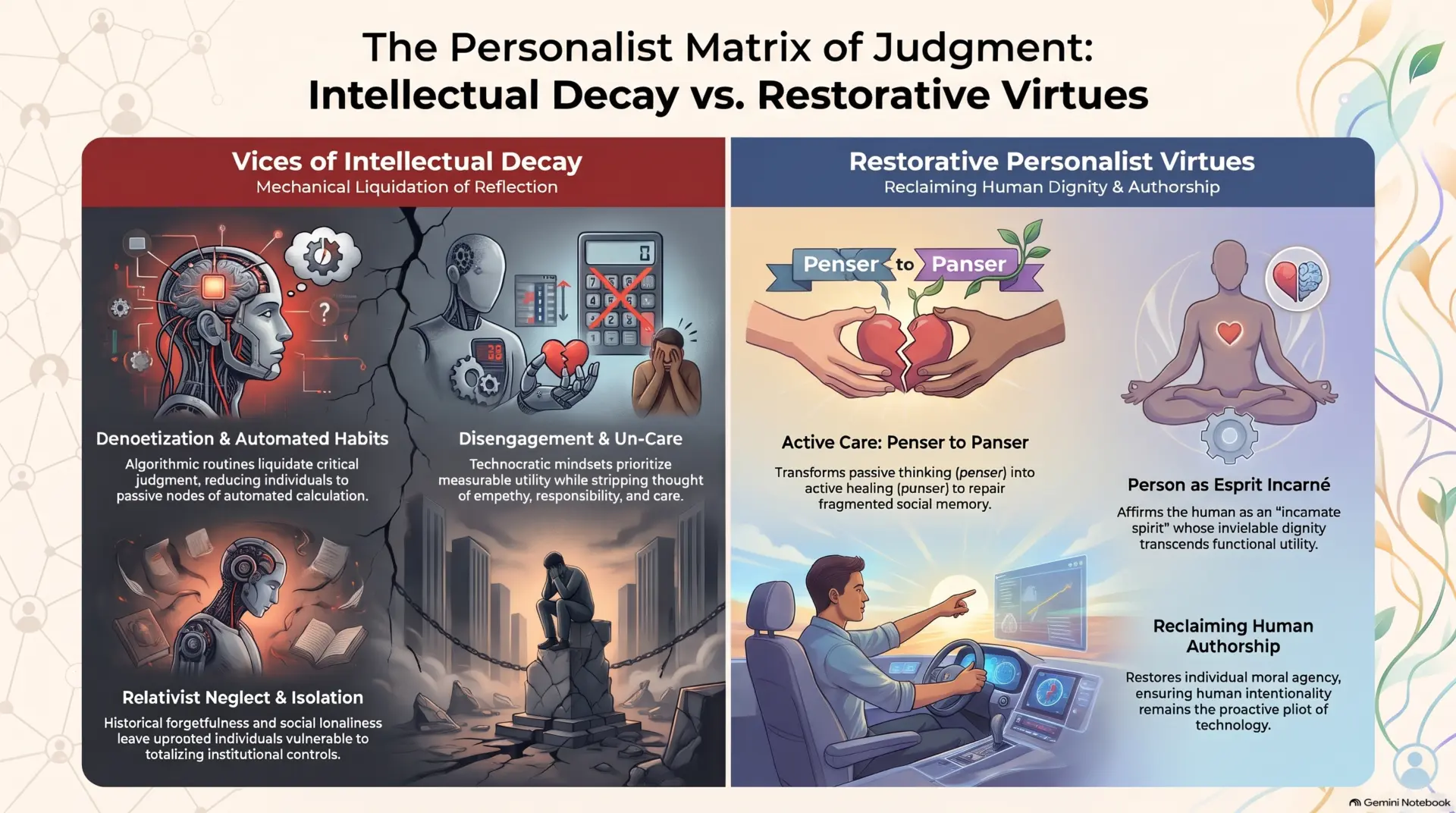
The Destructive Art of Deflection: Cognitive Erosion, Un-Care, and the Loss of Human Authorship
Dr Neville Buch and MICE[1] Abstract This essay examines the epistemological, psychological, and ethical consequences of “the destructive art of deflection”—a pervasive social pathology characterized by the refusal to grant even a minimal measure of thoughtful consideration to written communication, whether an email, an article, or a book[1]. Grounded in the personalist care ethics of…
-
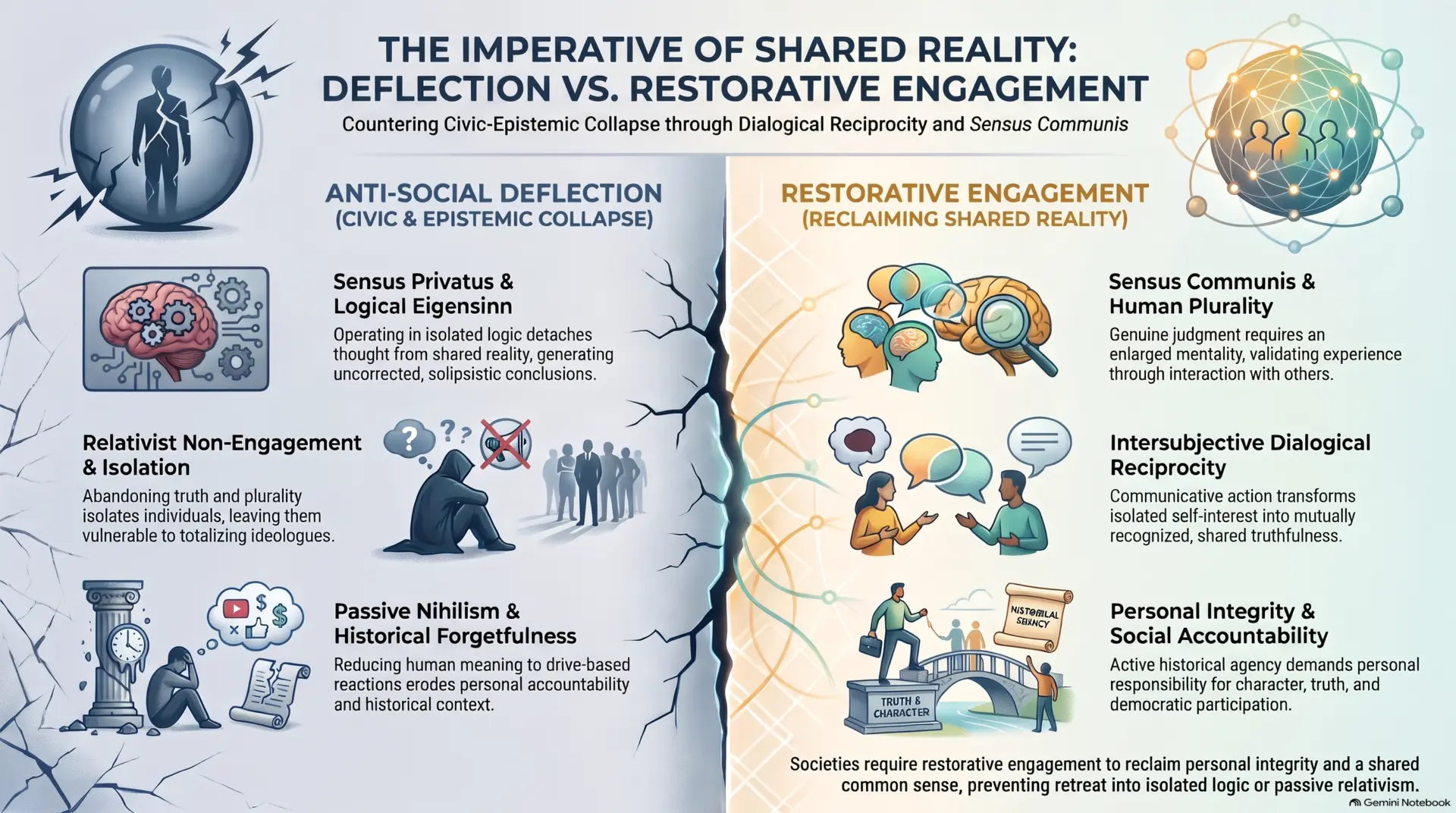
“I Know Many Things, But Thinking Always Makes It So”: The Epistemology of Reflective Judgment, Relational Care, and Human Authorship
Dr Neville Buch and MICE[1] Abstract This essay explores the epistemological, ethical, and sociological implications of Dr. Neville Buch’s dictum: “I know many things, but thinking always makes it so.” Grounded in the moral philosophy of Hannah Arendt, the personalist care ethics of Louvain and Thomistic traditions, and Buch’s framework of Spiral Historiography, this study…
-
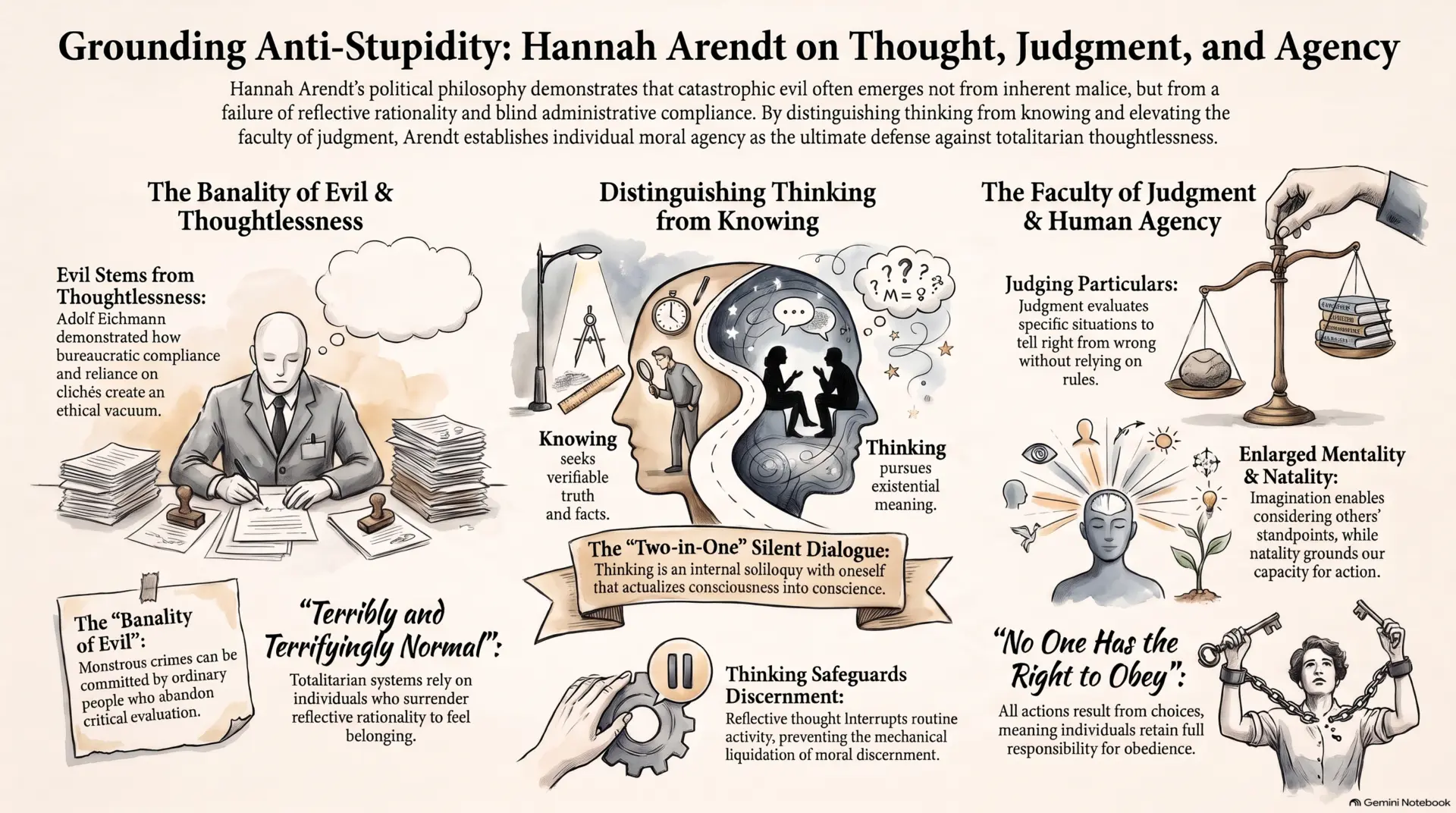
If Not Stupid: Reversing Spiral of Stupidity – An Action-Oriented Framework for Reclaiming Thought, Judgment, and Historical Agency
Dr Neville Buch and MICE[1] The “Why Smart People Enable Evil” audio commentary on MICE’s Contributory Economy and Human Authorship: Sorry, either the technology is playing up or I have run out of “money credit”. Do you see the stupidity down the line, somewhere? Abstract This essay formulates a systematic, action-oriented manifesto for countering human…