
Social environment inevitably intrudes upon historical analysis, however, and so we must appreciate not simply the author’s work, but also the public and personal circumstances that sustain and gave meaning to his efforts. “Before you study the history,” one commentator advised, “study the historian…The historian, being an individual, is also a product of history, and of society; and it is in this twofold light that the student of history must learn to regard him.” Hofstadter referred to this paradox as the historian engagé – the participation of a scholar in the events he recorded. Involvement, no doubt, sacrificed a scientific pose, yet, as he knew from firsthand experience, it also provided the writer with a surfeit of fresh insights and new perspectives.
Quote from David Brown (2006). Richard Hofstadter: An Intellectual Biography, University of Chicago Press, xv.
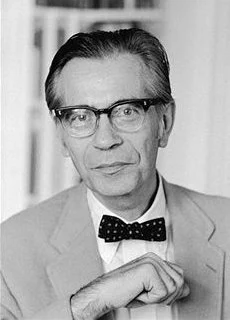
Featured Image: Richard Hofstadter (1916-1970), see Wikipedia Entry: https://en.wikipedia.org/wiki/Richard_Hofstadter


Neville Buch
Latest posts by Neville Buch (see all)
- The Road to Home. A Re-Narrativization of The Story of Resilience Part 7 – October 26, 2026
- The Road to Home. A Re-Narrativization of The Story of Resilience Part 6 – October 26, 2026
- The Road to Home. A Re-Narrativization of The Story of Resilience Part 5 – October 26, 2026