
The General Concept: A Two-Map Cognitive Structure
Consider children playing with dolls on a playground during recess.
from Neil Van Leeuwen
Two things strike us.
First, though the children are absorbed, they don’t lose their grip on reality. They remain aware that sand is sand, that wet sand builds better “castles,” that they have to make voices for their dolls using their own speech, that they can pick the dolls up with their hands (even though the beings the dolls represent are life sized), and so on. In short, two- map cognitive structures in their minds guide their actions, where a factual belief map tracks what the children take (usually correctly) for reality and their imagining map represents make-believe entities and events. Contrary to charming myths, the children at play don’t confuse the pretend and the real (their two-map structures exhibit non- confusion), and they update their factual beliefs about the world (did the bell just ring?) as they go, which I call continual reality tracking. It is as if the children live in two worlds at once: one with piles of sand and one with giant castles.
Second, the children find their play incredibly important—it must be done—and form groups around which games of make-believe they play. Those who play G.I. Joe congregate. Those who play Barbie congregate. And so on. The make-believe play strikes the children as having intrinsic value and forms the basis for in-groups and out-groups. The central idea of Religion as Make-Believe is that significant fragments of religious belief and practice around the world are large-scale, heightened versions of that: games of make-believe that define group identities and activate sacred values. On this view much religious “belief” is a form of sacralized imagining, which I call religious credence.
Capturing these points, my two main theses, which I introduce in the Prologue, are these:
Distinct Attitudes Thesis: factual belief and religious credence both exist and are distinct cognitive attitudes (they are two different ways of processing ideas).
Imagination Thesis: religious credence differs from factual belief in many of the same fundamental ways that fictional imagining does—by “fictional imagining” I mean the cognitive attitude that underlies pretend play.
Further information at https://dokumen.pub/religion-as-make-believe-a-theory-of-belief-imagination-and-group-identity-9780674294936.html
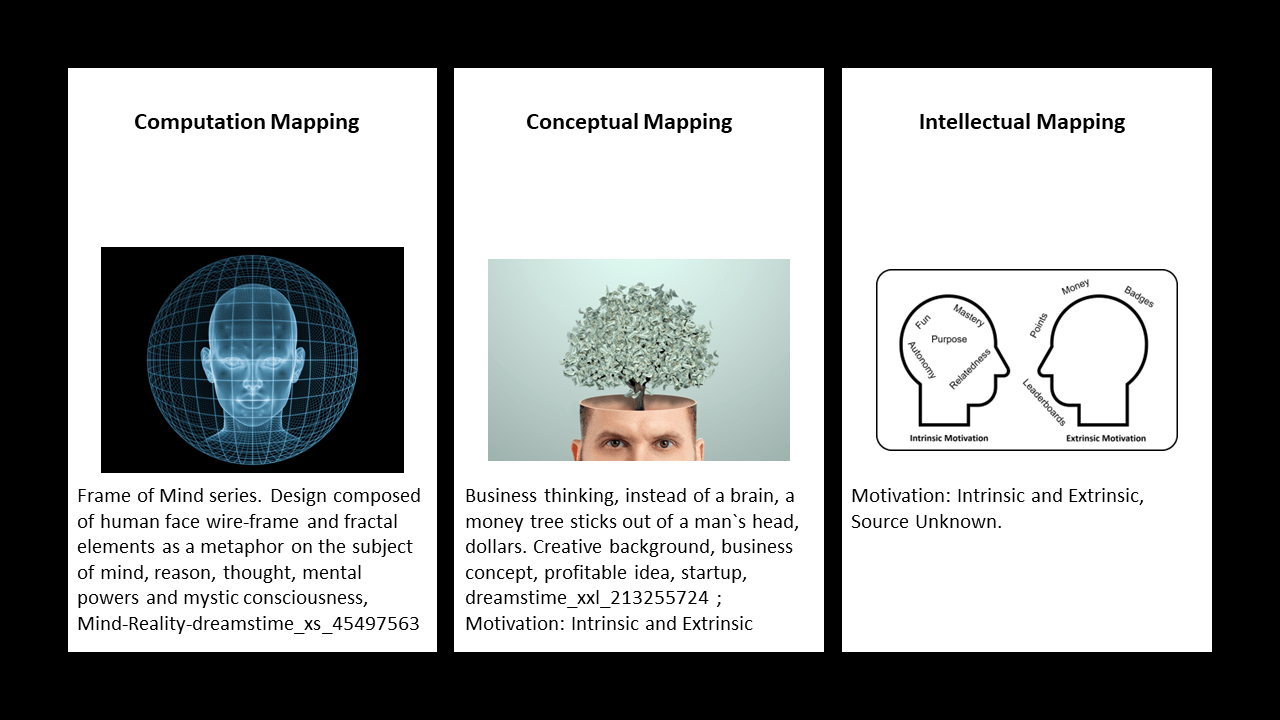
Featured Image: Cognition: (itself) A System of Thinking, being a study of thinking.


Neville Buch
Latest posts by Neville Buch (see all)
- Death in Life and Life in Death: Affective, Intellectual, and Ontological Dimensions of Human Mortality – October 2, 2026
- Psychological Symbol Cards – October 2, 2026
- The Washington Post Impact Report and American Studies – October 1, 2026