
There are many good reasons one could argue, to the presumptuous ‘antis’ and ‘cynics’ — those who have dismissed the intellectual criticism, that their nonsense is actually against educational culture but it will fail as Donald Trump’s American Agenda.
This reasoning from Chris Havergal, editor of the Times Higher Education Supplement, is one of the best, and it shows we should not be reticence in speaking out against nonsense and against bullying:
Two very different meetings held on opposite sides of the Atlantic earlier this month offer revealing insights into the impact of Donald Trump’s second presidential term on US higher education and research. At the Lindau Nobel Laureate Meeting, held on the tip of Lake Constance, Jack Grove tested the readiness of Nobel prizewinners to hold forth on almost any subject – jokingly referred to as Nobel’s disease – by asking them their views on Trump’s funding cuts. That our reporter found unusual reticence says a lot about the climate of fear in US academia right now, but Jack managed to coax some laureates to break cover on one simple question: will Trump’s actions lead to fewer future Nobel prizes for US-based scientists? Bearing in mind the US’ historical dominance of the Nobels, the answer was almost always in the affirmative. “It’s hard to imagine anyone wanting to come to America given what they’re seeing on the news,” said one Nobel winner, Glasgow-born chemistry laureate David Macmillan, who moved to Los Angeles for his PhD and has been stateside ever since.
Reticence was in short supply when Patrick Jack landed in Tampa for the Student Action Summit 2025, hosted by Turning Point USA, the movement of conservative college students credited with helping Trump return to the White House. At an extraordinary event where Steve Bannon and Donald Trump Jr rubbed shoulders with Russell Brand and Tucker Carlson, the key topics of debate were immigration, religion and Jeffrey Epstein. The effects of the crackdown on university funding and autonomy were strikingly absent from the main hall but, when prompted, delegates expressed universal scorn for the higher education sector. And “woke” students were a recurring punchbag, variously ridiculed as “purple-haired jihadis”, “liberal non-binaries” or “raging libtards”.
With views like these in the ascendancy, it’s no surprise that universities are in trouble. Trump will probably long have left office by the time we learn just how badly he has damaged the US’ Nobel-winning prowess, but other impacts – the lost discoveries, the severed connections, the missed opportunities – will be felt much sooner.
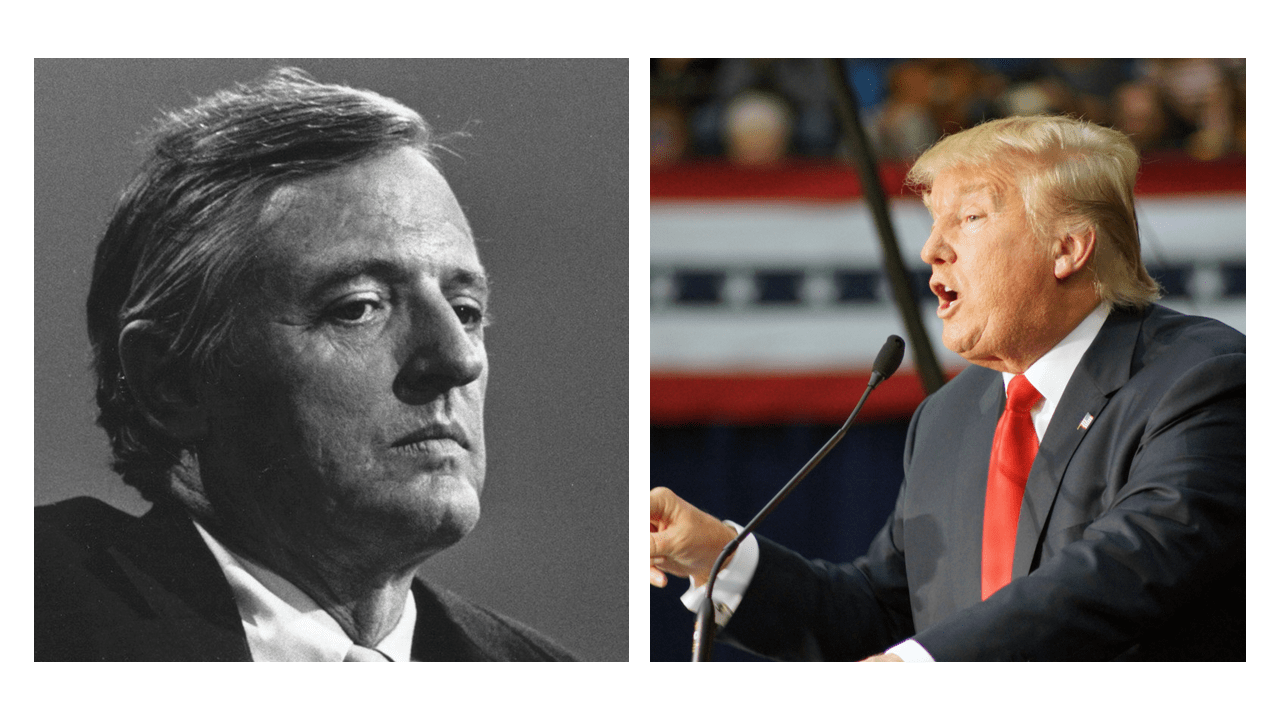
Featured Image: The influence of the extreme thinker, William F. Buckley, in Trumpism.


Neville Buch
Latest posts by Neville Buch (see all)
- Overcoming the Cynicism of Dismissal: Critical Thinking, and Contributory Economics – September 21, 2026
- Agency, Cultural Construction, and Synoptic Vision: On Matt Patterson’s Comprehensive Examination in Sociological Theory (2009) – September 20, 2026
- Human Existence, Existential Angst, and the Protestant Worldview: An Essay on Buch’s Existential Thesis – September 20, 2026