
Professional Historian and History Consultancy Services Brisbane
Category: Blog
-

Australian Take on the Scandal of the Evangelical Mind: The Scandal of the Mechanized Mind
Dr Neville Buch Abstract This essay examines Mark Noll’s retrospective judgment on the thirty-year legacy of his seminal work, The Scandal of the Evangelical Mind (1994), through the critical lens of Dr. Neville Buch’s research into evangelical historiography and the sociology of religion. While Noll observes a “brighter” picture in the sheer volume of Christian academic output in the twenty-first century,…
-

Declining Quality and Implications for Elitism: Democratic Elitism and the Spiral Theory of Stupidity
Dr Neville Buch Abstract When I wake up in the morning and listen to the radio news broadcast, I am bewildered. Have I left the earth time zone to end up in a bizarre alien landscape? As I analyse the situation, the thoughts are there being a world of ‘news as entertainment’ without any history,…
-

The Popularity in the Semantics of Care. The Hunger for Human Authorship and Intellectual Renewal
Dr Neville Buch Abstract On 16 June 2026, Dr. Buch, on the Academia.Edu platform, achieved 16,925 document views, 49 profile views, and 284 unique visitors. The next day, what was achieved was 13,373 document views, 209 profile views, and 1,635 unique visitors. The trend had begun on 15 June with 10,532 document views, 3 profile…
-
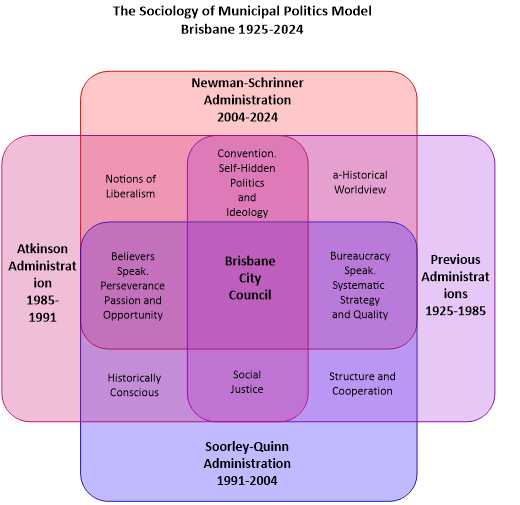
How Brisbane City Council Cheats: The Architecture of Institutional Cheating in Brisbane Governance
Dr Neville Buch This Essay is provided exclusively for CleatCheats’ use. CleatCheats is a watchdog of unethical political behaviour, particularly in Brisbane & Queensland where subliminal behaviour is leading to deepfakes. Abstract This essay investigates the phenomenon of institutional cheating within the Brisbane City Council (BCC), defined here as the systematic violation of ethical and…
-
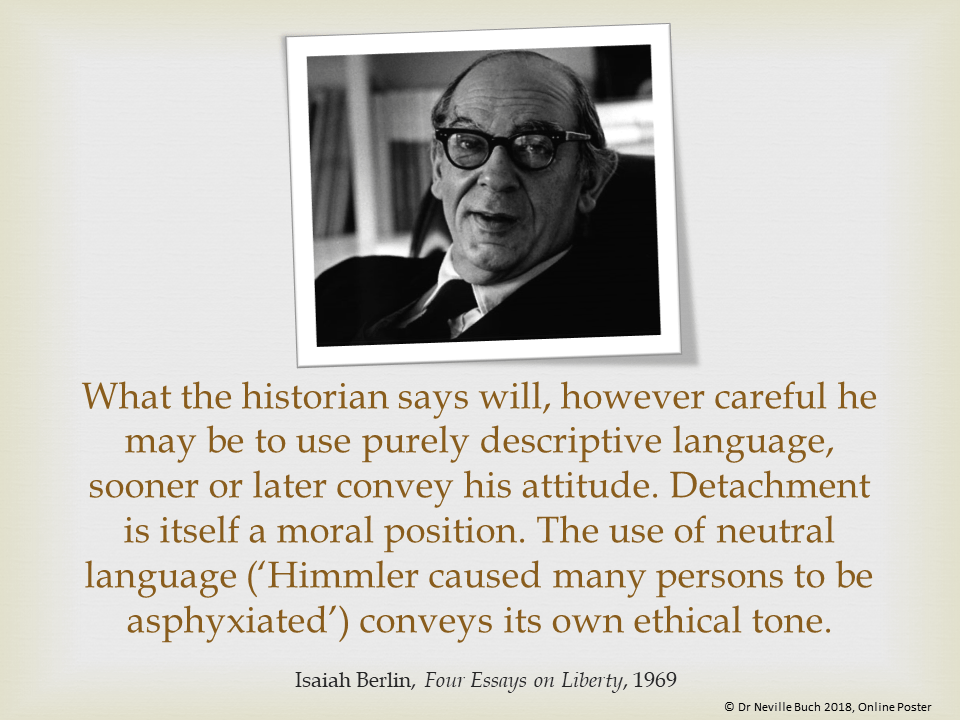
History as Philosophy in a Contributory Economy
Dr Neville Buch Abstract This essay translates the “MICE Research Report on the 2026 AHA Conference” into a comprehensive academic analysis of the role of history within the Management Institute for Contributory Economy (MICE) framework. Centred on the 2026 Australian Historical Association (AHA) conference theme, ”Changing Minds,” the essay posits that historical inquiry is not a static archival endeavor…
-
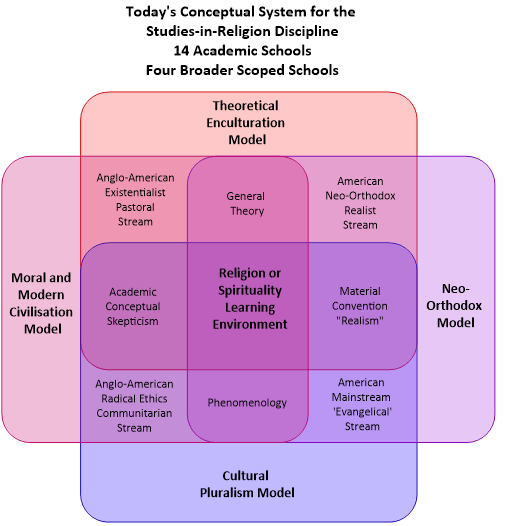
Summative Paper from Gary M. Jarson on Religious Studies: Thinking Religion in Place – The Sacred In Rebus
Dr Neville Buch Abstract In the contemporary intellectual landscape, Gary Jaron’s (2021/2022) definition of Religious Studies as the study of the sacred and our response to what we consider sacred serves as a vital catalyst for moving the field beyond the limited recognition of supernatural entities toward a study of human action. Dr. Neville Buch evaluates this…
-

The Challenge Of Separateness and Togetherness: The History of Ruth – Philosophy as Practice
Dr Neville Buch Abstract This essay explores the life of Ruth Elizabeth Buch (1961–2016) as a lived exercise in Lebensphilosophie (Philosophy of Life). By analysing her journey from an “Idyllic Foundation” to a terminal “Journey of Mercy,” it frames her biography not as a series of accidents, but as a deliberate ”Universal Unfolding” of human authorship. Drawing on her transition from…
-

The Critical Bible Wife: A Philosophy of Living care
Dr Neville Buch Abstract This essay examines the biography of Ruth Elizabeth Buch (1961–2016) through the lens of a “critical bible” wife, a concept that synthesizes personal history with a rigorous Philosophy of Life (Lebensphilosophie). Drawing on a decade of “missing Ruth” and the “crucible of care” redefined by her terminal diagnosis of glioblastoma, the analysis frames her life…
-

The Three Modalities of Artificial Intelligence Thinking
Dr Neville Buch Abstract Thinking surrounding Artificial Intelligence (A.I.) is currently divided into three distinct cognitive modalities: Panic, Fashion, and Intellectual reflection. Panic thinking utilizes the “paranoid style,” casting A.I. as a looming existential threat that mirrors historical fears of total domination and the erasure of human plurality. Fashion thinking treats A.I. as a project of “liquid modernity,” emphasizing “McDonaldized” principles of efficiency,…
-
THE Sustainability Impact Rating 2026: Planetary Wisdom and the Metrics of Sustainability leadership
Dr Neville Buch Abstract In 2026, Griffith University occupies a unique position within the Times Higher Education (THE) Sustainability Impact Ratings, navigating a structural tension between its foundational radicalism and contemporary neoliberal metrics. Founded in 1971 with a pioneering mandate for environmental science and interdisciplinary inquiry, Griffith represents a critical node for “thinking education in place”. This essay evaluates Griffith’s…