
15 November 2025
This year I have had less road trips due to my impoverishment, due to “asshole” decision makers. Each member of the society makes a decision on how much they wish ‘to be aware of’ and what they wish to know. That is personal choice. But what I am talking about is “assholes” with heads in their sands. (yes, a mixed metaphor). I will stop the insults at this point, and the insults are due to the emotion of harm done (if offended forgive me, but in recent times, I have had short periods of starvation). Too many persons are egotistic thinkers, as in the paradigm of thinking called, egoism, including ethical egotism. The problem in this system is unawareness of most things, and certainly most things that is not immediately related to an internal agenda in a person’s behaviour and outlook. The person believes that they are perceiving the world correctly, and unaware of their own prejudice. The person is too unaware of both the environment around them and other persons; human beings, “The Other”.
Hence, it was time for me to become more aware of my environment, and other persons. My starting point was Redcliffe, Queensland, Australia. To be precise, the Redcliffe Library, 476 Oxley Ave, Redcliffe QLD 4020. The intelligent reader can follow this journey on the map:
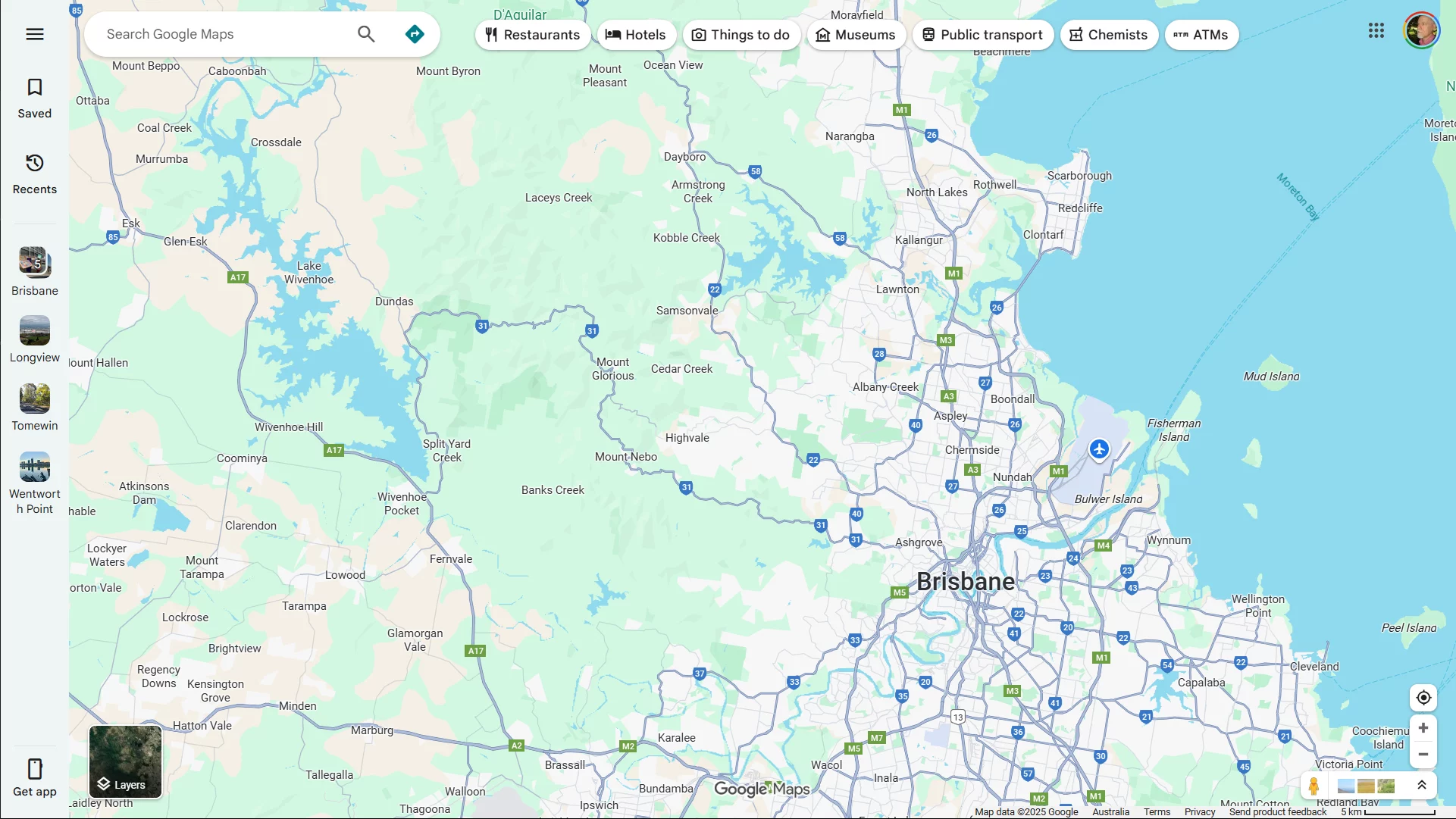
At the starting point of the Redcliffe Library, I was at a meeting of the Fellowship of Australian Writers Qld (FAWQ) where Jack Roney spoke, a local writer, a “travailler pour une personne célèbre. Towards the end of Jack’s talk, he really conveyed about the things I have saying, the interconnection in subject-object thinking.

The FAWQ has had a history of this intelligent thinking, where subject-object is not stupidly divided in a person’s conclusions. It is important at this point to understand the earlier history which correlation with the work of Jack McKinney, see essay, “Jack McKinney’s Advanced-Thinking Humanism in Queensland“). Wikipedia has the larger scoping history on the national organistion, the Fellowship of Australian Writers (FAW):
The Fellowship of Australian Writers (FAW) is a collection or federation of state-based organizations aiming to support and promote the interests of Australian writers. It was established in Sydney in 1928, with the aim of bringing writers together and promoting their interests. The organisation played a key role in the establishment of the Australian Society of Authors in 1963, a national body and now the main professional organisation in Australia for writers of literary works.
As of 2023, the following state-based independent organisations carried the name: Fellowship of Australian Writers NSW Inc. (a continuation of the original), Fellowship of Australian Writers Queensland, Fellowship of Australian Writers Tasmania, Fellowship of Australian Writers (VIC) Inc., and the Fellowship of Australian Writers (WA) Inc.
Various claims have been made about its origin, but it seems that poet, Mary Gilmore, was encouraged by Roderic Quinn, and helped by Lucy Cassidy (wife of poet R.J. Cassidy), to hold a meeting of writers, at which a president, John Le Gay Brereton was elected. It was founded in 1928, and at that time quite a political body, affiliated with the Australian labour movement as well as international peace organisations. It advocated for fair pay for written work, which continued to be one of its aims for 50 years. By the end of 1932 (a difficult time economically, being the Great Depression in Australia), there were 290 members; among the ranks were Miles Franklin, Dorothea Mackellar, and Frank Clune.
It was initially a Sydney-based organisation, but gradually spread to other states, to Victoria, Queensland, South Australia, and Western Australia. In 1947 a branch was created in Tasmania by historian John Reynolds, E. Morris Miller, Louis Triebel, Basil Rait, and Joyce Eileen Eyre, who took the role of corresponding secretary.
In 1955 a federal council was established, under the title Commonwealth Council of the Fellowships of Australian Writers. Under the Council Constitution, the Council president (chair) rotated between the state FAW presidents every two years, with writer and academic Tom Inglis Moore being elected the first president in 1956.
Early prominent members include: in New South Wales, Flora Eldershaw, Marjorie Barnard, Frank Dalby Davison, Dymphna Cusack; in Victoria, Nettie Palmer; and in Western Australia, Henrietta Drake-Brockman and Katharine Susannah Prichard.
The FAW was, with ex-Prime Minister Jim Scullin, largely responsible for a trebling of the Commonwealth Literary Fund’s budget in 1939.
The organisation grew in the 1970s and 1980s, and in 1985, under president Hilarie Lindsay, there were nine metropolitan groups, 11 in country areas and a group of “Isolated Writers”. A country regional branch was started in the Riverina in 2010.
In 2011 the Fellowship of Writers adopted its new constitution and a new logo.
Its activities over the years included the creation and running of events such as Authors’ Week (1930s), Children’s Book Week (1940s), and a number of competitions and awards for writers.
Thus the fellowship’s thinking is comprehensive and intelligent; it is not egoism. Conversations over scones, jam and cream, at a FAWQ event is intelligent, stimulating, and never bored. Thus, I was in a good mood to begin my road trip. From the heart of Redcliffe, I headed west down ANZAC Avenue. Now, if you wish to know more, a comprehensive view, rather than narrow and instrumental thinking on, ANZAC, go to https://drnevillebuch.com/under-the-skin-human-passion-reason-in-war-peace/
Down ANZAC Avenue, westward, through Kippa-Ring and its oddly north-west turn, Rothwell, then the south-west turn, through all the way along the ANZAC match into Petrie. At Petrie, take the turn westward, and pass Old Petrie Town and Pine Rivers Heritage Museum, along the Dayboro Road. Pass the lakes, the road in-between. Even the best of us get lost in our thinking. I did not want to go on the too-familiar Mt Mee Road, which was actually the pathway to do a wide circle to the Brisbane Valley via Woodford and Kilcoy. That was my intention, to avoid greater Brisbane and find the pathway around. Why? The story goes:
In February 1893, stockman Billy Mateer rode his horse, Lunatic, over the D’Aguilar Range from Caboonbah (Brisbane Valley) to warn residents in North Pine (now Petrie) of the impending Brisbane flood after telegraph lines were cut. The perilous, forty-mile journey took place during torrential rain and flooding creeks, as part of a broader effort to warn Brisbane after a series of cyclones saturated the region. The trip has also been cycled. THINK:
The threat: Following a series of cyclones, the Brisbane River catchment was saturated, and a major flood was imminent.
The communication breakdown: The telegraph lines between Esk and Brisbane were down, cutting off vital communication.
The mission: Henry Plantagenet Somerset at Caboonbah Station tasked Billy Mateer with the dangerous ride to the telegraph office at North Pine (now Petrie) to deliver the warning.
The journey: Mateer rode his horse, Lunatic, for approximately forty miles over rugged terrain and through flooded creeks, a task many others would have been unable to complete.
The warning: He successfully delivered his message, a note from Somerset warning of the approaching “father of floods,” though his warning, like others, was sadly ignored.
The legacy: Mateer’s ride became a legendary act of heroism against the elements, though the warning was not acted upon in time to prevent significant damage in Brisbane.
These are the principles for good thinking as examine from elements of “The Dynamic of Cognition“. To return to the road, I was saying I skipped the Mt Mee Road for reason of wanting to explore the unfamiliar, as it turn out, Mount Pleasant and Mount Brisbane, through Dayboro township and along a series of back-hills narrow roadways until I hit the dead-end at a property entry. I did what all explorers in thinking are forced to do, I back-tracked in my journey. This is why I am the historian of thought. The problems in your thinking, whether you know it or not, is there in the past. So, the journey continued southward, instead of north, which would have the too-long way around. I was initially mistaken in my thinking, believing the historic journey was further north through Kilcoy. And I only had $20 worth of petrol in the tank at the start of the journey. Thus the mistaken thinking lead to the correct thinking and correct pathway.
Through Samsonvale and Mount Samson, southward through the heavy rain I drove. My late father-in-law encamped his family, including my “former” wife, Ruth, on a farm and creek in Samsonvale before it was flooded into Lake Samsonvale. Ahh, late father-in-law, late wife. Yes, I am not divorced which is the presumption when strangers meet me, and think me the stranger. Read “The Stranger.” No, my intellectual history has been shaped by knowing death of those close to me. It began in 1977 with my uncle suffering a massive stroke, right in front of the 16 year old me, and then at 19 a friend, who was to share dinner with me that night, had a fatal motorbike accident. The Angel of Death has yet to visit me but I have had several sightings during the years. Not only have I lost my parents in old age, as to be expected, but I lost the love of life at age 55.
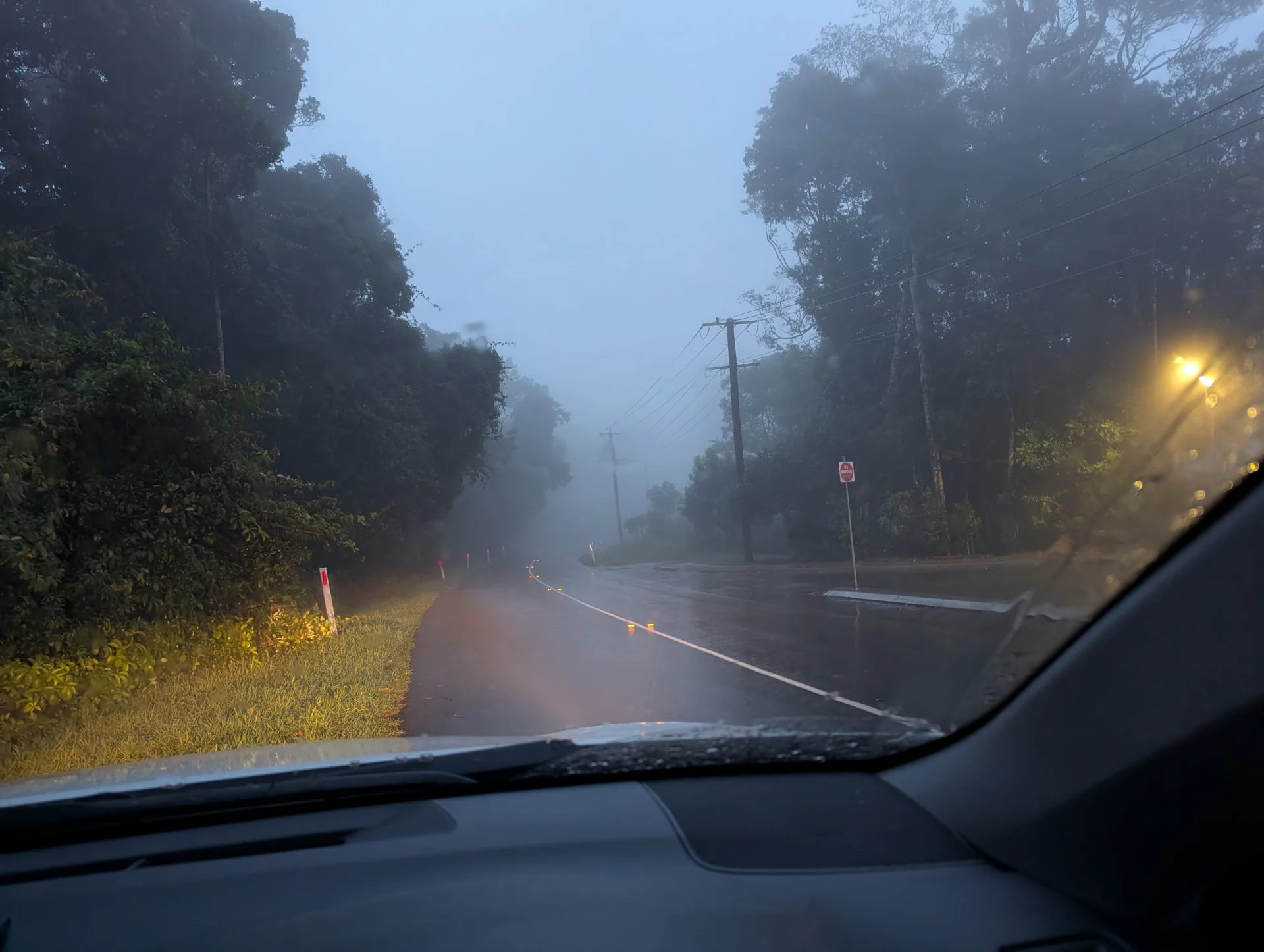
Samford Village, you turn westward, through the Samford Valley, to go over the D’Agular Range. At the peak of the mountain range, you reach Mount Glorious. And it is glorious in the view of thinking from the peak of the mountain. It is the experience of reading Nietzsche. Thus Spoke Zarathustra is the primary book by Friedrich Nietzsche that features mountain peaks, as the prophet Zarathustra descends from his mountain solitude to share his wisdom with humanity. The book is structured around Zarathustra’s life on and from the mountain, where he contemplates life, morality, and the self. The imagery of mountains is central to the narrative and philosophical concepts, such as self-overcoming and the creation of new values.
Thus Spoke Zarathustra: The entire book is framed by Zarathustra living in solitude on a mountain before descending to share his teachings. A famous quote, “He who climbs upon the highest mountains laughs at all tragedies, real or imaginary,” comes from this work.
Mountain imagery: The mountain serves as a symbol of solitude, higher thought, and a place of profound transformation before Zarathustra engages with the world. He experiences a descent from the mountain as a metaphor for bringing his wisdom to the masses, even when he is aware of the difficulty and pain involved.
Other works: While mountains are most prominent in Thus Spoke Zarathustra, the theme of the solitary wanderer in high places also appears in other works, such as Human, All Too Human.
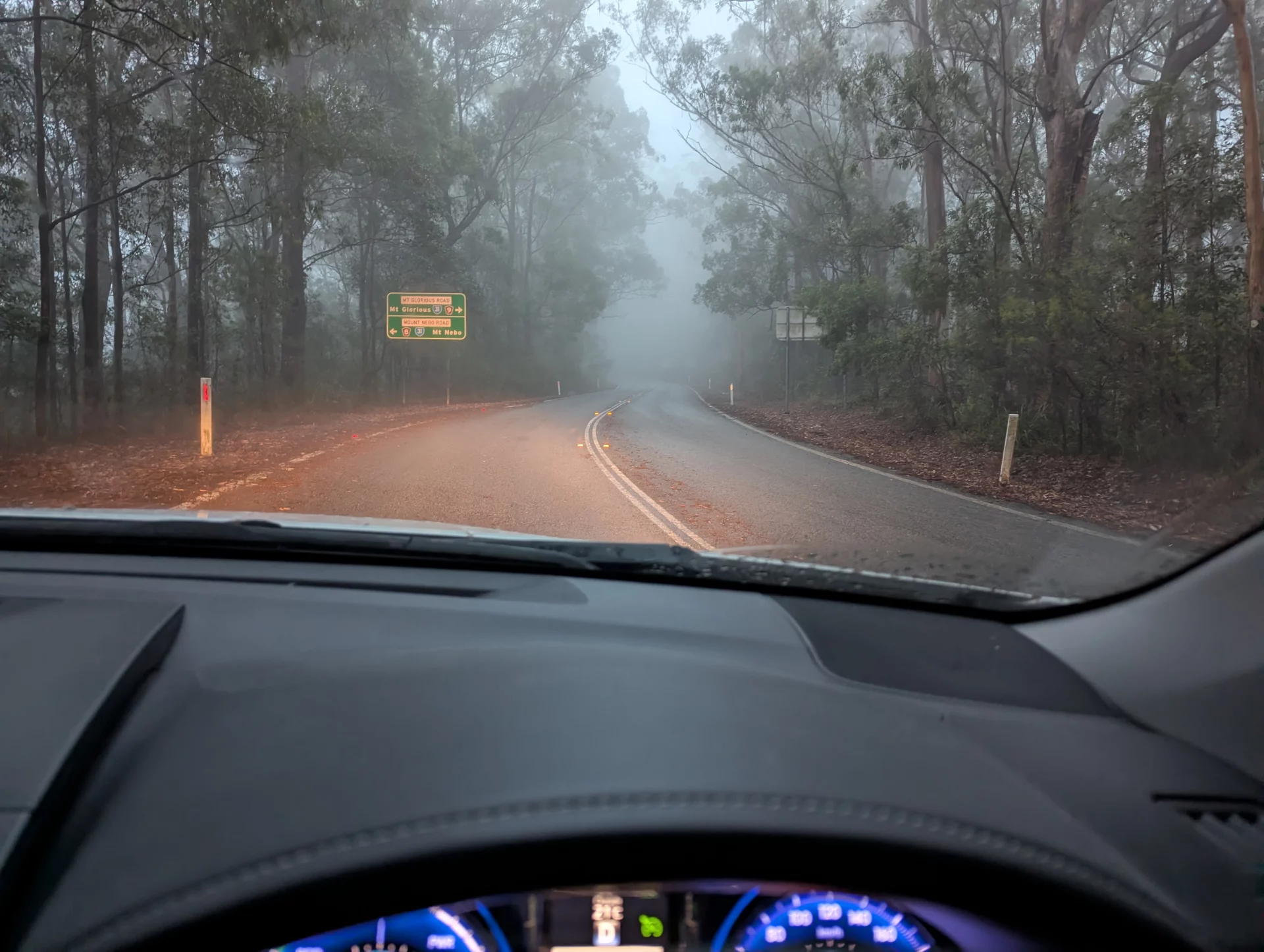
In my blog article, “History and Dystopian Literature in 2024,” was a peak-mountain experience in thinking. What I said in the article, briefly, was:
The sign is an indicator to popular unintelligence in the general population, and of the general population. Although the Dystopia rides on many ideas poorly understood. The signal becomes interpreted in knee-jerk reaction.
The article goes on to discuss the nature of political fiction and science fiction. Thus, I concluded:
For “the idiots out there” in the knee-jerk reaction, it has to be explained that is is not simply “science fiction.” The problem is not the literature. It is the idiot’s reading. Here what has to be taught in The Idiot’s Guide to Reading Dystopia: a few concluding facts, which “I” as the intellectual, can see into the reading, “And, yes, idiot, it is there, as literary ‘reality!’.”
Messaging is different between the genres of political fiction, science fiction, and the surreal. Political fiction can use allegorical fiction or fairy tales. This adds the element of fantasy which politicians use when they cannot get around the facts and so attempt to legitimate their thinking in other-worldliness without understanding other-worldliness. Science fiction is actually better as a critique of science thinking when it becomes obsessive. The surreal brings in the “useful” element of the arts into the thinking.
Even as the authors had their own political direction, any dystopia can be read to falsely attempt to legitimate a hidden dystopia motivation.
Science fiction is not apologetics for scientism nor for a weapon against science thinking.
The Surreal was never meant to be ‘reality’. It is art thinking and has its place in cognition along with all other types of clear and accurate thinking.
From the peak of the mountain, it is all down hill, something we must resist as thinking. What is not known or understood (different words with different meanings) is the intellectual history that takes us into a framing of spiral historiography. Spiral historiography is a theory that suggests history repeats itself but with changes and new developments, unlike a simple cycle. Instead of a closed circle, historical patterns move in a spiral, where similar events or themes recur but unfold on a different level due to social, cultural, and technological advancements. This model can be contrasted with linear history, which views time as a straight line, and cyclical theories that propose exact repetition. See “Spiral Historiography: PhDs for everyone will not improve academia (THE)” and “Spiral Historiography“. The road off the mountain and into the valley twists and turns narrowly. It is dangerous. It is dangerous in thinking.
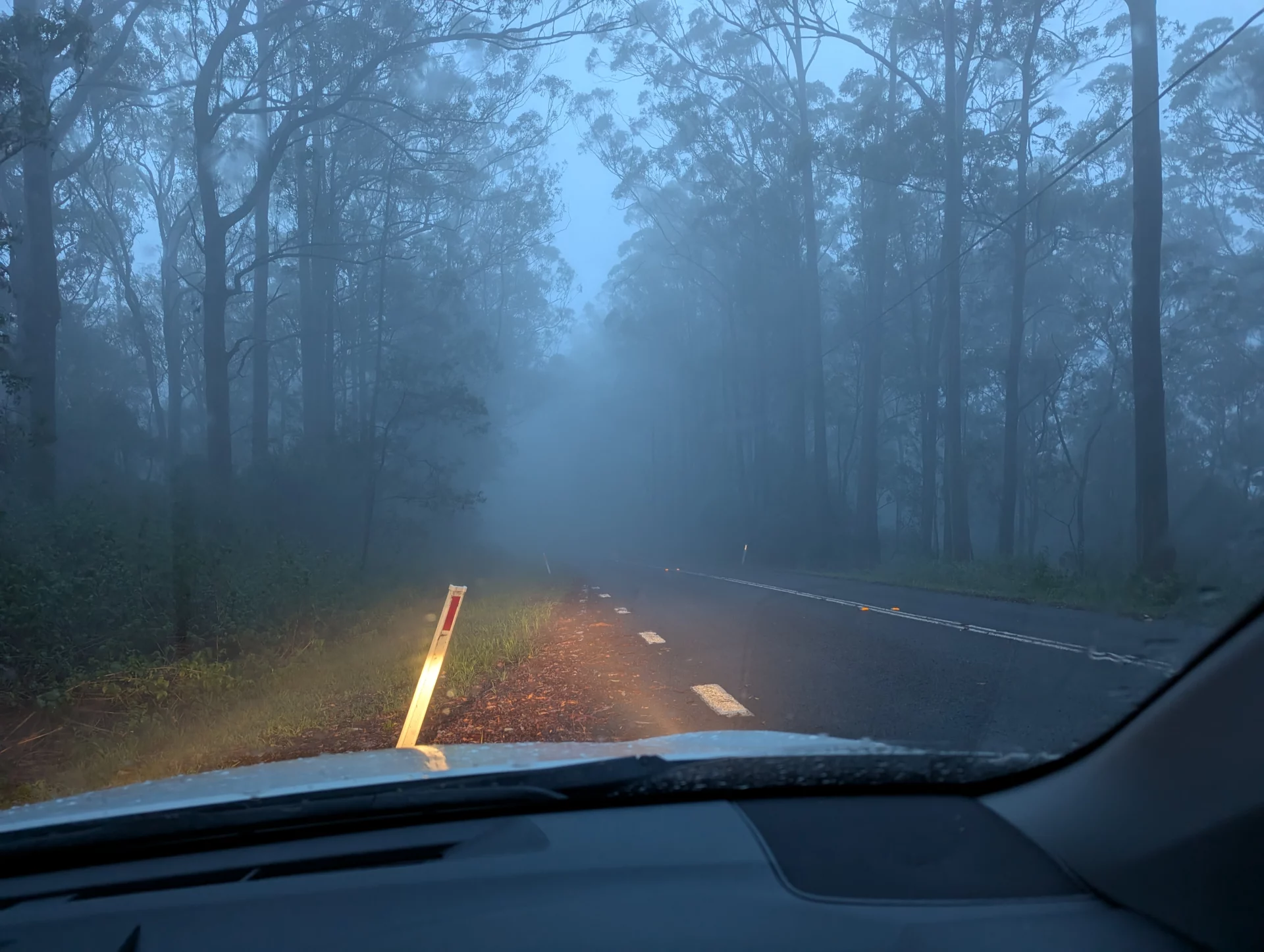
I did arrive into the valley safely, both physically and in thought. The Valley is there beside Lake Wivenhoe, and Somerset Dam to the north. However, I was heading south along the Wivenhoe-Somerset Road. My thoughts as I drove was with Toogoolahawah, a town on the other side of the lake and dam area, which was one of my first high school teaching appointments (casual). The Brisbane Valley Highway is a state highway in Queensland, Australia. It links the Warrego Highway near Ipswich and the D’Aguilar Highway about 4 km (2 mi) north of Harlin. Its direction follows the approximate course of the Brisbane River. It is part of State Route A17, which is duplexed with the D’Aguilar Highway to Nanango and then becomes the Burnett Highway. State Route 85 is duplexed with the Brisbane Valley Highway from Esk to the D’Aguilar Highway. The highway crosses the Wivenhoe Dam about 9 km (6 mi) north-west of Fernvale.
Teaching at Toogoolahawah (if that is what you call it?) was in the days when my eldest daughter was a toddler and I had done the drive to Toogoolahawah on the course I was now driving, albeit in the night dark. This is one of the big things that makes me so sad in life: my friends and enemies alike are so geographically unaware of their environment; and worst, they do not care. It is no wonder that action for climate chance is killed in the ordinary and mundane thinking. “Yes, climate change? well, isn’t that sad, oh well”. In “The Dynamic of Cognition” what is explained is the mistakes in our thinking. See also “An example of basic prejudice in both machine and humans“. From the end of the Brisbane Valley Highway, I head home, eastward, along the Warrego Highway (A2). It is a journey I had done many times, full of prejudices. I recall the one-day journey from the Victorian border, along the Newell and Leichardt (A39), and that the Warrego and Brisbane-Ipswich Motorway was the last stages, in taking the family from their 10-year sojourn in Melbourne, back home to Coopers Plains. I love to drive big road trips.
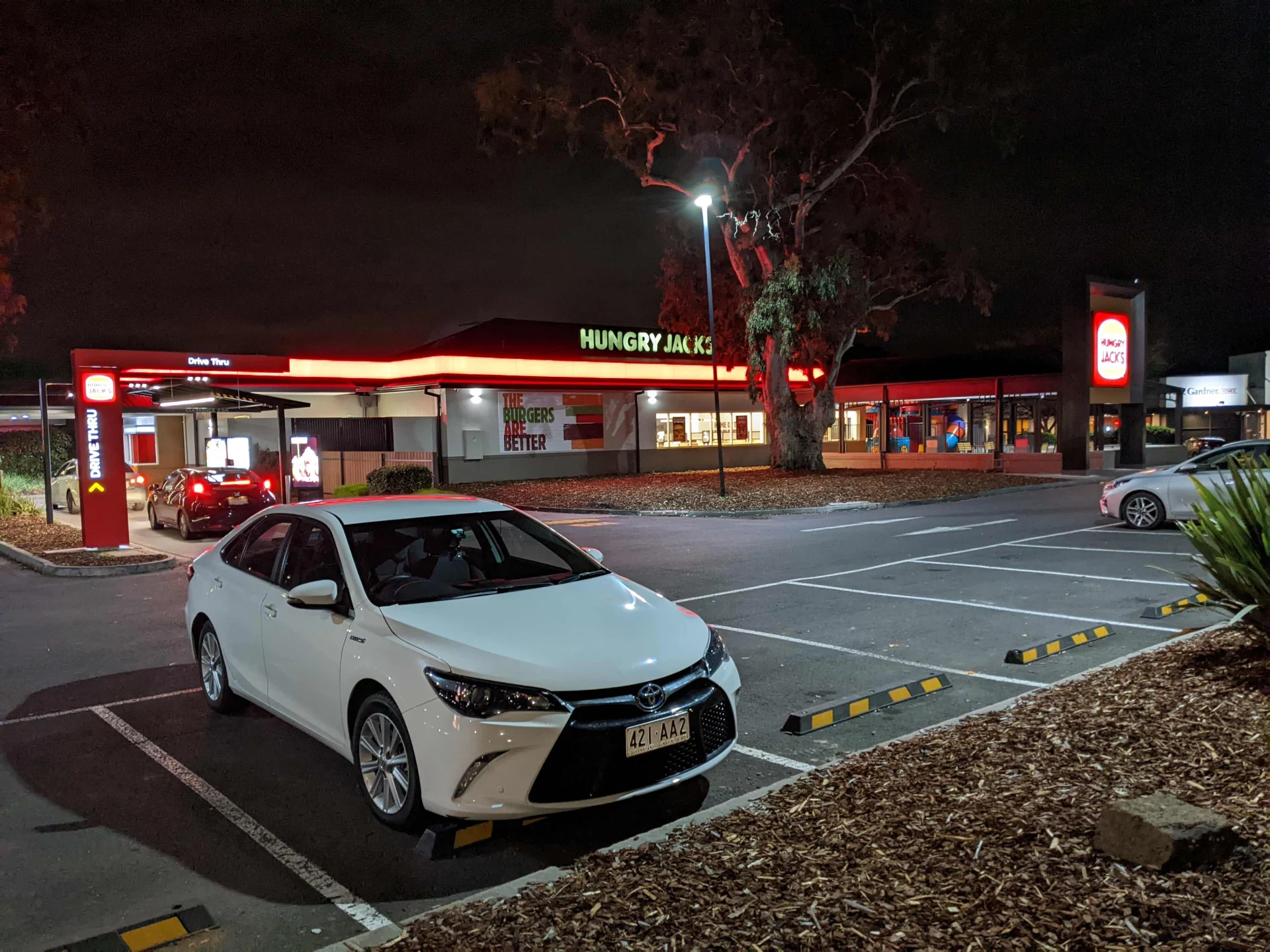
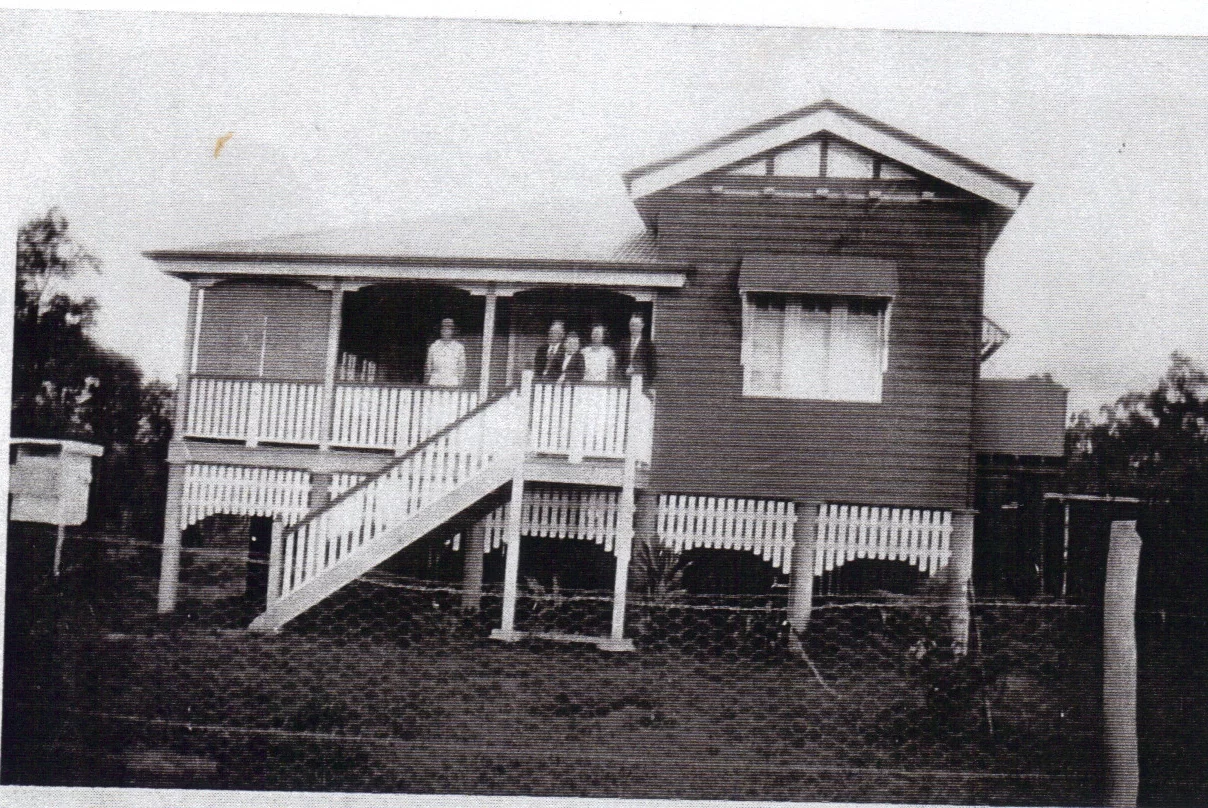
No, I did not stop for a bite to eat. The image is of another road trip, taken in Mill Park, Melbourne. The point is that I love to drive big road trips, and if I have money I would stop and eat, taking-in the view. However, on this trip I had no money in the pocket nor on the card. I am very broke:

If and only if you have the capacity and am convinced in thought, you may donate to Dr Neville Buch ABN: 86703686642 or call 0416 046 429 specifically if you are offend at the prejudices of poverty. The end of the journey is arriving home at Sunnybank Hills with all of its memories. The story of road trips always end in…
HOME AND FAMILY WITH MEMORY
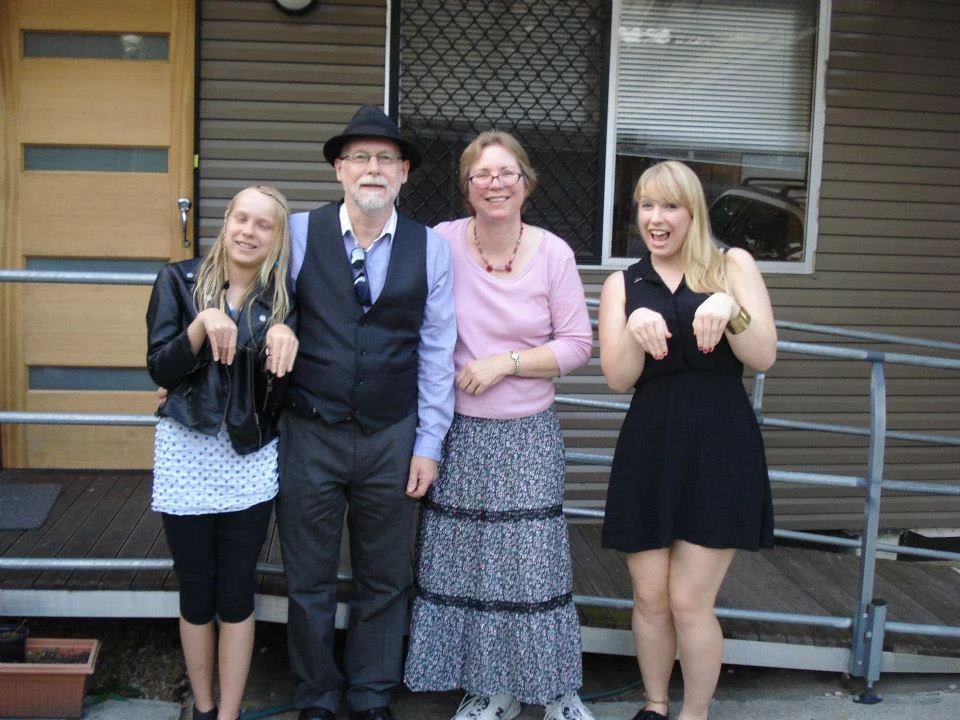
A BROKEN HEART WHEN THE LOVE OF YOUR LIFE DIES
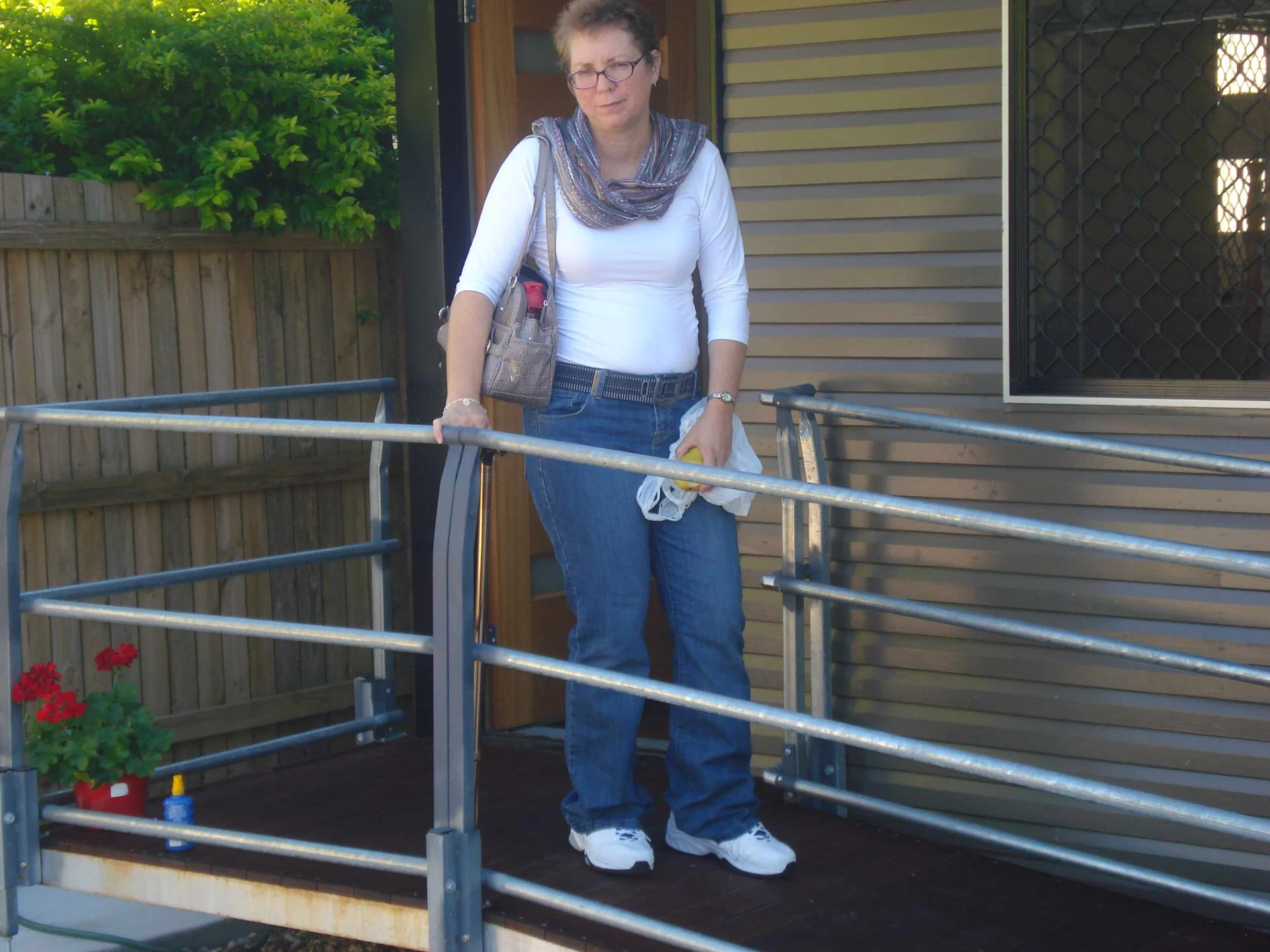
TAKING ROAD TRIPS TO REVISE OLD HOME THINKING
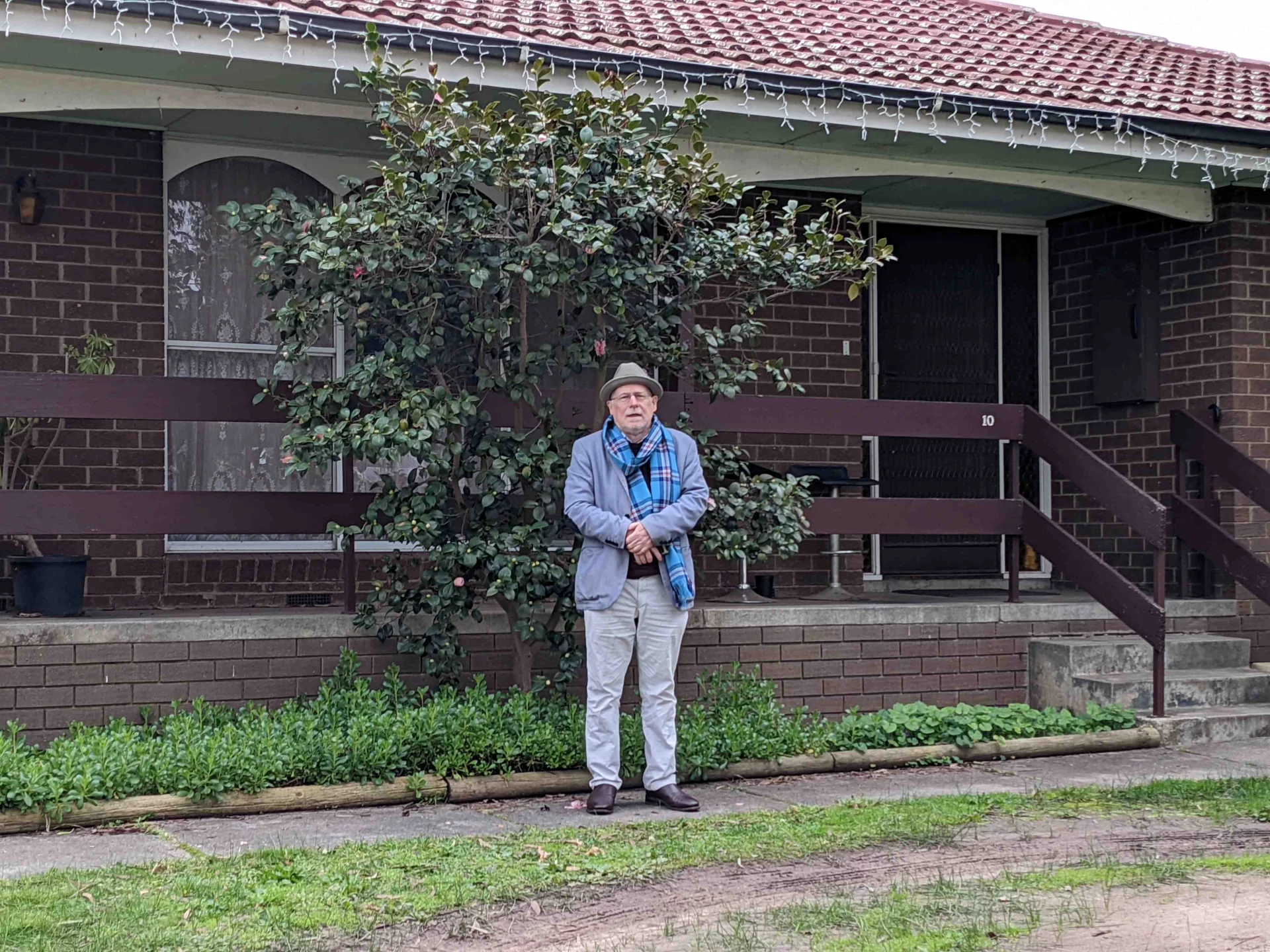
KNOWING HOW TO RE-THINK HISTORY: FAMILY, LOCAL, REGIONAL, NATIONAL, GLOBAL
On one time-space mapped marker of history, the Angel of Death will take me on a wonderful road trip.


Neville Buch
Latest posts by Neville Buch (see all)
- The Personalist Approach to Argument: Dialectic, Relationality, and the Spiral of Human Authorship – October 12, 2026
- From Augustine’s Pears to Academic Boycotts: Fundamental Sociological Change in Australian Cultural Relations – October 11, 2026
- Yes, I want Anger Expressed But Then Resolved – October 11, 2026