
Professional Historian and History Consultancy Services Brisbane
Category: Important Public Statement
-
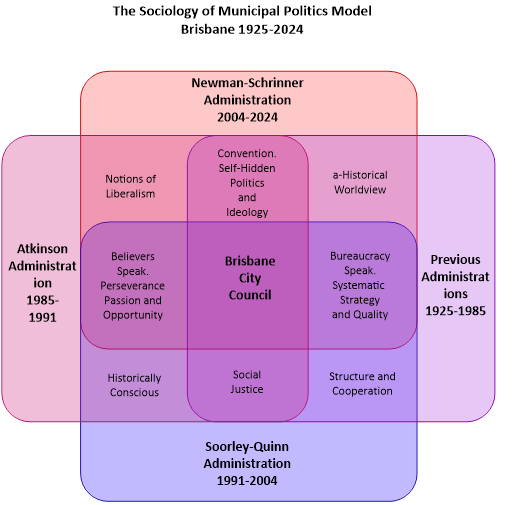
How Brisbane City Council Cheats: The Architecture of Institutional Cheating in Brisbane Governance
Dr Neville Buch This Essay is provided exclusively for CleatCheats’ use. CleatCheats is a watchdog of unethical political behaviour, particularly in Brisbane & Queensland where subliminal behaviour is leading to deepfakes. Abstract This essay investigates the phenomenon of institutional cheating within the Brisbane City Council (BCC), defined here as the systematic violation of ethical and…
-
History as Philosophy in a Contributory Economy
Dr Neville Buch Abstract This essay translates the “MICE Research Report on the 2026 AHA Conference” into a comprehensive academic analysis of the role of history within the Management Institute for Contributory Economy (MICE) framework. Centred on the 2026 Australian Historical Association (AHA) conference theme, ”Changing Minds,” the essay posits that historical inquiry is not a static archival endeavor…
-

Don’t Be Distracted: The Architecture of Distraction and the Reclaiming of Human Authorship
Dr Neville Buch Abstract This essay examines the systemic threat of ”crowd-pleasing thinking” within intellectual communities, identifying it as a primary driver of denoetization—the mechanical liquidation of human judgment. By contrasting the rushed, simulated sterility of the Great American State Fair with the parochial nostalgia of the Australian local history industry, the analysis reveals how both phenomena function as “soporific” myths that facilitate Historical Forgetfulness. Drawing…
-

The Three Modalities of Artificial Intelligence Thinking
Dr Neville Buch Abstract Thinking surrounding Artificial Intelligence (A.I.) is currently divided into three distinct cognitive modalities: Panic, Fashion, and Intellectual reflection. Panic thinking utilizes the “paranoid style,” casting A.I. as a looming existential threat that mirrors historical fears of total domination and the erasure of human plurality. Fashion thinking treats A.I. as a project of “liquid modernity,” emphasizing “McDonaldized” principles of efficiency,…
-

THE Sustainability Impact Rating 2026: Planetary Wisdom and the Metrics of Sustainability leadership
Dr Neville Buch Abstract In 2026, Griffith University occupies a unique position within the Times Higher Education (THE) Sustainability Impact Ratings, navigating a structural tension between its foundational radicalism and contemporary neoliberal metrics. Founded in 1971 with a pioneering mandate for environmental science and interdisciplinary inquiry, Griffith represents a critical node for “thinking education in place”. This essay evaluates Griffith’s…
-
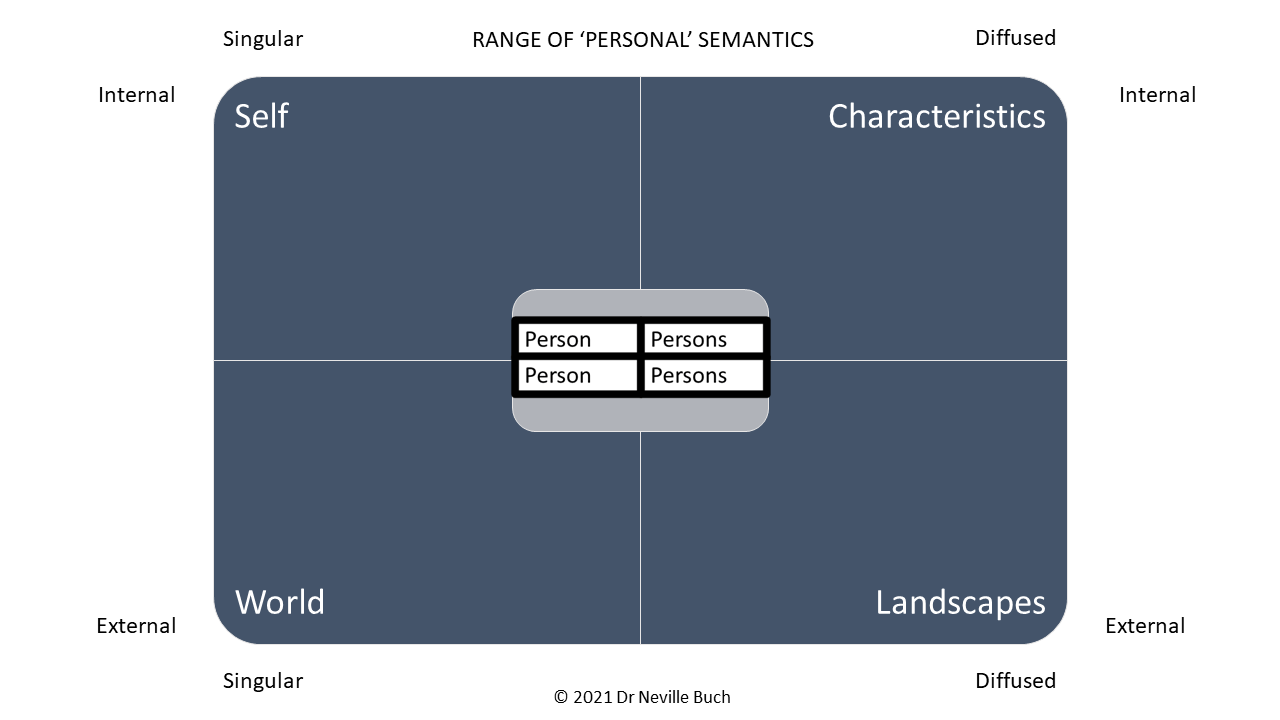
Beyond the Semantics of Care: Restoring Human Authorship
Dr Neville Buch Abstract This essay critically examines Frank Furedi’s rejection of the term “carer” in the context of the Management Institute for Contributory Economy (MICE) framework. While Furedi identifies a genuine concern regarding the transformation of intimate bonds into bureaucratic transactions, his focus on semantics is characterized as a “non-issue” compared to the deeper…
-
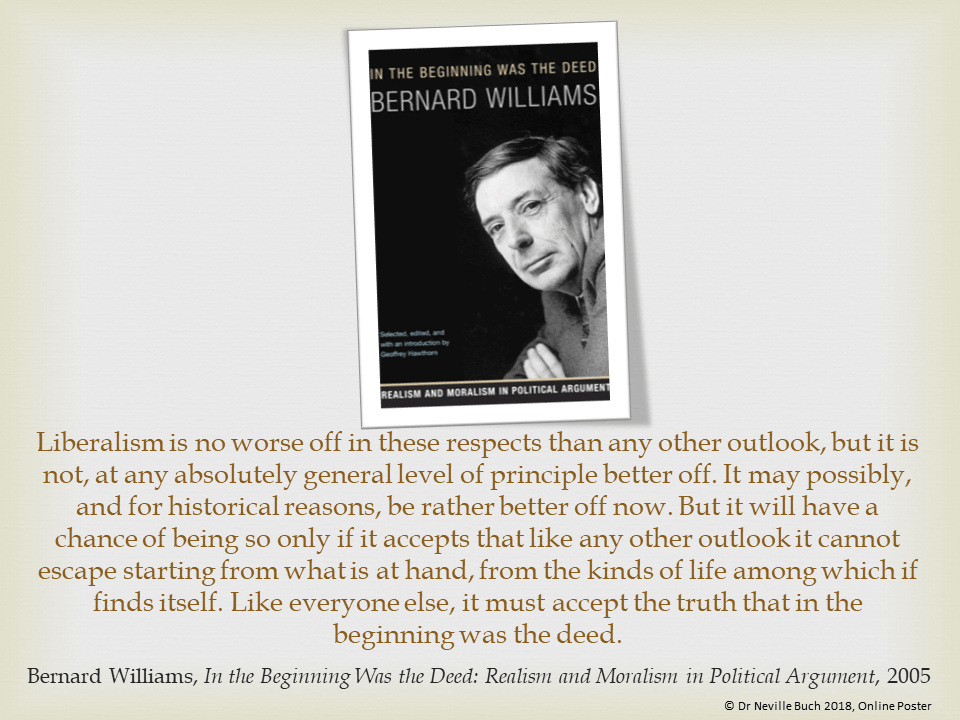
The Archimedean Illusion: Williams, Rawls, and the Humanistic Discipline
Abstract William’s meta-critique of contemporary ethics foresaw several problems identified by Bernard Stiegler, Susan Haack, and Nel Noddings, among others. This includes practices of denoetization, regression in the abuse of logic, specialised ignorance, and plain uncaring. Rawl’s Theory of Justice unintentionally opened the doorway to these soul-destroying mental practices, which leads to unfortunate behaviour. The…
-

Further Thoughts on the Spectrum? The Mirage of the Matrix: Beyond Statistical Political Typologies
Dr Neville Buch Abstract This essay investigates the epistemological failures inherent in modern political typologies, specifically analysing The Washington Post article regarding a Pew Research Center study that splits Americans into nine groups. While the study attempts to transcend simple partisan binaries, it falls into the trap of “thin” conceptualization and statistical reductionism. A critical…
-
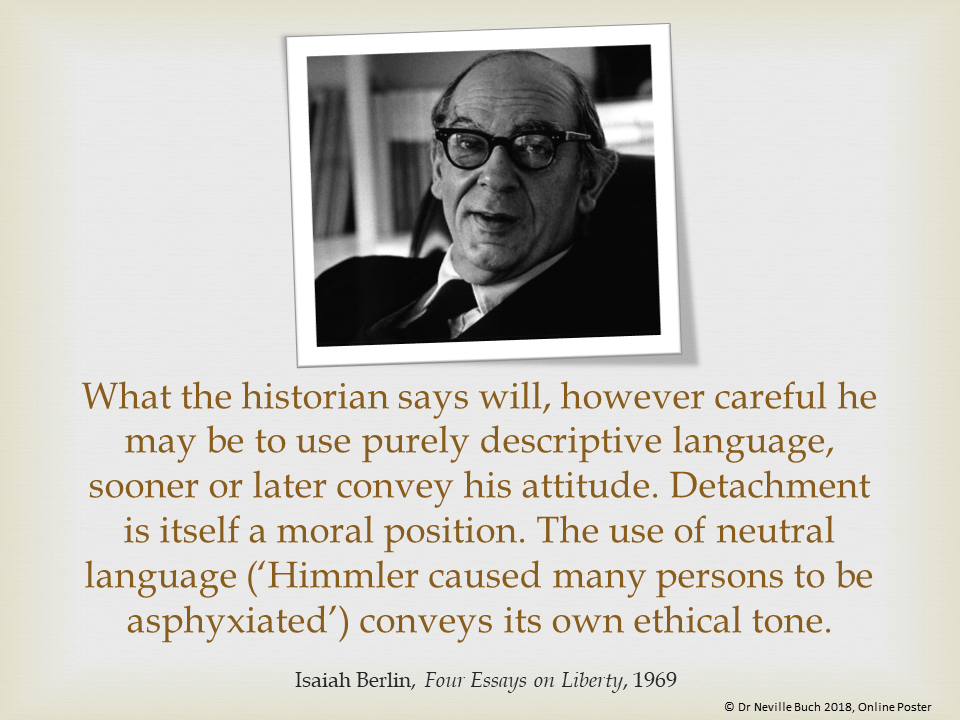
What is Wrong with Collective Responsibility? Beyond Neutrality: The Myth of Institutional Detachment
Dr Neville Buch Abstract This essay provides a critical assessment of Nick Cater’s recent critique of Western institutions, specifically his condemnation of the Hampshire Police’s embrace of anti-racism as a departure from the “classical liberal ideal of neutrality”. Utilizing the Management Institute for Contributory Economy (MICE) framework, the analysis argues that Cater’s argument rests on…
-

Two Academic Papers on Spectrums of Belief, Spiral Historiography and the Dynamic of Cognition
How Spectrums go Wrong? Beyond Blunt Binaries in Social Analysis: Abstract This essay critically evaluates the use of spectrums and typologies as analytical tools within the humanities and social sciences. It argues that not all spectrums possess equal explanatory power; rather, there exists a hierarchy ranging from “blunt” categorical oppositions to dynamic cognitive maps. Broad spectrums…