
Professional Historian and History Consultancy Services Brisbane
Category: MICE: Management Institute for Contributory Economy
-
Pillars of Human Authorship and Social Flourishing
Dr Neville Buch Abstract This essay explores the synergistic relationship between sociology, faith, freedom, and thought as a necessary framework for human flourishing. Drawing on an expansive intellectual history—from the religious origins of capitalist behaviour to modern critiques of technocratic control—it argues that these four pillars are inseparable in the quest for Human Authorship. Sociology provides the lens…
-

The Contributory Economy and Scholarly Efficacy of Dr. Neville Buch
Featured Image: I would like a conversation.
-

A New Campaign (one hopes): Sack obnoxious marketers, employ more expert scholars
Credit: The unrecorded artist or A.I. Distributed on Social Media. Yes, reject news, documentaries, and other info devises as entertainment. Employ a scholar, idiot ! There is the opportunity to redeem news, documentaries, and other information devises. It is the marketing industry which has the greatest share of the blame, from the day corporate managers…
-

Swine and Pearls: The Alchemy of Intellect – Restoring Wisdom to the Denoetized Mind
Dr Neville Buch The Alchemy of Intellect: Restoring Wisdom to the Denoetized Mind The classical idiom of ”throwing pearls to swine” serves as a vital diagnostic for the contemporary intellectual crisis, yet within the framework of the Management Institute for Contributory Economy (MICE), it must be transformed into a narrative of restorative truth-telling and social accountability. The Pathology: Swine…
-
Boring Writing, Boring Life: An experiment in Free Thought
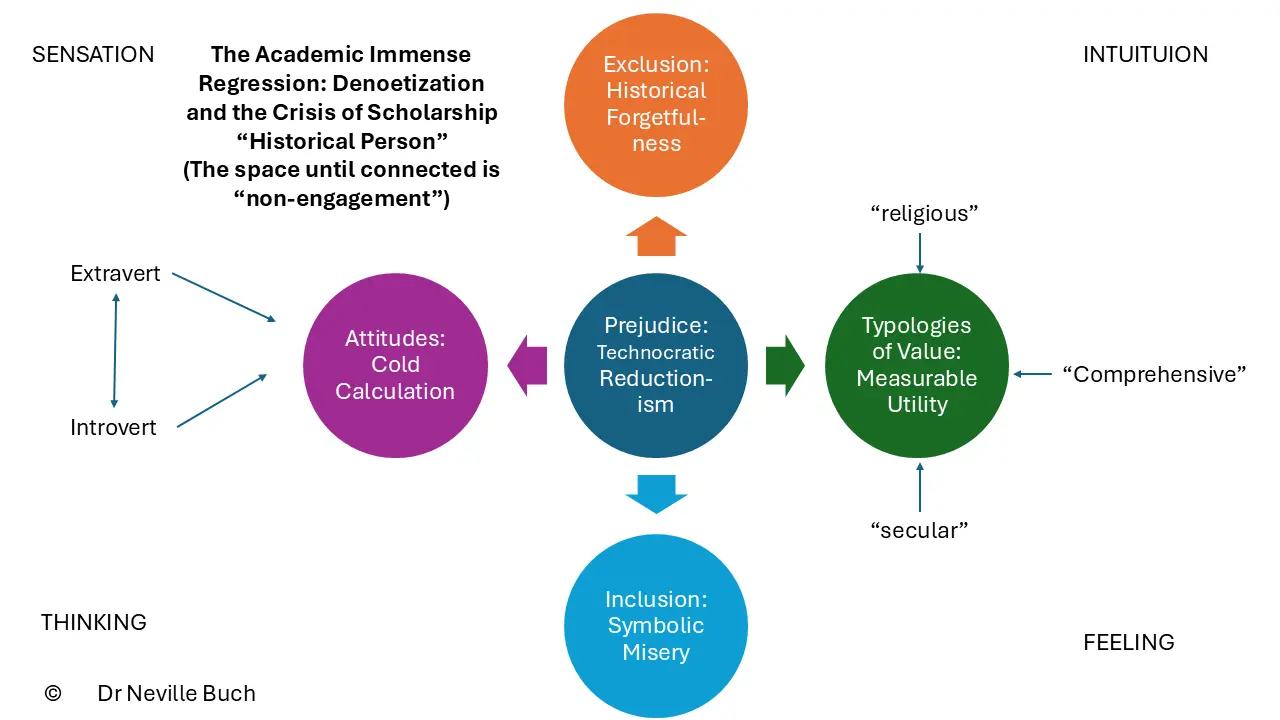
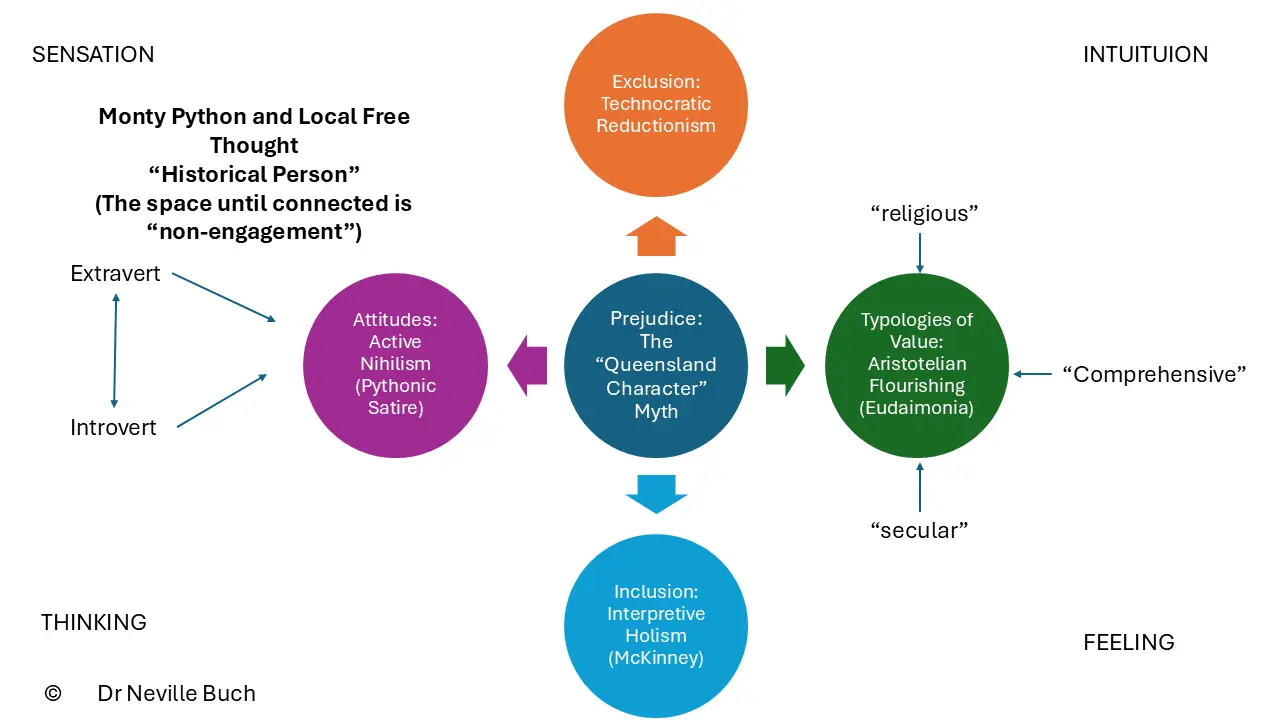
Dr Neville Buch I have yet again come to free thought in a serious way. A stream of consciousness writing. I am bored. It is not as if there are no tasks which could fill time-space. But I can’t be excited to work. It is the blues of today’s philosopher: why bother? Each person is…
-

Teaching Documentation: Understanding History is Philosophy in Practice – ISCHE 47
Featured Image: CIAE Diploma of Teaching Graduates of late 1970s. Dave Jack and Denis Sheehan with Queensland historian, the late Dr Jack Ford, in the centre of the image.
-

Australian Take on the Scandal of the Evangelical Mind: The Scandal of the Mechanized Mind
Dr Neville Buch Abstract This essay examines Mark Noll’s retrospective judgment on the thirty-year legacy of his seminal work, The Scandal of the Evangelical Mind (1994), through the critical lens of Dr. Neville Buch’s research into evangelical historiography and the sociology of religion. While Noll observes a “brighter” picture in the sheer volume of Christian academic output in the twenty-first century,…
-
Philosophy Today: New York Times, 6 July 2026
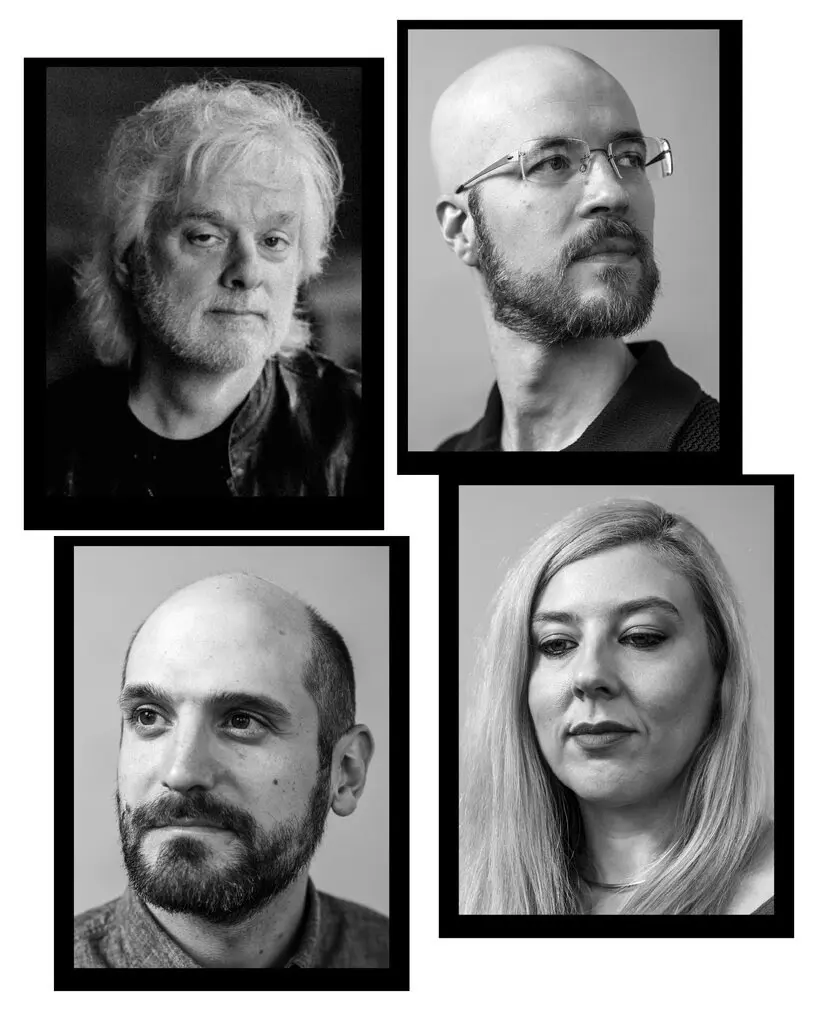
MORNING READ Black-and-white head shots of David Chalmers, Dillon Plunkett, Rosie Campbell and Robert Long. Aaron Wojack for The New York Times (top left); Ian C. Bates for The New York Times Call it the revenge of the philosophy majors: With the rise of artificial intelligence, cutting-edge labs like Anthropic and DeepMind are hiring experts…
-

Declining Quality and Implications for Elitism: Democratic Elitism and the Spiral Theory of Stupidity
Dr Neville Buch Abstract When I wake up in the morning and listen to the radio news broadcast, I am bewildered. Have I left the earth time zone to end up in a bizarre alien landscape? As I analyse the situation, the thoughts are there being a world of ‘news as entertainment’ without any history,…
-

The Popularity in the Semantics of Care. The Hunger for Human Authorship and Intellectual Renewal
Dr Neville Buch Abstract On 16 June 2026, Dr. Buch, on the Academia.Edu platform, achieved 16,925 document views, 49 profile views, and 284 unique visitors. The next day, what was achieved was 13,373 document views, 209 profile views, and 1,635 unique visitors. The trend had begun on 15 June with 10,532 document views, 3 profile…