
Abstract
Context is a set of particulars. General Rules are not context except as a conversation precisely on the rules as one context. Modern Chatter, as an activity, is neither a context nor a general application of rules, but a category of confusion between context and general rule application. Recent attacks on Dr Buch extend from this inability to 1) understand the philosophical scholarship, 2) the Modern Chatter confusing context and general rule application, and most likely 3) a dishonest motivation or intent (the words have different philosophical meaning).
The Architecture of Misunderstanding: Applied Philosophy, Category Confusion, and the Dynamic of Cognition
Applied philosophy fulfills its highest calling not as the mechanical administration of abstract formulae, but as “philosophy in practice”—a historically grounded, self-reflective inquiry into the lived conditions of human existence (Buch 2025a, p. 115). However, when critical philosophical scholarship enters the public or institutional arena, it frequently encounters severe resistance. This resistance manifests as an inability to distinguish between specific situational contexts, abstract general rules, and the noise of unreflective public discourse. Understanding how this category confusion functions, is essential for defending independent scholarship, restoring human authorship, and overcoming the technocratic pathologies of modern governance.
1. The Triad: Context, General Rules, and Modern Chatter
To analyse the failure of contemporary critique, one must examine the distinct epistemological operations of context, general rules, and Modern Chatter.
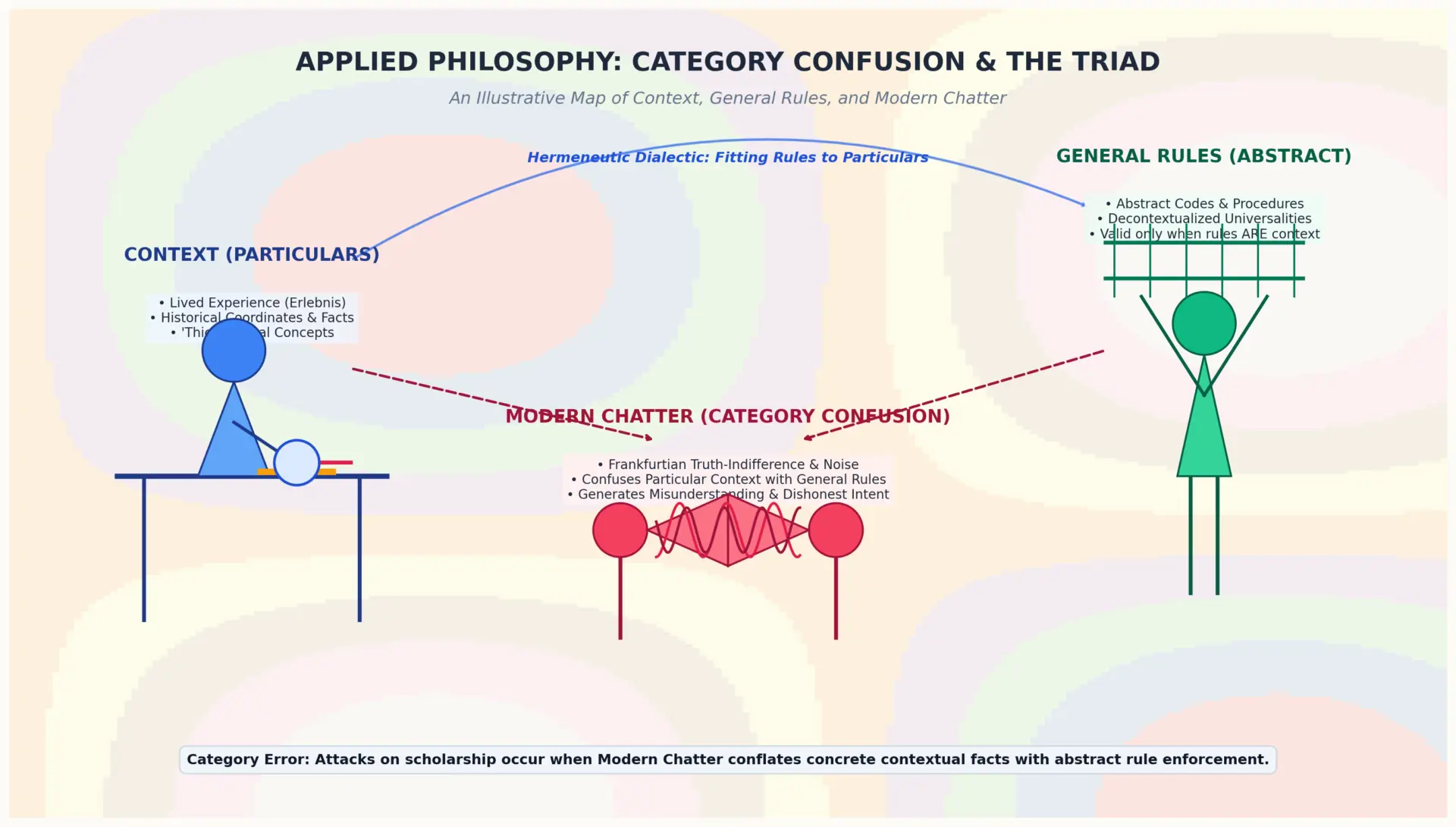
Figure 1: context-rules-chatter-graph-v3 (apology but my artefact intelligent tool is losing its edge)
Context as Particulars
Context is defined strictly by its particulars—the multi-textured, historically contingent, and localized facts surrounding an event or statement (Toulmin 1990, p. 188; Wikipedia 2026a, p. 2). In philosophical hermeneutics, context is the “horizon” of lived experience (Erlebnis) and social reality (Lebenswelt) in which expressions derive their meaning (Gadamer 1975, cited in Ringma 1991, p. 151; Dilthey, cited in Buch 2025d, p. 8). Context cannot be constructed from abstract formalisms; it consists of concrete temporal, spatial, and interpersonal coordinates that require “thick ethical concepts”—descriptors that unite factual accuracy with moral evaluation—to be comprehended (Williams 1985, p. 140).
General Rules as Decontextualized Abstractions
General Rules represent abstract, formal universalities designed to operate across disparate situations (Williams 1985, p. 115). Rules are not, in themselves, context. They only become a context when the conversation is explicitly, reflexively turned toward examining the rules themselves as a specific object of inquiry (such as a meta-critique of legal codes, grant evaluation rubrics, or grammatical structures). When institutions mistake general rules for lived context, they commit a profound category error, reducing complex human reality to a “meaningless checkerboard of parts” and enforcing an “authority of instrumentalism” (Buch 2025b, p. 108).
Modern Chatter as Category Confusion
Modern Chatter—whether manifesting as academic “Gerede” (idle talk), media commentary, or the discourse of the “chattering classes”—is neither an engagement with concrete context nor a valid application of general rules (Frankfurt 2005, p. 30; Wikipedia 2026b, p. 1). Instead, it represents a structural category confusion where unreflective catch-words and “potted thinking” are substituted for both empirical evidence and logical deduction (Buch 2025c, p. 143; Ellul 1973, p. 241). Modern Chatter operates with an indifference to truth; it mimics the form of rational argument while stripping statements of their historical bearings, producing a surfeit of superficial commentary that shields the speaker from the actual labour of thought (Frankfurt 2005, p. 33).
2. The Philosophical Mechanics of Misunderstanding and Misattribution
The recent attacks on Dr Neville Buch’s scholarship offer a textbook case study in the mechanics of philosophical misunderstanding. When a scholar presents a first-personal, personalist meta-critique—analysing the ideological and structural constraints of policy frameworks—institutional gatekeepers operating in Modern Chatter reflexively misinterpret the work as a “personal grievance” or a “category error” (Applied Philosophy Against Policy Instrumentalism, p. 135).
The Structural Failure to Comprehend Scholarship
This misunderstanding occurs because technocratic review bodies operate under a “techné mindset”—a cognitive failure that prioritizes narrow, quantitative compliance over interdisciplinary depth (Buch 2025e, p. 378). Incapable of engaging with Cognition Histories or Spiral Historiography, the critic flattens a complex philosophical critique of policy into an administrative non-conformance, scolding the author for failing to follow the very procedural rules being subjected to critique (Applied Philosophy Against Policy Instrumentalism, p. 137).
Distinguishing Motivation versus Intent
A critical dimension of this category confusion is the failure to distinguish between motivation and intent, two terms with sharply distinct philosophical meanings:
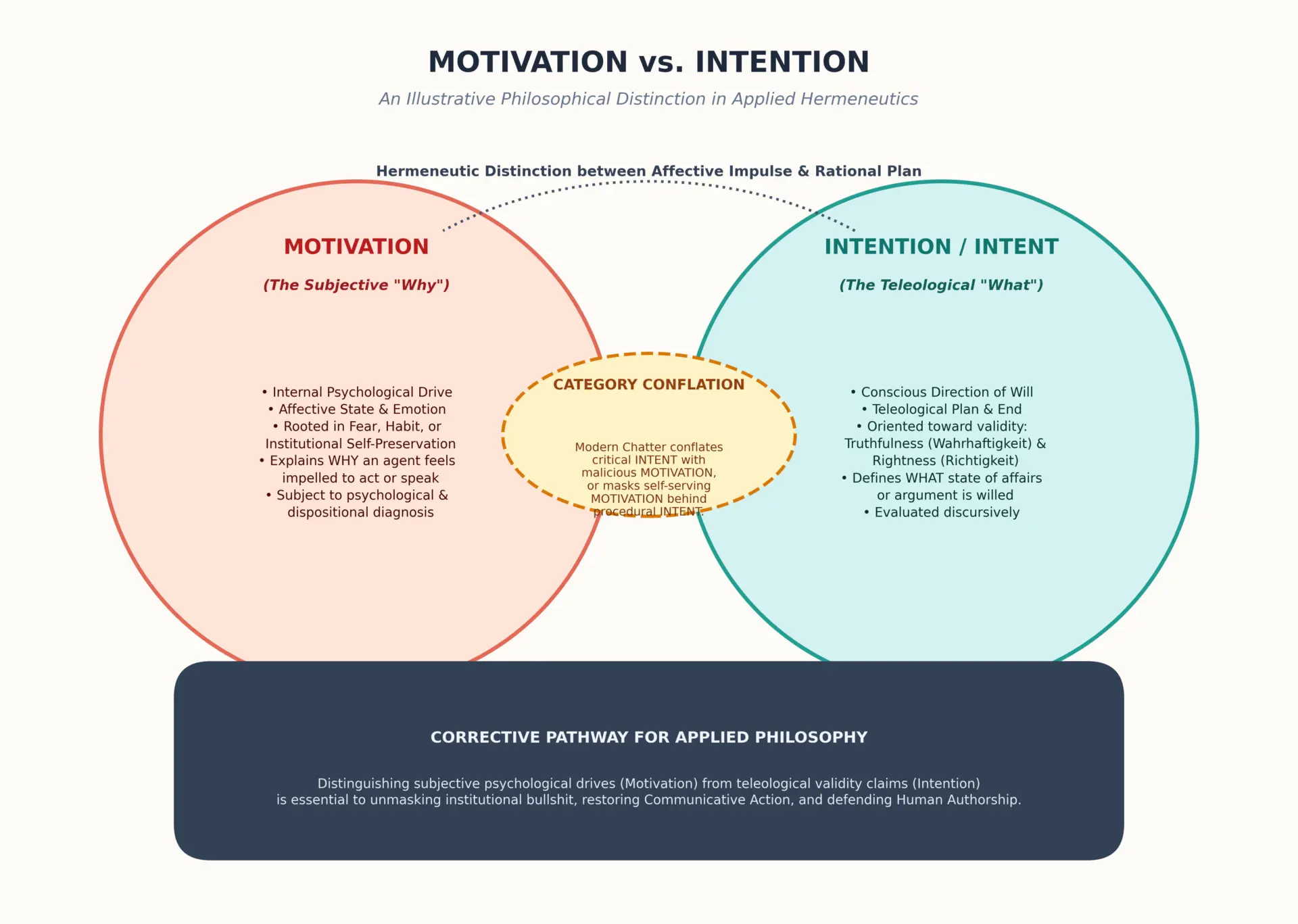
Figure 2. motivation-intention-graph-v2 (apology but my artefact intelligent tool is losing its edge, but there is improvement)
- Motivation: Refers to the underlying psychological, affective, or dispositional drive that prompts an agent toward action (Williams 1981, p. 102; Weber 1927, p. 55). Motivations are internal states—such as fear, ressentiment, institutional self-preservation, or professional jealousy—that explain why an individual feels impelled to speak or act.
- Intention (or Intent): Refers to the deliberate, teleological direction of the will toward a specific, conceptualized end or plan of action (Anscombe 1957, p. 1; Aquinas ST I-II, q. 12, a. 1). Intention involves a commitment to an outcome and can be evaluated against communicative standards of truthfulness ( Wahrhaftigkeit ) and normative rightness ( Richtigkeit ) (Habermas 1979, p. 3).
In institutional attacks on independent thinkers, critics routinely conflate these two concepts. They attribute dishonest motivation (such as personal malice or arrogance) to what is actually a deliberate critical intent (the philosophical unmasking of systemic institutional failures). Conversely, the critics themselves often act out of a dishonest or unreflective motivation—defending bureaucratic power structures—while hiding behind a pretended normative intent of enforcing standard academic rules (Applied Philosophy Against Policy Instrumentalism, p. 140).
3. Misunderstanding and the Dynamic of Cognition (DoC)
The phenomenon of misunderstanding is directly explained by Dr Buch’s Dynamic of Cognition (DoC) matrix, which tracks how thought moves—or stagnates—across five structural components (Buch 2025a, p. 1; Buch 2025c, p. 142).
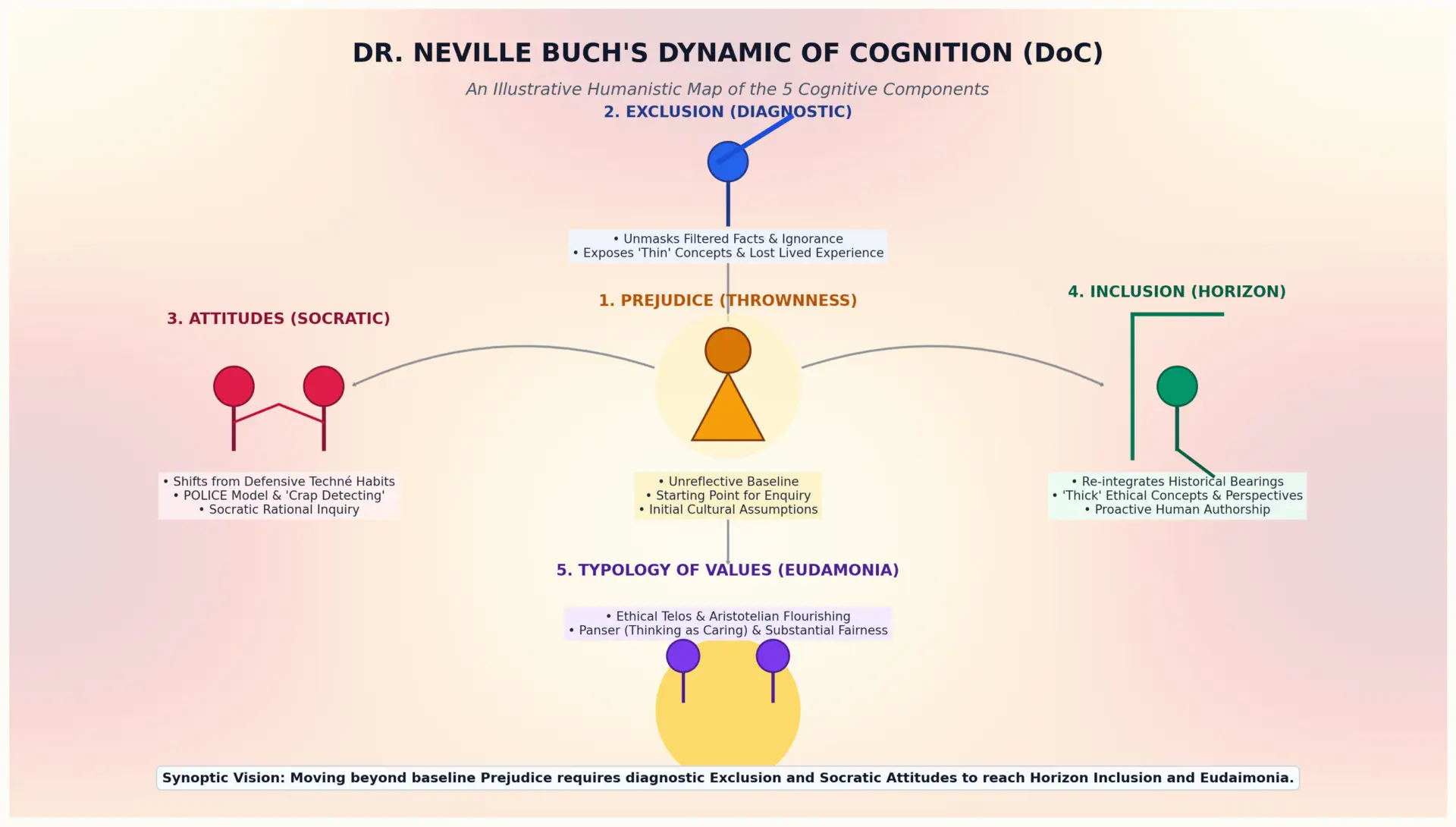
Figure 3. dynamic-of-cognition-graph-v3 (my artefact intelligent tool is losing its edge, but there is improvement)
| DoC Component | Pathological Stagnation (Misunderstanding) | Corrective Philosophical Ascent |
| Prejudice (Centre) | Hardened Dogma: Accepting institutional rules as unexamined, natural facts (“thrownness”). | Socratic Reflection: Recognizing prejudice as an initial, revisable starting point. |
| Exclusion (Sensation) | Wilful Ignorance: Systematically filtering out historical particulars and lived experience. | Synoptic Vision: Incorporating excluded contexts and “thick” ethical concepts. |
| Attitudes (Thinking) | Denoetization: Automatic, defensive habits that treat critique as a “category error.” | Communicative Action: Engaging in rational-critical dialogue and open debate. |
| Inclusion (Intuition) | Manufactured Myths: Internalizing only data that confirms a single, dominant worldview. | Fusion of Horizons: Internalizing the perspective of “The Other” and historical contingency. |
| Typology of Value (Feeling) | Instrumental Utility: Valuing research solely for short-term compliance or economic profit. | Aristotelian Flourishing ( Eudaimonia ): Re-anchoring value in human dignity and truthfulness. |
- Prejudice as the Closed Loop: Misunderstanding begins in Prejudice, the baseline state into which an individual is “thrown into the world” (Heidegger, cited in Buch 2025a, p. 1). When uncorrected, prejudice settles into a closed loop where the conventional thinker mistakes their narrow institutional norms for universal truth (Buch 2025c, p. 143).
- Exclusion and the Analytical Abyss: Misunderstanding operates through Exclusion—the deliberate or habitual filtering out of complex, contextual information. This generates an “Analytical Abyss” or specialized ignorance, where critics evaluate scholarship using “thin,” decontextualized formalisms while remaining blind to the historical particulars of the case (Buch 2025e, p. 378).
- Attitudes as Defensive Rationalization: In the DoC, Attitudes are durable organizations of cognitive and emotive motivations that drive action (Buch 2025a, p. 3). When confronted with challenging scholarship, institutional actors adopt defensive, dogmatic attitudes, deploying Modern Chatter as a “technology of rhetorical defence” to protect their bureaucratic comfort zone (A Critique of New Atheism, cited in Buch 2024, p. 510).
- Inclusion and Typologies of Value: Overcoming misunderstanding requires moving through Inclusion—expanding one’s “Horizon Worldview” to empathy and historical context—and re-evaluating one’s Typology of Values away from technical utility toward Aristotelian flourishing ( eudaimonia ) and Sufficient Comprehension (Buch 2025a, p. 2; Williams 1985, p. 198).
4. Why This Message Is Important: Reclaiming Human Authorship
The message embedded in this critique is of vital importance for contemporary intellectual life, higher education, and public policy for three reasons:
I. Defending the Role of the Public Intellectual
Modern academic institutions, increasingly steered by neoliberal metrics and “rates, roads, and rubbish” pragmatism, actively marginalize radical, interdisciplinary critique (Public Ignorance, Resistance, or a Hidden Curriculum, p. 302). Exposing how Modern Chatter distorts critical scholarship is necessary to protect the independent public intellectual from bureaucratic gatekeeping and character assassination.
II. Unmasking Technocratic Denoetization
When society loses the ability to distinguish between context and general rule application, it falls into “denoetization”—the mechanical liquidation of human judgment by automated systems, algorithms, and administrative procedures (Stiegler 2014, cited in Buch 2025f, p. 45). Restoring the centrality of context ensures that technical systems remain tools operated by human beings, rather than systems that reduce human beings to data points.
III. Reclaiming Human Authorship over Social Narratives
Ultimately, as Dr Buch’s work demonstrates, “understanding history is philosophy in practice” (Buch 2025a, p. 115). By applying the POLICE model (Philosophically Ontology Logic Intersect Compatibility Education) to detect institutional bullshit, society can break free from the “spiral theory of stupidity” and the “vicious circles of historical forgetfulness” (Buch 2024a, p. 1; A Spectrum of Belief, p. 130). Re-establishing the primacy of context and communicative truthfulness restores human authorship, ensuring that individuals and communities remain the proactive creators of their collective destiny.
Bibliography
Anscombe, G. E. M. (1957). Intention. Oxford: Basil Blackwell.
Aquinas, T. (1225–1274/1948). Summa Theologiae (English Dominican Province, Trans.). New York: Benziger Brothers.
Buch, N. (2024a). Spiral Historiography: 1. Widely-Believed Falsehood, 2. Accountability, 3. Falsehood Retreats, 4. Historical Forgetfulness. Brisbane: Dr Neville Buch ABN: 86703686642.
Buch, N. (2024b). Applied Philosophy Against Policy Instrumentalism. [Markdown Document]. Brisbane: Dr Neville Buch ABN: 86703686642.
Buch, N. (2025a). The Dynamic of Cognition. [Unpublished Teaching Paper]. Brisbane: Dr Neville Buch ABN: 86703686642.
Buch, N. (2025b). The Authority of Instrumentalism. Brisbane: Dr Neville Buch ABN: 86703686642.
Buch, N. (2025c). Architecture of the Horizon: Navigating the Dynamic of Cognition. [Markdown Document]. Brisbane: Dr Neville Buch ABN: 86703686642.
Buch, N. (2025d). Lebensphilosophie 1870–2025. Brisbane: Dr Neville Buch ABN: 86703686642.
Buch, N. (2025e). The Cognitive Barrier of Prejudice. [Unpublished Paper]. Brisbane: Dr Neville Buch ABN: 86703686642.
Buch, N. (2025f). Stiegler, Noddings, Williams: Ending the Immense Regression. Brisbane: Management Institute for Contributory Economy.
Buch, N. (2026a). A Matrix of Sociology. Brisbane: Management Institute for Contributory Economy.
Buch, N. (2026b). A Spectrum of Belief: Socio-Political Landscape. Brisbane: Management Institute for Contributory Economy.
Ellul, J. (1973). Propaganda: The Formation of Men’s Attitudes (K. Kellen & J. Lerner, Trans.). New York: Alfred A. Knopf.
Frankfurt, H. G. (2005). On Bullshit. Princeton: Princeton University Press.
Habermas, J. (1979). Communication and the Evolution of Society (T. McCarthy, Trans.). Boston: Beacon Press.
Ringma, C. (1991). Gadamer’s Dialogical Hermeneutic (THE7485). Brisbane: Theological Studies Paper.
Toulmin, S. (1990). Cosmopolis: The Hidden Agenda of Modernity. Chicago: University of Chicago Press.
Weber, M. (1927). General Economic History (F. H. Knight, Trans.). New York: Greenberg.
Wikipedia. (2026a). Context. [Online PDF Source]. Wikipedia Foundation.
Wikipedia. (2026b). Chattering Classes. [Online PDF Source]. Wikipedia Foundation.
Williams, B. (1981). Moral Luck: Philosophical Papers 1973–1980. Cambridge: Cambridge University Press.
Williams, B. (1985). Ethics and the Limits of Philosophy. London: Fontana Press.
Take the MICE Quiz


Neville Buch
Latest posts by Neville Buch (see all)
- Re: Rankings, Personalism and History – September 30, 2026
- Review Essay: A Critique of Visibility, Material History, Cognitive Dynamics, and the Authorship of Memory – September 30, 2026
- Compassionate Comprehension vs. Toxic Empathy: A Critique of Contextual and Political Cognitive Failures – September 30, 2026