
Professional Historian and History Consultancy Services Brisbane
Category: Essay for Social Change
-
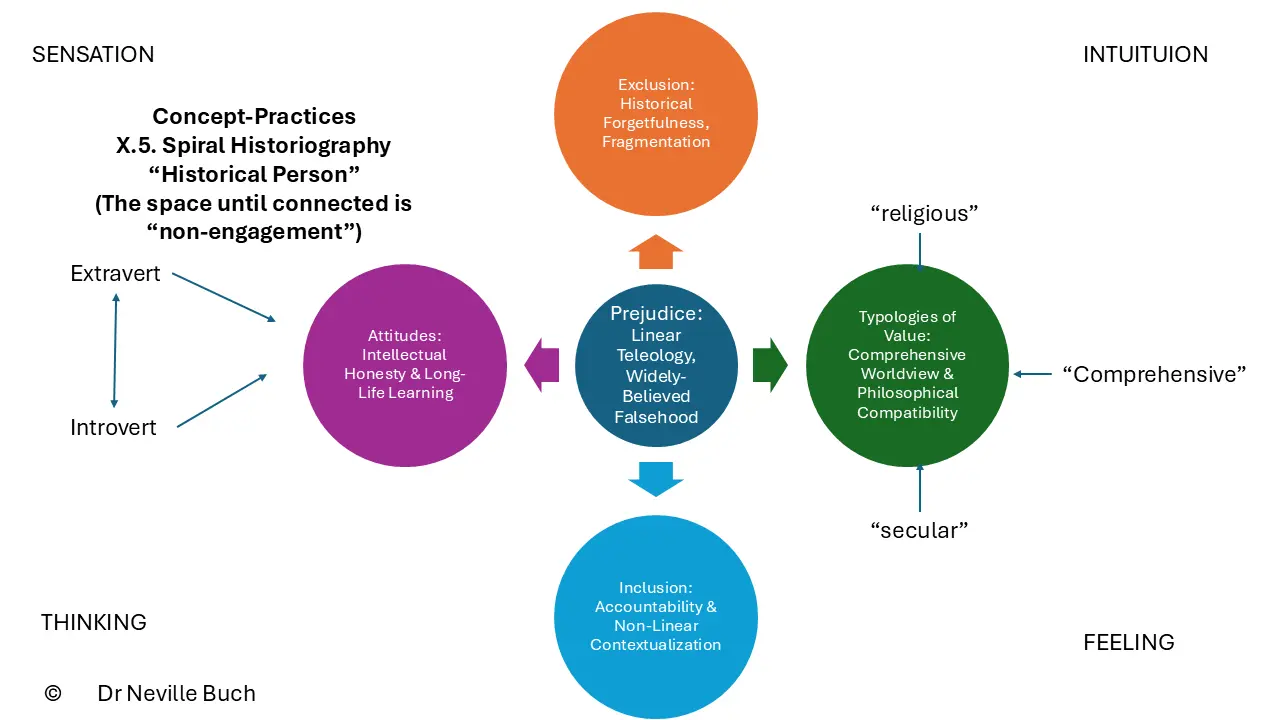
The lessons from Joshua Kyle T. Rovero’s The Perennialist (2026)
Abstract This review essay offers a friendly, constructive analysis of Joshua Kyle T. Rovero’s The Perennialist (2026), evaluating its ambitious attempt to re-enchant modern thought by synthesizing Eastern and Western sacred traditions with Heideggerian ontology. Through the analytical lens of Bernard Williams’s Ethics and the Limits of Philosophy and Dr. Neville Buch’s framework of Spiral…
-
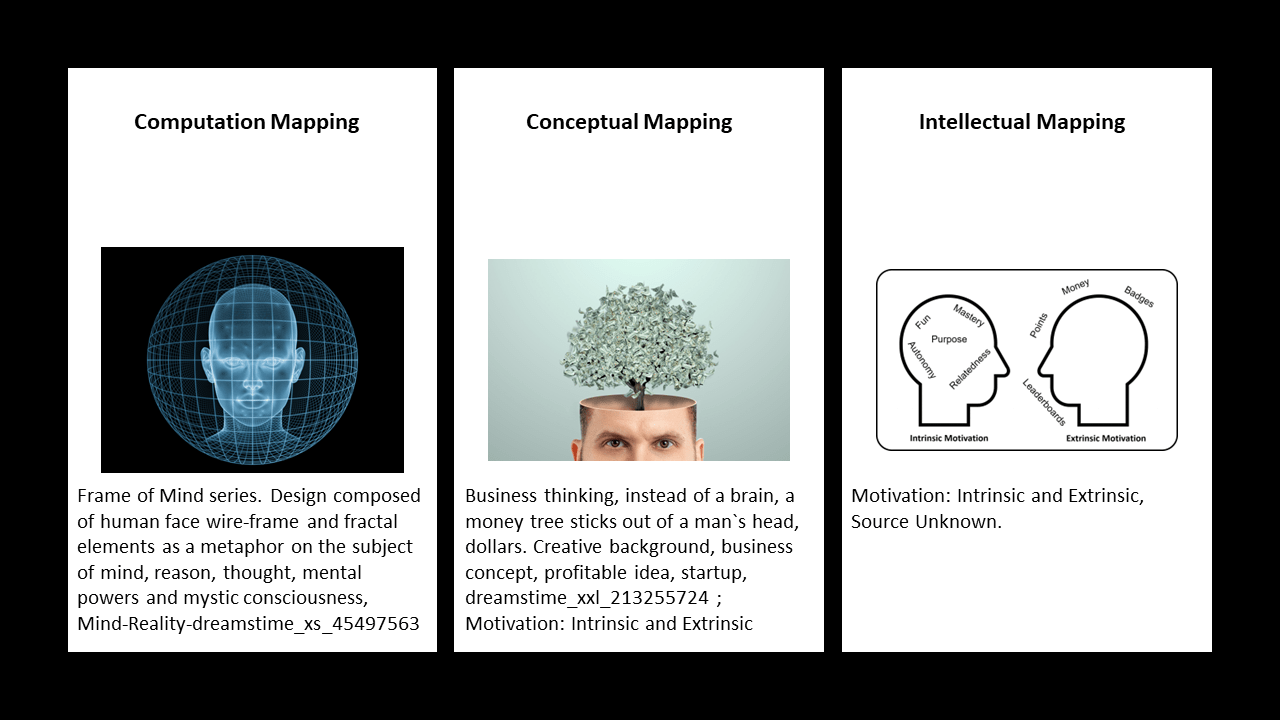
Spelling it Out: Human Authorship, the Dynamic of Cognition, and the MICE Agenda
Abstract This essay presents a comprehensive expansion of Dr. Neville Buch’s 2026 paper, “Spelling it Out,” examining its foundational role as a non-artificial intellectual treatise and its alignment with the agenda of the Management Institute for Contributory Economy (MICE). Grounded in the premise that “understanding history is philosophy in practice,” the essay deconstructs the mechanisms…
-
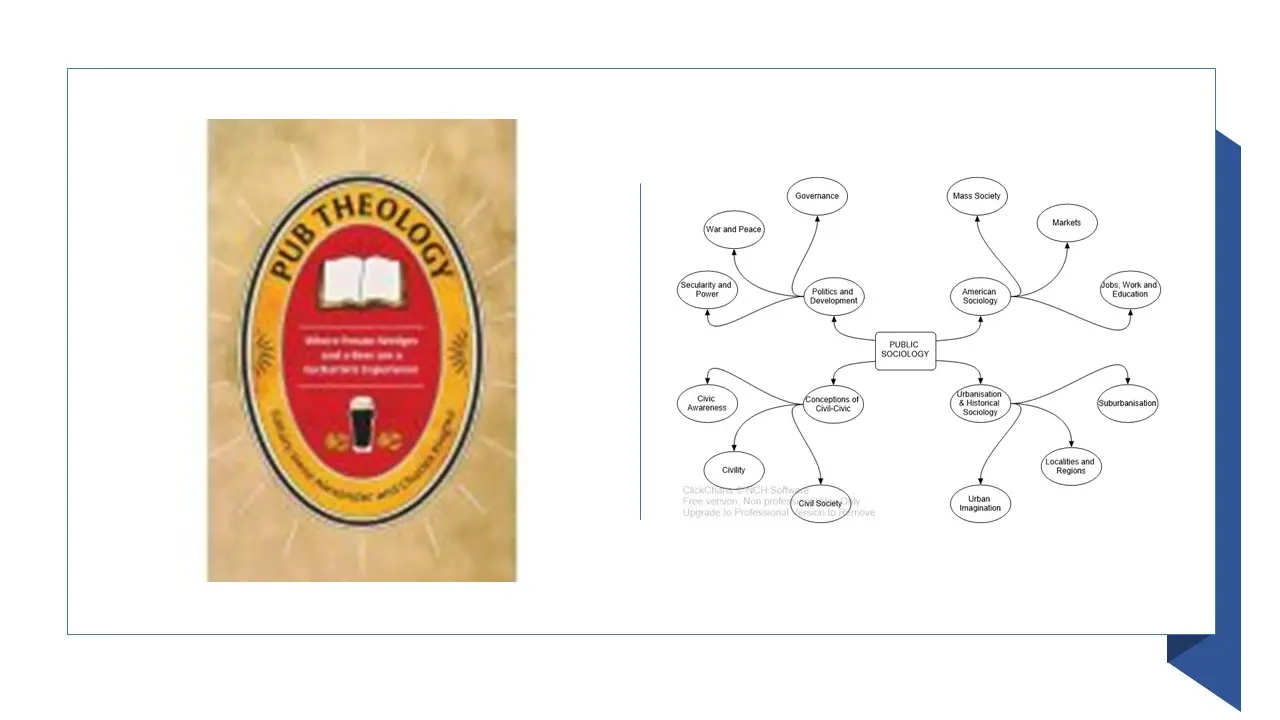
The Contemporary Revolution in Political Theology: From Sovereign Decisionism to Organological Judgment
Featured Image: Theology-and-Sociology
-

The Architecture of Intellectual Renewal: A Comprehensive Analysis of the 131 Influencers on Dr. Neville Buch’s Work
Abstract This is a Modern History Curriculum Package and essay, an exhaustive, source-grounded analysis of the 131 foundational thinkers catalogued in Dr. Neville Buch’s formal document, List of Influencers on Dr Buch’s Work. Operating across two primary epochal groupings—Contemporary and Old 20th Century—and spanning disciplines including Anthropology, Australian and Regional Historiography, Education, Ethics, Intellectual History,…
-
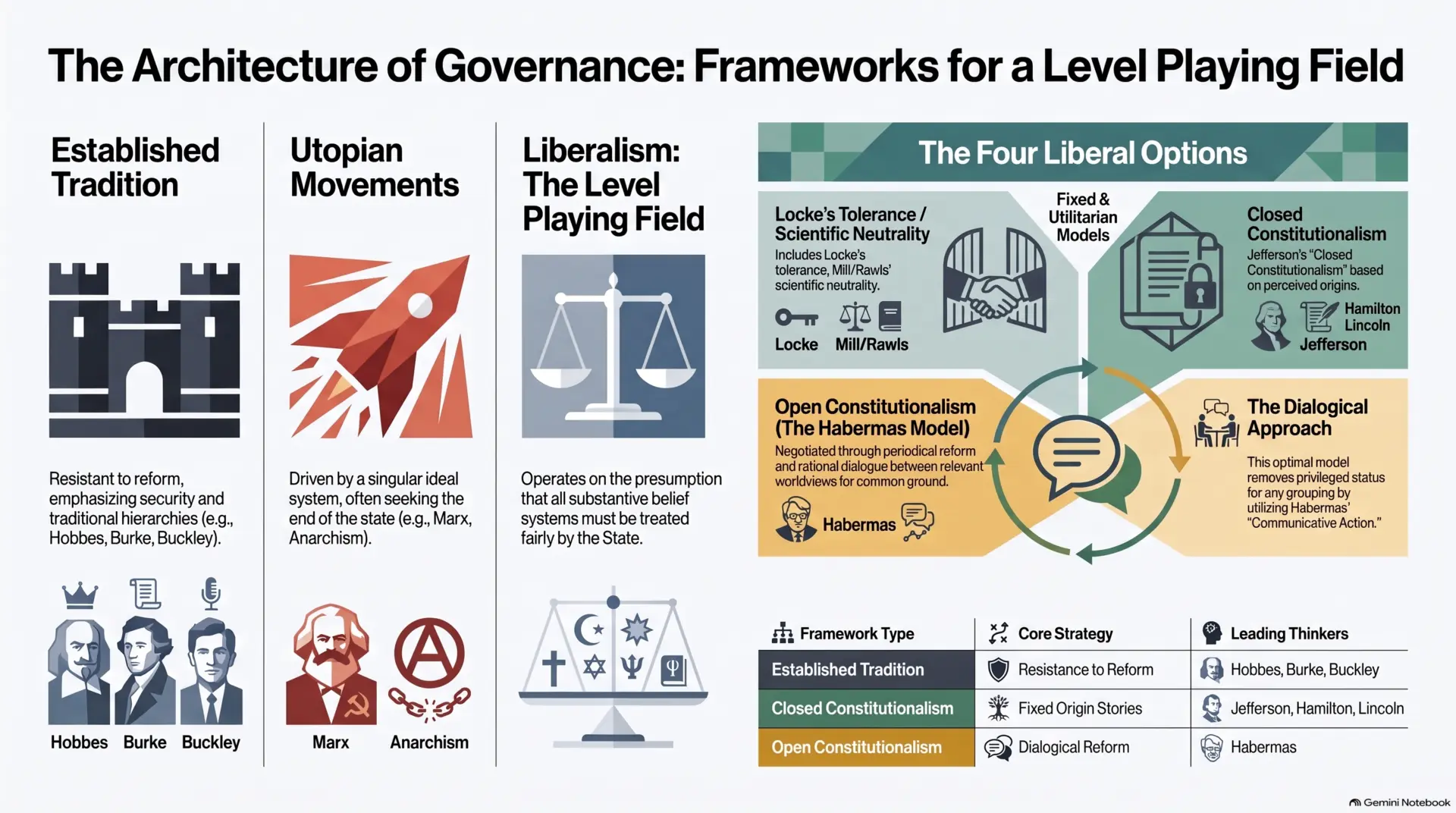
The Architecture of Reform and The Self-Defeating Spiral
https://www.academia.edu/175403989/The_Architecture_of_Reform_A_Comparative_Analysis_of_Political_Cognition_and_Policy_Intelligence_1950s_vs_2020s Political reform is fundamentally an ontological movement, navigating the subject from the state of Geworfenheit (thrownness) toward the restoration of human authorship. This analysis employs Dr. Neville Buch’s Dynamic of Cognition (DoC) to contrast the “thick” ethical knowledge of the 1950s with the “analytical abyss” of the 2020s. In the mid-20th century, reform was…
-
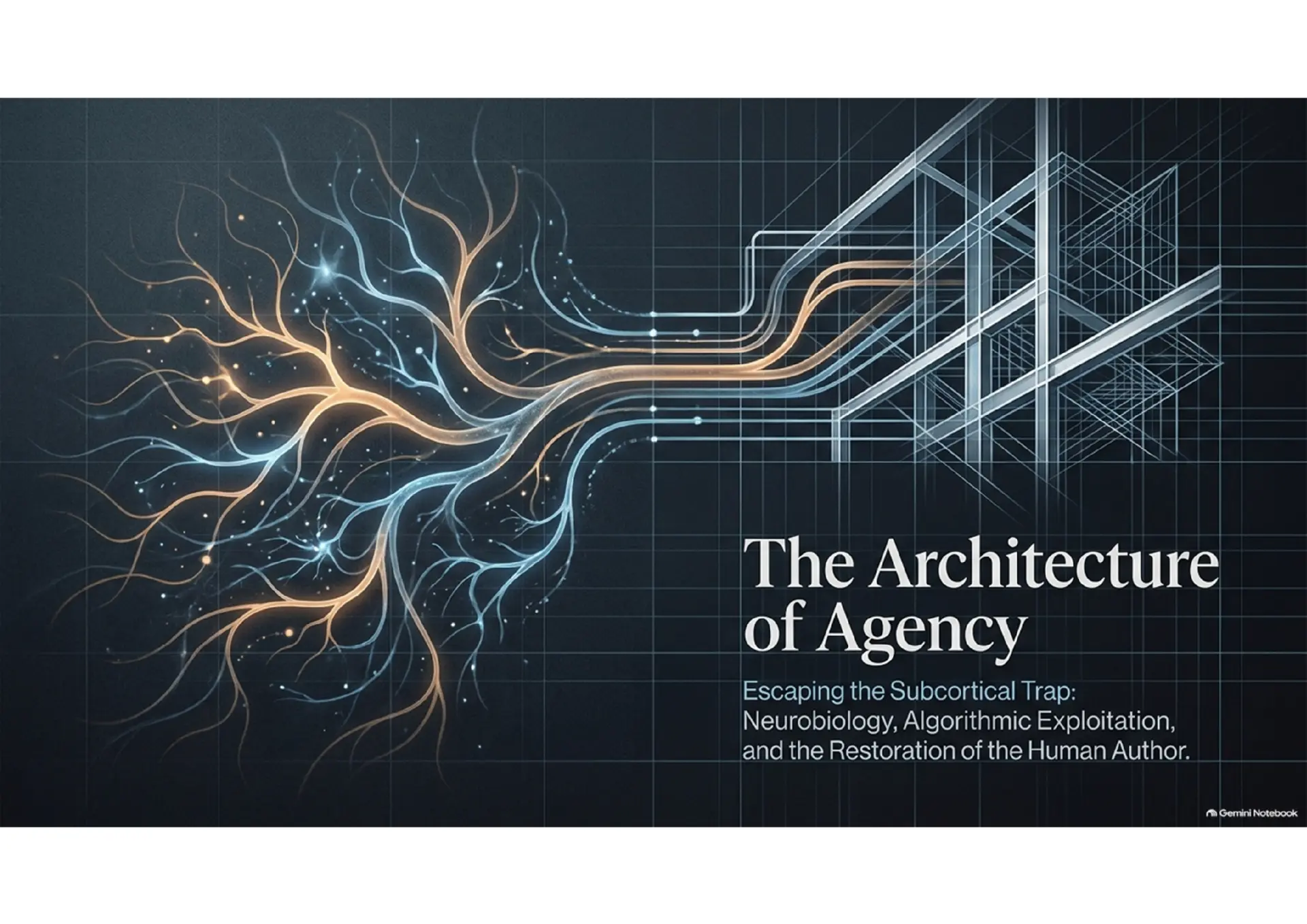
The Neuro-Philosophy of Belief and Doubt: Synthesizing Credition, False Tagging, and Uncertainty Reduction within the Dynamic of Cognition
Dr Neville Buch and MICE[1] Image Posters and PowerPoint are available through the Management Institute for Contributory Economy: email [email protected] Abstract This essay constructs a neuro-philosophical synthesis between recent empirical discoveries in cognitive neuroscience—specifically Hans-Ferdinand Angel and Rüdiger J. Seitz’s (2024) theory of credition, Erik Asp et al.’s (2012) False Tagging Theory (FTT) of ventromedial…
-
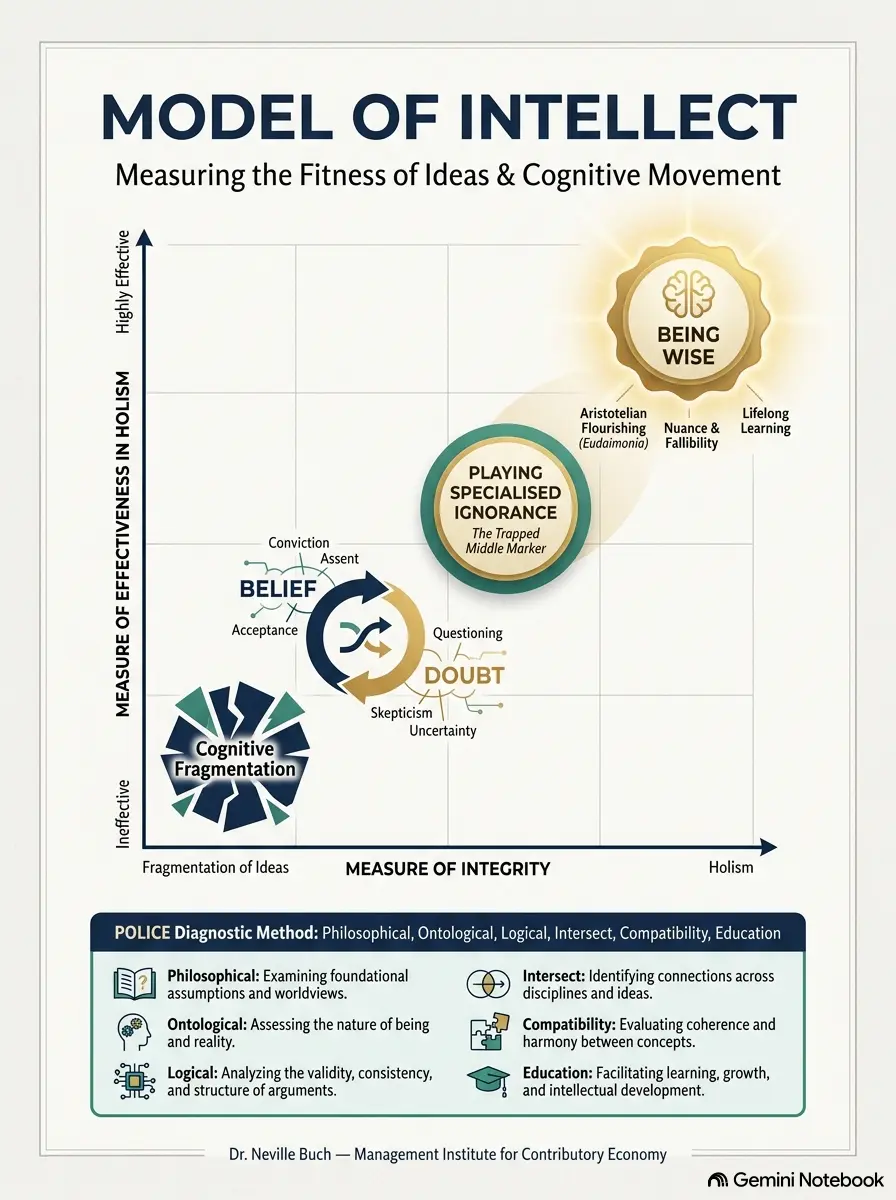
Model of Intellect
Dr Neville Buch[1] Abstract A model of intellect “measure” in the “fitness” of big ideas together, and the big ideas including their own measure of “doubt”. The measure is not strictly mathematical; it has no count. The measure is of vision and imagination. Fitness is the “movement” in compatibility. Fitness is always challenged in lifelong…
-
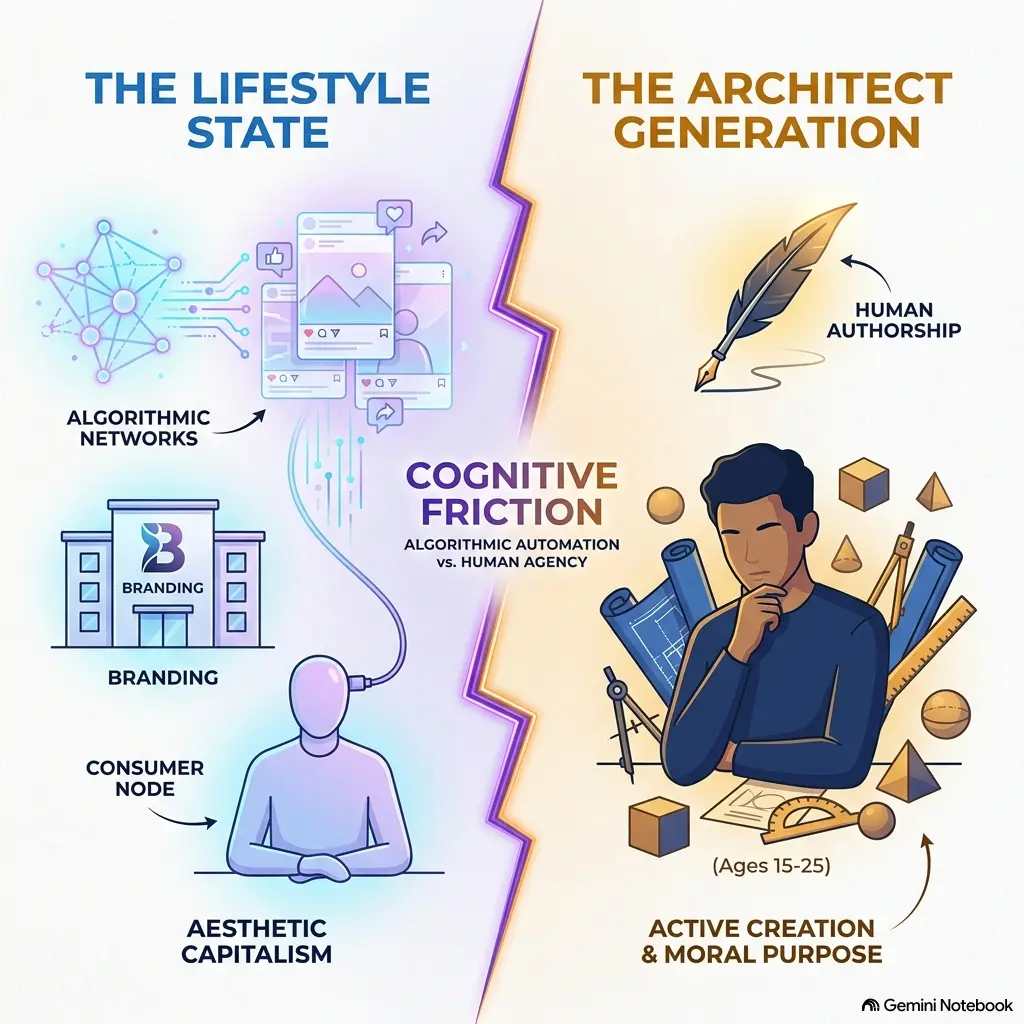
Experience versus Market: Bevin Luchel’s Polemics and Kåre S. Fuglseth’s Phenomenological Education
Abstract This essay presents a comparative critical analysis of Bevin Luchel’s (2026a, 2026b, 2026c) series of market-reductionist polemics—The Desperation of Derivation, The Illusion of the Non Market Panacea, and The Mirage of the Subsidized Mind—against Kåre S. Fuglseth’s (2026) phenomenological framework of educational values and virtues. We demonstrate that Luchel’s reliance on Carl Menger’s subjective…
-

Grounding Comprehensive Education: A Phenomenological Approach to Place, Environment, and Architecture
Dr Neville Buch and MICE in reference to David Seamon’s (2000)[1] Abstract This essay explores the potential of incorporating David Seamon’s (2000) environmental and architectural phenomenology into Dr. Neville Buch’s framework of Comprehensive Education. We examine how phenomenology, as a “radical empiricism” that treats person and environment as an “indivisible whole” (Seamon 2000, p. 3),…
-

The Cynicism of the Market: Foundherentism, Contributory Economy, and the Subversion of Luchel’s Rent-Seeking Epistemology
Abstract This critical reply essay deconstructs Bevin Luchel’s The Subsidised Imagination: A Critique of Rent-Seeking Epistemology in Buch’s The Crucible of Consciousness (2026). It demonstrates that Luchel’s deployment of public choice theory and subjective value theory constitutes a profound category error and a form of “vulgar pragmatism.” By reducing the value of intellectual labour to…